Join the Post to visit the streets on June 21 & 22
Caroline McLean, known to all simply as Carrie, married William Worthington Chipman in 1857. They lived in a “knock-down house” brought across San Francisco Bay and reassembled in the little Town of Alameda. By 1860, Caroline convinced her frustrated husband to move back to San Francisco, after a surveyor botched his job of properly laying out the town, squatters were stealing his land, and thieves had helped themselves to 400 of his fruit trees.
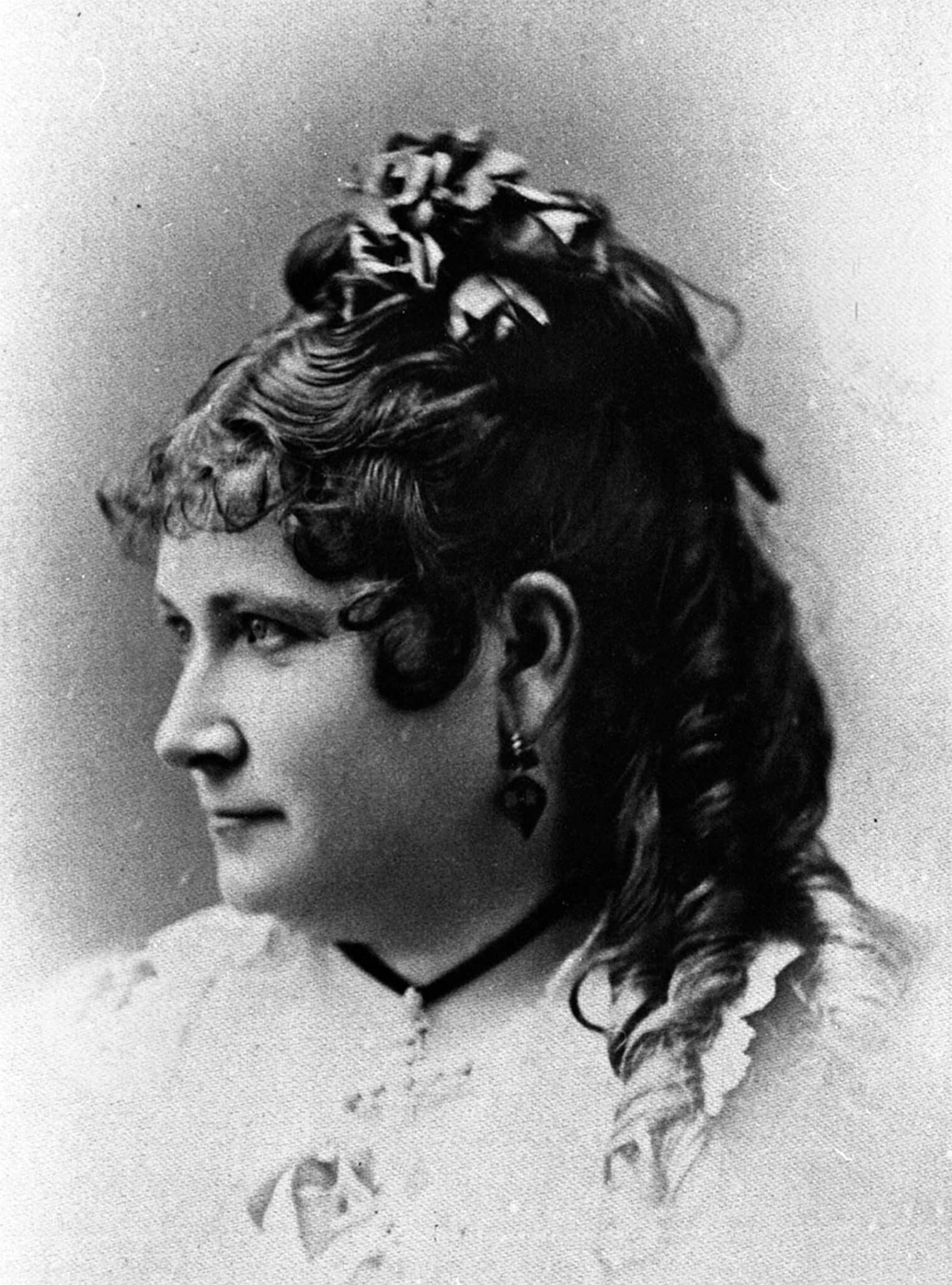
Carrie’s family lived in San Francisco, where her father was a successful merchant. Carrie and William found a home on the part of Greenwich Street that climbed Telegraph Hill. They raised five children there—Lizzie, Alice, William, Sheridan, and Fannie. William and his brother Edward opened a law firm. Edward lived with William’s family at 572 Greenwich Street.
William and Edward had their office at No. 17 Exchange Building, the Merchants Exchange Building on California Street that survived the 1906 earthquake. William would return time and again to Alameda to tend to his trees and crops. He gave up on Alameda after finding himself swamped with filing lawsuits against squatters who had stolen his land.
William died in 1873. Carrie was still living on Greenwich Street in 1879, when she met John Dwinelle, a very influential attorney. John’s wife Cornelia had also passed away in 1873. John and Carrie were married in 1879. They lived on Second Street on fashionable Rincon Hill.
Dwinelle had an interesting political career. He served as the City Attorney in Rochester, New York. He was a ’49er who sat on San Francisco’s City Council. In the 1860s he had lived in Oakland, where he served as Mayor. He also sat in the State Assembly, where he introduced the bill that created the University of California.
Sadly, Dwinelle drowned in the Carquinez Strait at Port Costa in 1881. He was running to catch a ferry, lost his balance on the wharf, and fell into the strait. Three years after his death, Carrie decided to move back to Alameda. She had a house built for her family on a road that she would later name Weber Street.
Carrie realized how “real estate rich” she was. The Chipman family still owned land all around the Alameda peninsula and her son “Willie” had expressed an interest in developing some of that property. Emil Kower also spoke to Carrie about developing land that he owned near her home.
In 1892, the Alameda, Oakland & Piedmont Railway approached Kower about obtaining a right-of-way through his property. They wanted to run their newly electrified streetcars westbound through the peninsula on San Jose Avenue to Benton Street at what later became Franklin Park. The cars would turn left on Kings Avenue (today’s San Antonio Avenue) and run through Kower’s property to McPherson Street (today’s Ninth Street) and on to Santa Clara Avenue.
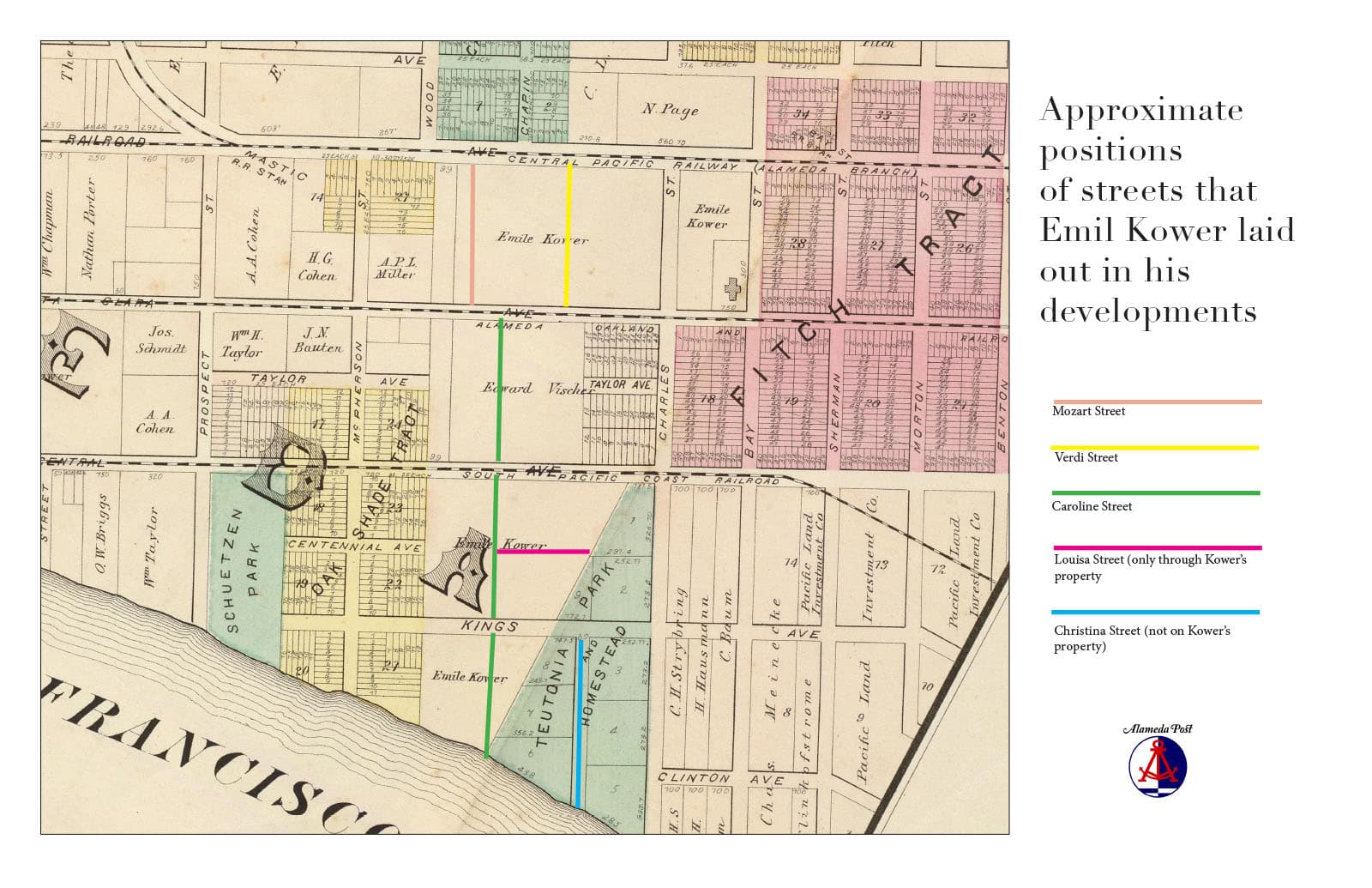
Kower saw the coming of the streetcars as an opportunity to develop two parcels of his property. He and Carrie decided to call the land south of Central Avenue “Encinal Park.” He created a street that he christened Louisa Street and took an unnamed street under his control in the old Teutonia Park & Homestead, naming it Christina Street.
Kower also ran a new street from the Bay shore north to his second tract across Santa Clara Avenue. He named this one Caroline Street for Carrie. He then cut two streets north of Santa Clara to the Central Pacific Railroad tracks. He had named three streets, so he turned to Carrie and asked her to name three streets. She thought of her favorite composers. She named the street where she lived for Karl Maria von Weber. She remembered Wolfgang Amadeus Mozart and Giuseppe Verdi in naming the streets north of Santa Clara Avenue.
The eastern end of Louisa Street did not belong to Kower, nor did the property at Christina Street. Perhaps this is why these were renamed Fair Oaks Avenue and Hawthorne Street respectively. Perhaps Kower’s wife, Johanna, had a say in renaming these streets.
Encinal Park lost its identity. Today it lies on the western end of the Gold Coast.
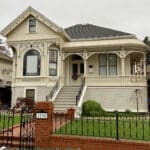
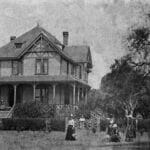
Weber Street became a Chipman and Dwinelle family street. Carrie lived out her days on that street. In 1896, Marcuse & Remmel built a home for her daughter Alice Chipman at 1282 Weber Street. Alice never married. She died in 1911.
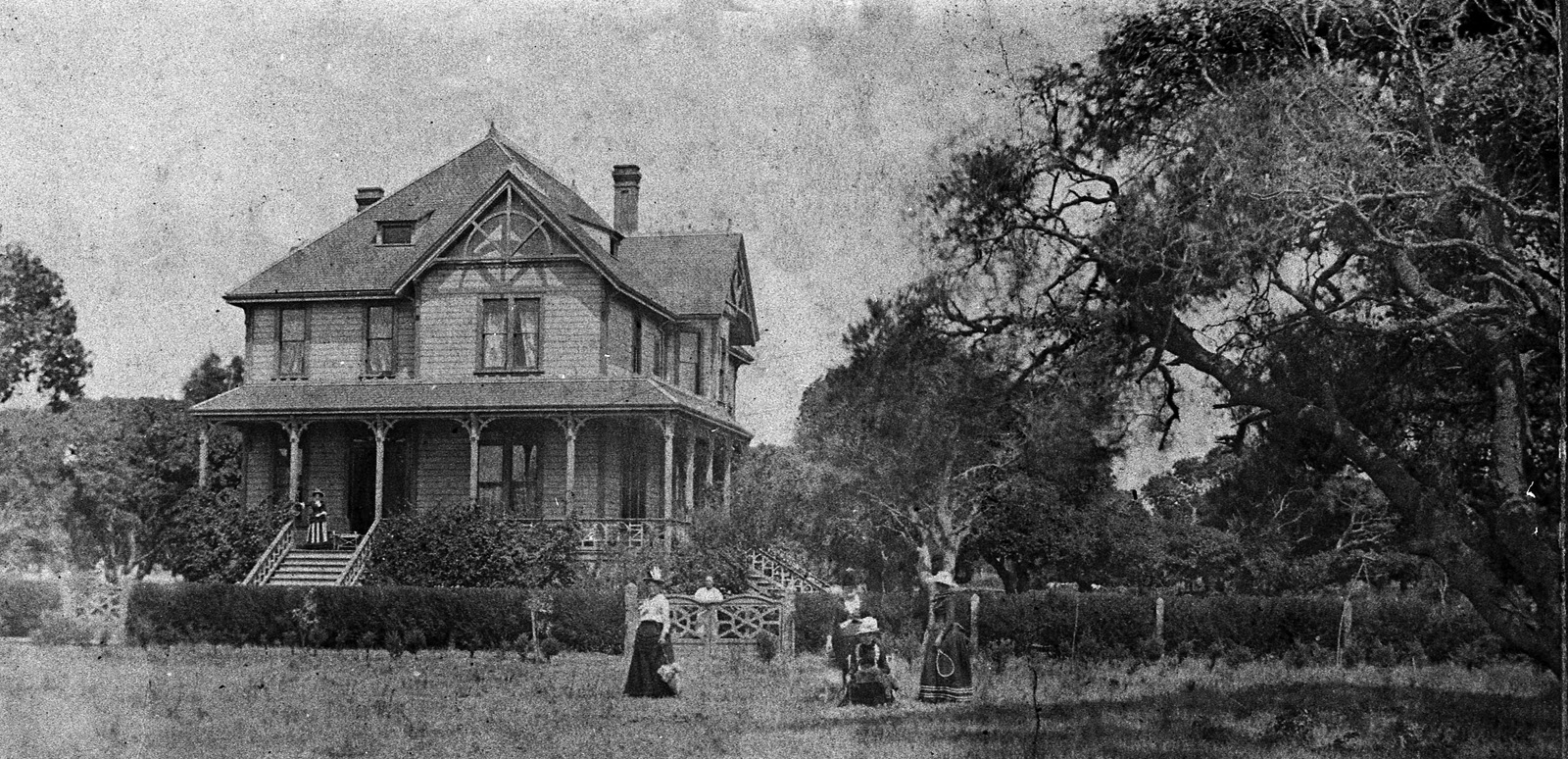
Caroline’s son, William Farragut “Willie” Chipman, married Bernice Harrell and they lived at 1290 Weber Street. Willie developed some of the family’s property and served as police and fire commissioner. Caroline’s daughter, Fanny Chipman, lived at 1270 Weber Street—now the site of 1272 Weber Street—where Caroline had passed away after suffering a stroke on April 16, 1912. Caroline’s father, Edward MacLean, also had died in this home, in 1890. Caroline’s second son, Sheridan, suffered a sad fate—he was murdered in San Francisco.
We visited Encinal Park on a previous walking tour. On our June 21-22 tour, we will see the blossoming of the Queen Anne style on Mozart and Verdi streets and will look for all the features of this style using our handout as a “cheat sheet.” We will meet Felix Marcuse and Julius Remmel again. We’ll see the home that Felix lived in and one that Julius’ younger brother Bert had a hand in designing. We’ll also see a Denis Staub creation, learn the sad story of the house that Henry Mohns designed and built. We’ll meet A. R. Denke and see some of his designs.
And if you can’t get enough, I (Dennis) will be speaking about Denis Straub and his interesting stepsons, Joseph Leonard, lumberman Abram Rich, and even more Marcuse & Remmel. The talk will take place this Saturday, June 21, at 2:30 p.m., at the Alameda Museum, 2324 Alameda Avenue.
Dennis Evanosky is the award-winning Historian of the Alameda Post. Reach him at [email protected]. His writing is collected at AlamedaPost.com/Dennis-Evanosky.
