A. A. Cohen’s family were plagued by pirates and scandals but greatly profited from owning enslaved people.
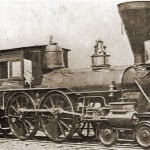
Alfred Andrew Cohen profited handsomely from the San Francisco & Alameda Railroad that he built through Alameda in 1864. By 1868 he also owned the San Francisco & Oakland, which he had purchased from his uncle Rodman Gibbons. He then convinced one of the Central Pacific Railroad’s Big Four, Leland Stanford, not to run the transcontinental railroad through San Jose to San Francisco.
He persuaded Stanford to use the railroads that he and his uncle had created. This made Cohen a man wealthy enough to build a home that even another member of the Big Four, Mark Hopkins, envied.
But, this did not mark the first time that the Cohen family enjoyed great wealth. His family hailed from London. Andrew Alfred’s grandfather Hymen Cohen and great uncle Judah had made a fortune in the coffee trade in Jamaica.
Our railroad tycoon’s father, Jamaican-born Andrew Asher Cohen, joined his father and uncle in a business that depended on labor by enslaved people. Affairs were not going well. Hymen and Judah feared that they would soon lose everything. Talk was strengthening about the British abolishing slavery.
Pirates scuttle the Vittoria
Their first crisis arrived in the summer of 1822 on a voyage from Jamaica to Liverpool aboard the family’s ship, Vittoria, with the sighting of ship on the horizon. Pirates! The banditti boarded the Vittoria and helped themselves to the coffee and other valuable cargo aboard.
Likely for a handsome price, the pirates agreed to land the Cohens and the crew safely. However, they scuttled the Vittoria on a reef. The following summer the Cohens received word that the authorities in Havana, Cuba had captured Aaron Smith, the man accused of leading the pirates who robbed them and scuttled their ship. Authorities took Smith back to London in chains.
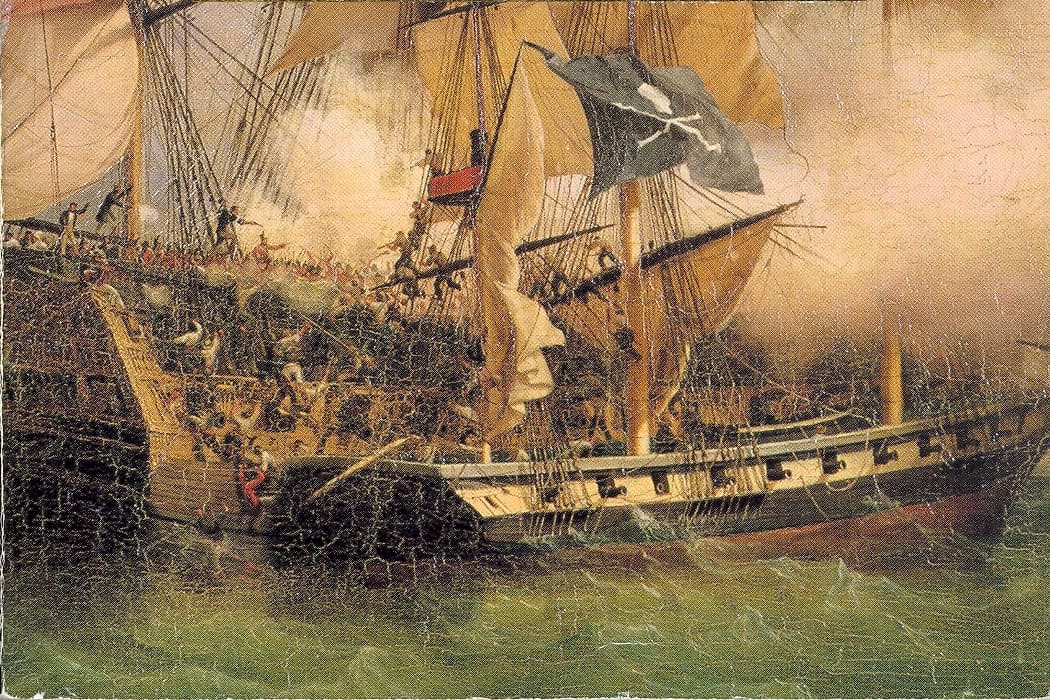
On December 19, 1823, he stood in the docket at the Old Bailey in London. He was answering to charges of the plundering the Vittoria on the high seas. Witnesses, including the Cohens, told the court that Smith had stolen the ship’s valuable cargo, which the owners valued at 30,000 pounds sterling.
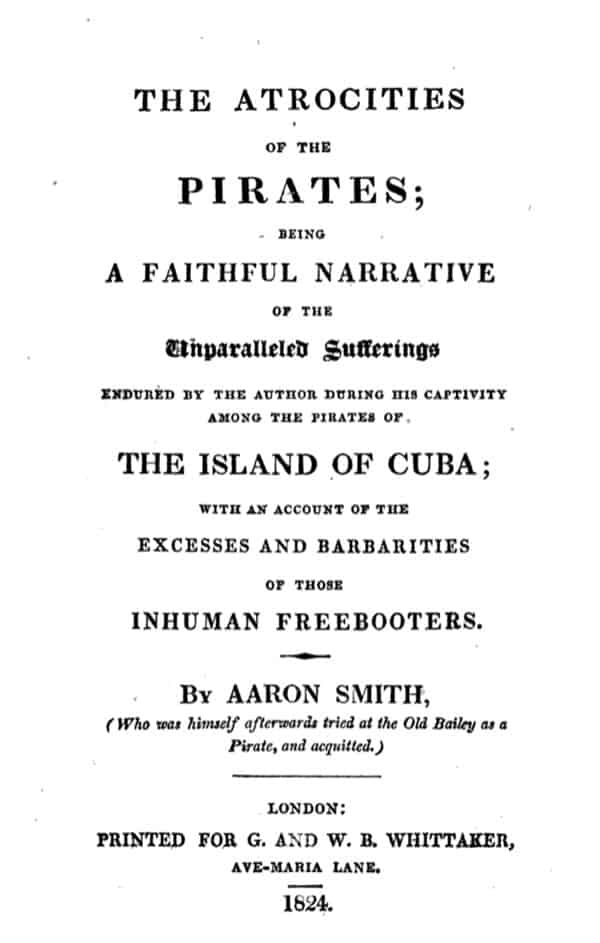
Smith pled innocence, claiming that he was simply following orders. Smith told the court that he was an unwilling agent. Witnesses stepped up to defend Smith. The judge took the defendant’s side. His summation convinced the jury. Smith walked away without having to reimburse the Cohens. The following year, Smith wrote a book The Atrocities of the Pirates: a Faithful Narrative of Unparalleled Sufferings during Captivity in Cuba. It’s doubtful that the Cohens purchased a copy.
Dennis Evanosky and the Alameda Post will take you through the East End’s Fernside neighborhood. They will show you where Alfred A. Cohen family’s homes once stood. Dennis will discuss the important role the family patriarch played in the arrival of the transcontinental railroad in Alameda. We’ll meet his wife Emilie Gibbons’ influential family as we trace the stories of both families’ presence in Alameda. When Emilie passed away in 1924 at the age of 91, the children sold the estate to developer Fred Wood. We will explore and learn how he created the Fernside we know today. Join us on Sunday, June 9 or Saturday, June 15. We will meet at the intersection of Lincoln and Versailles avenues at 10 a.m. and tickets are $20 each. Visit our Tours page for additional information.
The Slavery Abolition Act brings more riches
Ten years passed. Talk of abolishing slavery faded and the Cohens’ business flourished. They purchased another ship, this one named Thalia for the Greek Muse of poetry. But everything changed for the Cohens in 1832, when members of the House of Lords agreed to consider the Slavery Abolition Act.
They joined members of the House of Commons in putting the final touches to an act that many objected to, for good reason. The Slavery Abolition declared that those who were profiting immensely from the products of slavery, especially coffee and sugar, would continue to profit after releasing the enslaved from servitude. The act, which took effect on Aug. 1, 1834, declared that enslaved people were property, and the United Kingdom was obligated to reimburse the owners for releasing them.
Nathan Mayer Rothschild arranged a loan to the British government to compensate owners of enslaved people. The money began flowing to 40,000 owners of enslaved people after the Slave Compensation Act was passed on Dec. 23, 1837. Hymen and Judah Cohen received the equivalent of $2.2 million in 2022 dollars for the people they kept in servitude. The Rothschild bond, a lengthy and costly burden for the United Kingdom, was finally repaid in full 181 years later in 2015.
Alfred A. Cohen chooses California over Jamaica
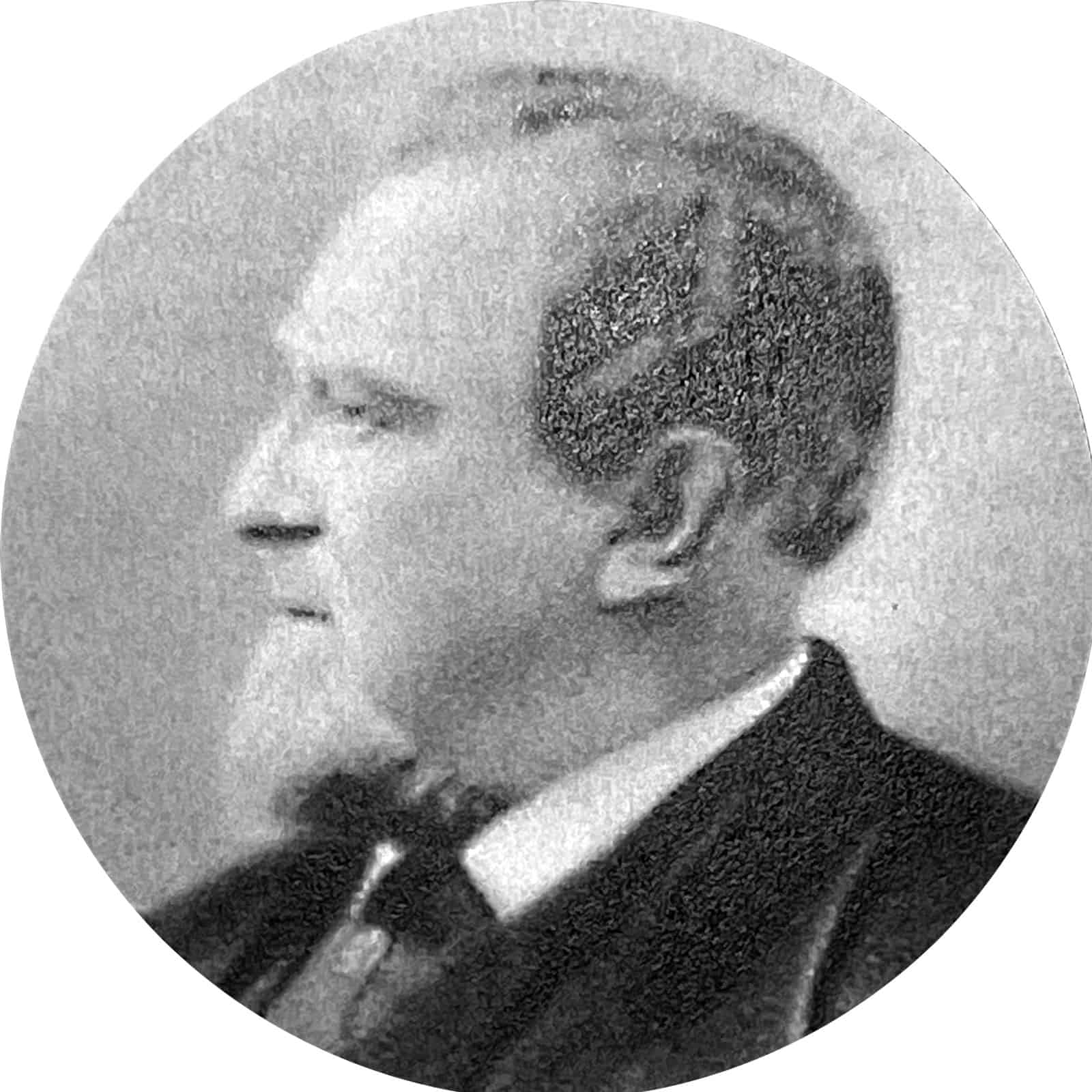
Alfred A. Cohen was four years old when King William IV gave the Act his Royal Assent. He was seven years old when Hymen and Judah received their “compensation” for their “property.” Hymen died in 1845. He left Albert’s parents 5,000 pounds in his will. Two years after he lost his grandfather, Albert decided to join his older brother Morris in Jamaica. He didn’t stay long.
The siren song of gold enticed him to come to California. Cohen went first to Sacramento, then to San Francisco. After doing some jail time for his role in a bank scandal, he sat for and passed his bar examination. He married Emilie Gibbons. In 1856, the couple moved to Alameda. The lived the rest of their lives on the family estate, Fernside.
Dennis Evanosky is the award-winning Historian of the Alameda Post. Reach him at [email protected]. His writing is collected at AlamedaPost.com/Dennis-Evanosky.
