Every day, emergency departments see patients who arrive with preventable injuries or illnesses. Some come in after falls, others because of minor illnesses that became serious, and many because of accidents at home or while commuting. While accidents do happen, doctors say there are simple, everyday steps that make a big difference in reducing the chances of ending up in the ER.
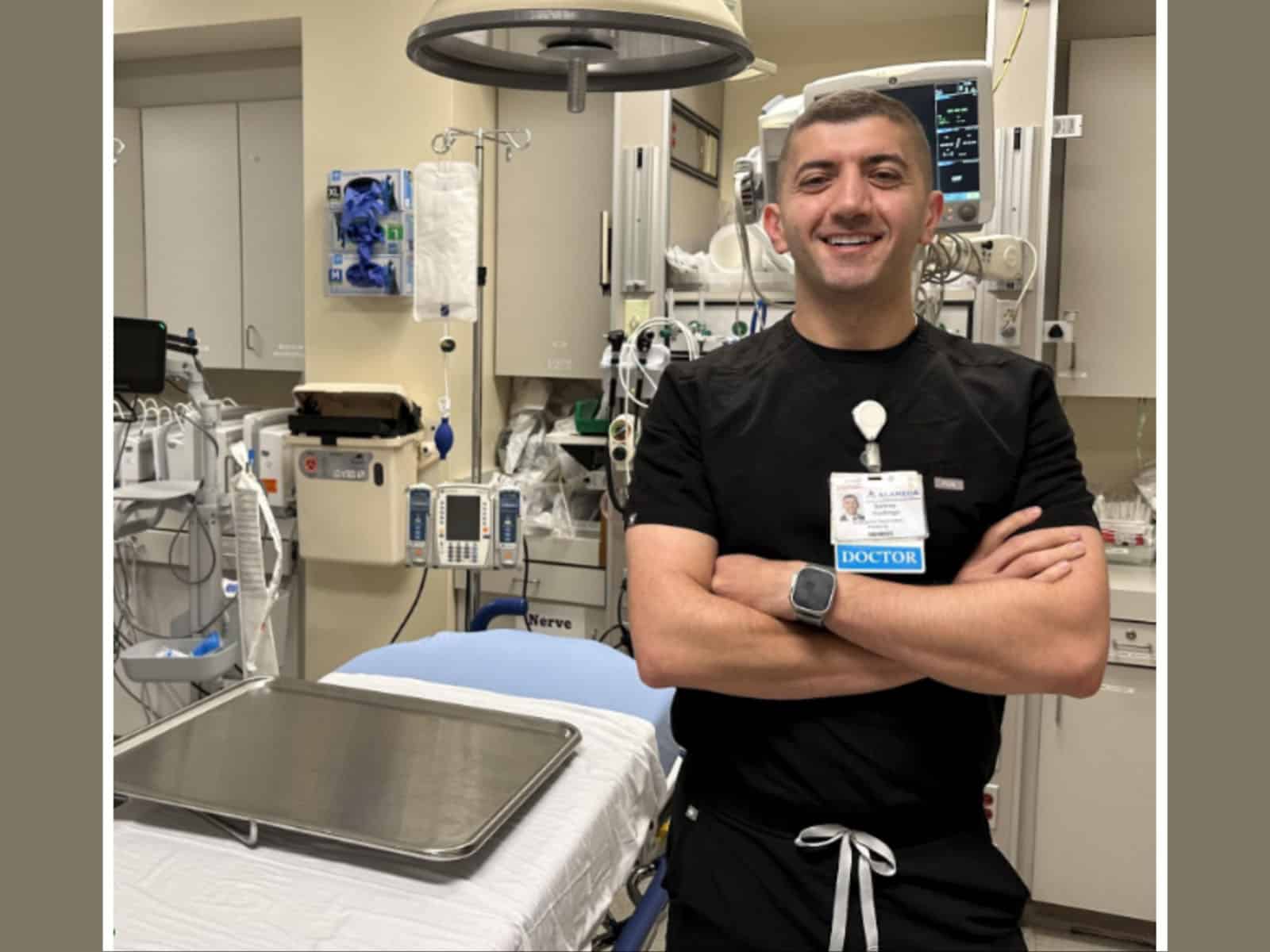
Even with the best precautions, emergencies happen, and Alameda Hospital is open and ready to care for community members 24/7. In fact, Alamedans are fortunate that Alameda Hospital typically has among the shortest ER wait times in the Bay Area.
We spoke with Dr. Sammy Hodroge, medical director of Alameda Hospital’s emergency department, who shared five essential tools everyone can use to avoid a trip to the ER.
1. Wash your hands.
One of the simplest ways to stop the spread of germs is one we all know: washing our hands. Viruses that cause colds, flu, and stomach bugs are often transmitted from contaminated surfaces to hands and then faces.
“Consistent handwashing is a cornerstone of illness prevention,” Dr. Hodroge said. “Washing with soap and water for at least 20 seconds, especially before eating and after being in public spaces, removes pathogens that can make you and others sick.”
2. Wear a helmet.
Head injuries can be devastating and occur in an instant. People are at an even higher risk now with the proliferation of electric bicycles and scooters. Always wear a helmet, even for short trips.
“We see far too many patients with head injuries that could have been avoided,” Dr. Hodroge said. Helmets are a proven way to protect against concussions, fractures, and other trauma.
“It doesn’t matter if you’re riding a bike, scooter, or skateboard. Accidents happen quickly, and a helmet can be the difference between a minor incident and a life-altering injury,” Dr. Hodroge said.



3. Consider a flashlight or reflective vest when walking at night.
Shorter days mean more nighttime street crossings and an increased risk of being injured by street traffic. Increasing visibility gives drivers a few seconds to slow down.
“We see a tragic increase in pedestrian accidents when the days get shorter,” Dr. Hodroge said. “It’s critical to make yourself visible. Wear bright or reflective clothing, carry a flashlight, or use a reflective vest. Drivers can’t avoid what they can’t see, and these simple tools can be life-saving.”
4. Check your carbon monoxide detectors.
The risk of carbon monoxide poisoning rises in the winter when we turn on the heat. The odorless, colorless gas from heaters can be fatal.
“Carbon monoxide is a silent killer because you can’t see it or smell it,” Dr. Hodroge said. “Before you start heating your home, test your detectors and replace the batteries. Every home with fuel-burning appliances needs working detectors on every level, especially near sleeping areas. It’s a simple step that prevents tragedies.”
5. Get a primary care doctor.
Don’t wait to get established with a primary care doctor. Your doctor is your main partner in long-term health. They know you and your medical history. This allows them to offer specific prevention strategies, manage chronic conditions, and catch potential problems early.
“Prevention is always the goal,” Dr. Hodroge said. “We’d much rather see our community members staying healthy at home than see them here for something that could have been avoided. But when those emergencies happen, we are ready.”
Simple choices add up. By taking these small precautions, families can avoid unnecessary emergencies and focus more on living healthy, active lives. And if an emergency does happen, Alameda Hospital is here for you.
Healthy Alameda is a healthcare column provided by Alameda Health System (AHS), the public safety-net health system that serves all in Alameda County. AHS operates five facilities in the City of Alameda, including Alameda Hospital, Creedon Advanced Wound Care Center, Park Bridge Rehabilitation and Wellness, South Shore Rehabilitation and Wellness, and Marina Wellness and Surgical Associates.
