“Oh, my aching back.” I would not be surprised if that was one of the most common phrases people mutter. Statistics show that 84% of adults experience back pain in their lifetimes, according to Haleon Health.

Your back is the posterior region of your body from the base of your neck to the top of your buttocks and includes the vertebral column and the muscles that support the back and spinal cord. Pain in your back could be caused by a variety of reasons.
A car accident may not just cause damage to your car, it may cause a traumatic injury to your back. When Jill tumbled down that hill, she also likely injured her back. After all, the hill seemed to be a steep one as Jack’s fall resulted in a broken crown. Medical conditions, diagnosed by your doctor, may also be related to back pain. Recently, two students from my group classes have shared with me that they received diagnoses explaining their back pain. One has arthritis on her spine, the other has a herniated disc. Accidents that result in injury or medical conditions affecting the back are unavoidable, and treatment is the solution. However, there are other causes of back pain that can be avoided.
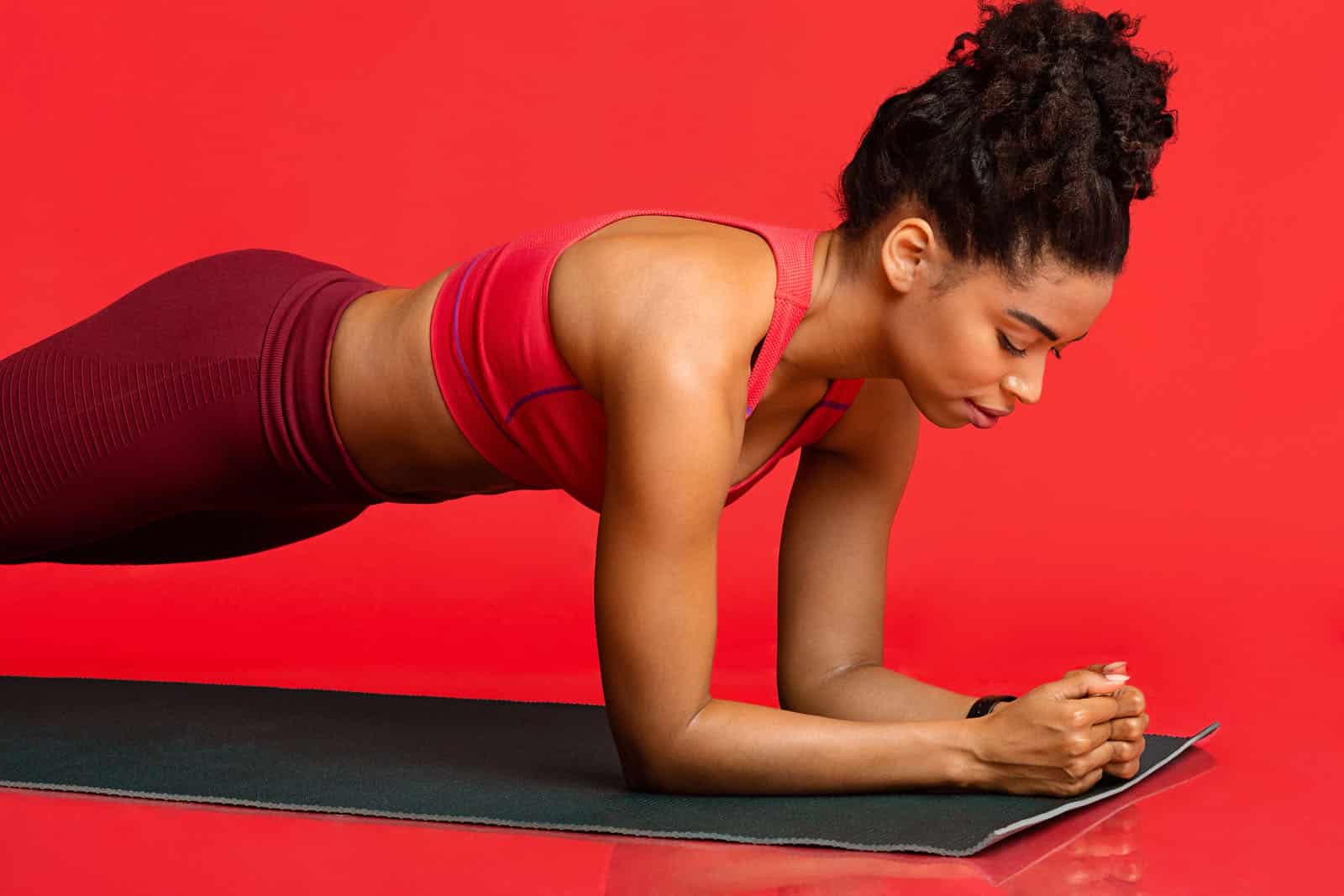
As a coach, my first thought when someone tells me they are experiencing back pain, after ruling out injury or a medical condition, is that the core needs strengthening. Your core is the midsection of your body—the muscles and structures that support your spine, pelvis, and lower abdomen. As explained by the Osteo Med Clinic, “When core muscles are strong, they help distribute forces evenly throughout the body, reducing the stress placed on the spine and lower back. However, when the core is weak, it can lead to poor posture, muscular imbalances, and increased pressure on the spine, which can cause or worsen back pain.” Core-focused exercises such as holding a plank or a bridge can help strengthen your core.
Too much time on your tush can lead to pain in your back. A study published in BMC Public Health found that people who sat for 75% of their workday reported significantly more back and neck pain than those who spent less time sitting. Sitting for prolonged periods of time decreases blood flow which may result in stiffness. Some ways to stave off the stiffness in your back can be found in my article, Not Sitting is Not the Same as Exercising.




Vitamin D is essential to good bone and muscle health. We delve deeper in the article Hello Sunshine. A study published in The BMJ (British Medical Journal) found that 83% of patients of clinics in Saudi Arabia “who had experienced low back pain that had no obvious cause for more than six months had an abnormally low level of vitamin D. After treatment with vitamin D supplements, clinical improvement in symptoms was seen in all of those who had a low initial concentration of vitamin D.” If you are experiencing unexplained back pain, you might want to ask your doctor if you should be tested for a vitamin D deficiency.
Is it time to go shoe shopping? If you are consistently getting your steps in but back pain is starting to slow you down, you might need to retire those walking/running shoes and get a new pair. Your shoes may lose support, even if the soles do not appear worn. Looking at the soles will reveal uneven wear or loss of tread and traction, but it will not tell you if the supportive cushioning is lacking. You would think that is something you could feel. But sometimes, those shoes are comfy because they are familiar, your feet recognize them.

I first realized this anomaly when I played league volleyball in my early 20s. I only wore my favorite volleyball shoes for games. They never touched the pavement, only indoor gym floors. Fellow players would always comment on the great condition my shoes were in, even though I wore them for every game. It was not until I accompanied my friend to a shoe store for her to purchase another pair of shoes that she couldn’t stop raving about, that I realized my shoes only seemed to be in great condition. She convinced me to try on a pair of her favorites, and I immediately felt a familiar bounce and sponginess that my favorite shoes were now lacking. My shoes appeared fine, but were not providing the necessary support. So the aches and pains I sometimes felt following games may have been due to more than the game itself.
Do not just accept that back pain is something you must live with. If your back aches and there is not an obvious reason, do some investigating. As Joseph Pilates said, “If your spine is inflexibly stiff at 30, you are old. If it is completely flexible at 60, you are young.”
Contributing writer Denise Lum is a Health and Fitness Coach raising her family in Alameda. Contact her via [email protected] or FitnessByDsign.com. Her writing is collected at AlamedaPost.com/Denise-Lum.
