Alameda resident Denny Goodman was out on a fishing boat with his neighbors on July 4, 2022, hoping to catch a perfect view of fireworks over the San Francisco Bay.
It was the happiest time of his life, he told his friends. He’d decided to live aboard a boat in Alameda after eight years of caretaking for his mother, who passed away at 103 years old. A new chapter in his life had just begun.
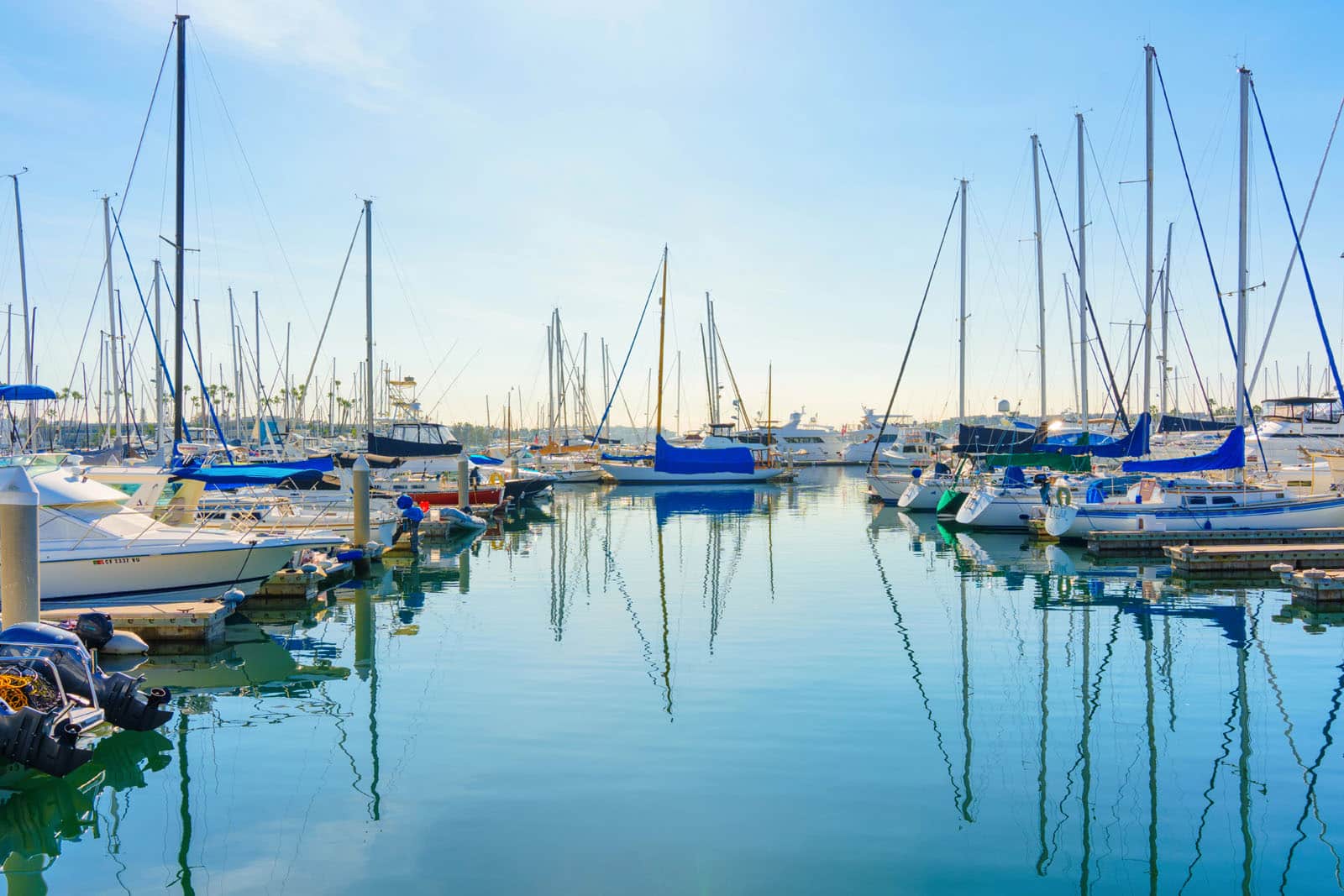
The fog was thick and the fireworks were hidden behind its veil. But no matter, Goodman and his friends joked around beneath the invisible booms and crackles before heading back to the marina.
At some point in the night, Goodman had a stroke. Two days went by. Friends and neighbors began to worry that they hadn’t seen him. On the third day, a local marine captain decided it was time to break into Goodman’s boat to check on him. He discovered Goodman collapsed in a nook just beyond view from the sliding glass doors of the aft deck. Goodman was rushed to Alameda Hospital—the only certified stroke center and emergency room in Alameda—but despite the best efforts of medical staff, it was too late.
“The doctors were showing me scans of the damage every day. If we had found him sooner, he may have had a chance. But the damage was too widespread,” said Lynn Chronis, Goodman’s sister.
On July 14, Goodman died. His story is not uncommon. Stroke is a leading cause of death nationwide and a leading cause of serious long-term disability. Yet, with early recognition and fast treatment, outcomes can often be significantly improved.
A stroke occurs when blood flow to the brain is suddenly interrupted. Every minute that a stroke goes untreated makes it harder for someone to recover. Most strokes are the result of underlying health problems, such as hypertension, diabetes, atrial fibrillation and high cholesterol, among other things.
Anh Juntura, stroke program manager at Alameda Health System, which operates Alameda Hospital, says there are medications and treatments that can reduce disability if a patient makes it to the hospital within 4½ hours, or even within 24 hours if a clot has formed.



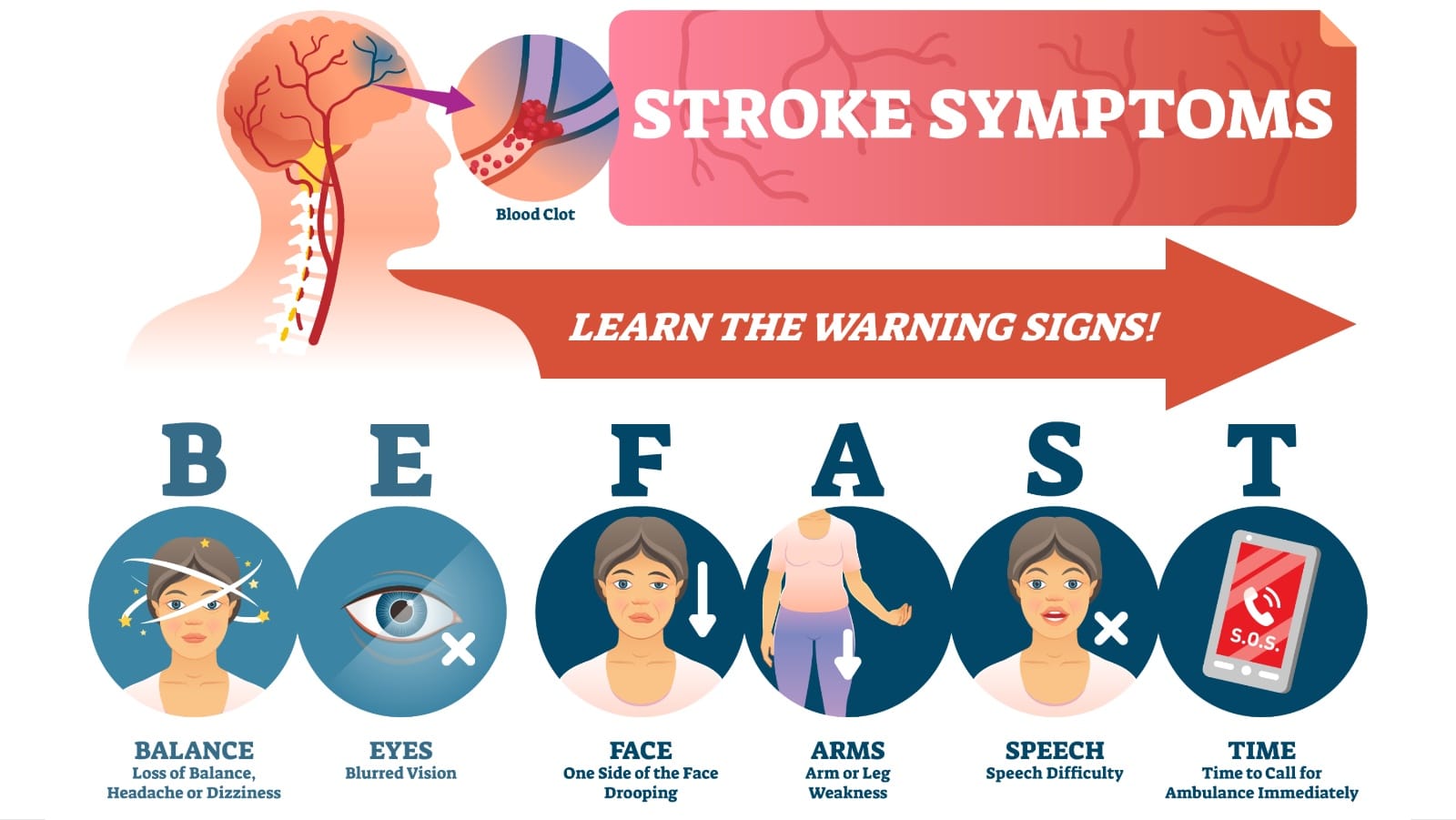
She recommends using the BE FAST acronym to remember how to recognize stroke symptoms. The B stands for Balance, which people experiencing a stroke can struggle with. The E stands for Eyes, as stroke victims will sometimes experience a sudden loss or change in vision. F stands for Face, which can droop when a stroke happens. A stands for Arm because strokes can make limbs sag. S stands for Speech, which can be slurred. And T stands for Time, indicating the need for immediate medical attention.
People who are at risk of a stroke can mitigate the secondary risk of delayed treatment by telling their family, friends and neighbors and making them aware of the BE FAST warning signs. If you have a high risk of stroke and live alone, consider purchasing a wearable medical alert device or arranging daily check-ins with someone who will take action if you do not respond.
For Alamedans who need immediate access to stroke care, Alameda Hospital is a critical resource. The hospital, which offers emergency services 24/7, has been certified by the Joint Commission as a primary stroke center since 2011. For most residents, it’s just a short drive away—but in the case of stroke, even those minutes matter.
“Every second counts when it comes to stroke care,” Juntura said. “Our team is trained to respond quickly and efficiently. But the first step is awareness—people need to know the signs and not wait to seek help. If you or someone near you shows any symptoms of stroke, don’t hesitate. Call 911 immediately. It truly can make the difference between recovery and loss.”
Healthy Alameda is a healthcare column provided by Alameda Health System (AHS), the public safety-net health system that serves all in Alameda County. AHS operates five facilities in the City of Alameda, including Alameda Hospital, Creedon Advanced Wound Care Center, Park Bridge Rehabilitation and Wellness, South Shore Rehabilitation and Wellness, and Marina Wellness and Surgical Associates.
Alameda Health System seeks volunteers for blood donation
Alameda Health System (AHS) is teaming up with The American Red Cross to offer a community blood drive at Alameda Hospital. Donors with all blood types are needed, especially those with types O negative, A negative and B negative. Donating blood will help AHS save lives.
Sign up to donate by going to redcrossblood.org and use sponsor code Alameda.
Alameda Hospital is located at 2070 Clinton Avenue, Alameda, CA 94501. The drive will be held on August 29, 11 a.m. – 5 p.m., in conference room A.
