Production, shipment, and disposal of textiles accounts for roughly 10% of global greenhouse gas emissions. According to the Environmental Protection Agency, discarded textiles made up 11.3 million tons (7.7%) of all landfill materials in the United States when last measured in 2018, a dramatic increase over previous years. Discarded clothing accounts for the majority of these textiles, but furniture, carpets, shoes, sheets, and towels also contribute. The problem is getting worse with the fast fashion trend. What can we do about this situation?
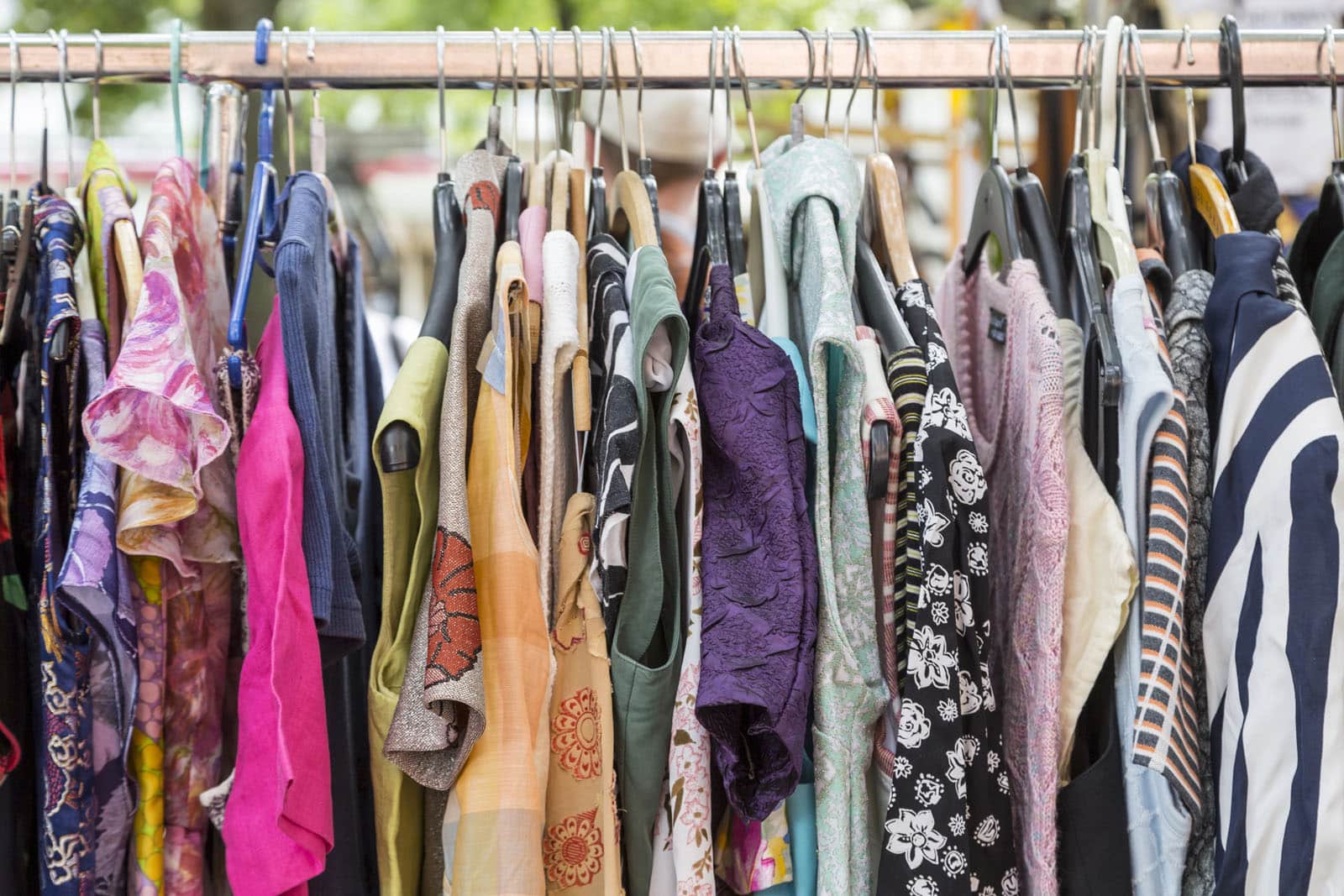
Buy quality textiles that will have a long lifespan, which saves money in the long run. Avoid fast fashion items, which tend to be cheaply made and don’t stay in fashion for long, leading to soon-to-be-discarded items. Shop at one of our town’s thrift or vintage shops for used clothing instead of buying brand new. There are great buys to be found and you’ll be supporting a local nonprofit or business.
Mend items and repair shoes instead of discarding them, to give them a longer life. Remember the old saying, “A stitch in time saves nine.” If you don’t know how to sew, you can bring the item to one of Alameda’s alteration/mending shops, and shoes can be resoled as well.
Donate lightly worn clothing items that no longer fit to an Alameda thrift shop. If you have used towels you no longer need, consider giving them to the Friends of the Alameda Animal Shelter for the many pets they care for. Worn-out sheets and clothing items make excellent rags for cleaning vehicles and your home—using them instead of paper towels, Swiffers, sponges, etc., saves money in the family budget. Also consider upcycling. Old T-shirts can be made into reusable bags, and old clothing can be made into quilts (check this out on YouTube).



The Ridwell service available in Alameda also recycles textiles, in addition to plastic film of various thicknesses. For more ideas on what to do with leftover textile items, you can enter the type of item and your zip code on the StopWaste.org website and you’ll find numerous ways to deal with your no longer wanted textiles and other items.
Together, we can reduce emissions due to textile production and eliminate textiles going to the landfill, while saving money in the long run.
Joyce Mercado is the author of Save the Planet in Your Spare Time: A Climate Protection Handbook for the Busy Person, a member of Community Action for a Sustainable Alameda (CASA), and President of the Rotary Club of Alameda. Her columns are collected at alamedapost.com/Joyce-Mercado. She can be reached at [email protected].
