The proposed pedestrian bridge
To the Editor:
Has everyone heard about the Alameda-Jack London Square pedestrian/bike bridge proposal yet? After studying the idea for years and years and spending $1.5 million on consultants (not including staff time, etc), the city of Alameda has determined it’d cost about $300,000,000 to build it. That’s 300 million dollars. (Visit https://estuarybridge.org for the details).
The short version of the story is that it’s super-difficult to build a useful bridge from the western shore near Alameda’s Target store to Jack London Square on Oakland’s western shore.
It needs to be a lift bridge or a drawbridge, even if its low position is pretty high, so that the giant Coast Guard vessels can get under. A static bridge high enough for them would leave users pretty out of breath from the 10 story climb up and then 10 stories down again. In order to make it boat-friendly for regular-sized sailboats, the down position will have to be pretty high (40-70 feet above the water, depending on how friendly we want to be to boaters). And to make it bike and wheelchair friendly, it’ll need long, spiraling ramps to get all the way up there. And a lift or drawbridge would have to be staffed with salaried humans who operate and maintain the lift-mechanism.
My personal take is that it’d be pretty cool to have it, but I can think of a lot of better ways to improve access to East Bay buses and trains that’d cost a lot less. To succeed, it’d have to become the most interesting architectural thing in the East Bay (again, pretty cool). But we’d have to beg, borrow, and ultimately tax a lot to make it happen for limited benefit. Not no-benefit, but like funding $1,000 a plate meals at a soup kitchen. Not a great use of limited funds.
This sort of thing happens a lot in government. Someone has a cool-sounding idea. They do a bit of due diligence on it, realize that it’s not really practical but instead say it needs more study. Then it becomes a perennial project that partly justifies someone’s job without actually improving anyone’s life.
So I’m calling on the City Council and mayor to once and for all declare that we’ve wasted enough of our precious resources on this and end the project. The alternative is to waste hundreds of thousands of dollars more paying staff and consultants to continue investigating a non-starter. I’ll bet transportation staff can be put on more meaningful projects.
Bradley King
America Recycles Day Is a call to care. Let’s answer it together.
To the Editor:
Every November 15, America Recycles Day invites us to pause and think about what we throw away and what we protect. After more than a decade working with schools, cities, and community groups across California’s Bay Area to reduce waste and protect our land, water, and air, I’ve seen how small actions lead to big change. It’s a reminder that how we care for the Earth is connected to how we care for each other.
We’ve seen pollution, illegal dumping, and lack of green spaces impact our health and happiness. But we also know the power of community. When we take action, like recycling a bottle or composting a banana peel, we’re not just helping the planet. We’re protecting our families, our neighborhoods, and our future.
I’m proud to partner with CalRecycle, a state department that shares the mission of using less and recycling more for our waste-free future.
Every can counts
Recycling isn’t just about keeping things out of the trash. It’s about keeping value in our communities. Every can you recycle is turned into something new, and California Redemption Value (CRV) refunds help families stretch their dollars. This small act adds up.


Food scraps matter
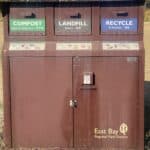
The same goes for food scraps. When tossed in the trash, they create climate pollution in landfills that leads to unhealthy air, droughts, and wildfires. When placed in the green bin, they’re turned into renewable energy or compost that helps grow healthier food and greener spaces. It’s a simple switch that turns waste into something better.
Reduce, then recycle
Before we recycle or compost, we can reduce by choosing reusable items, buying only what we need, and using what we already have creatively. Reducing waste is one of the most powerful things we can do to protect the planet and save money.
Teaching the next generation
A big part of my work focuses on youth. I’ve helped schools across Alameda and Contra Costa Counties build programs that make recycling and composting easy and empowering. When we teach kids to care for the Earth, we’re shaping habits and values that ripple through communities. A child who learns to recycle today becomes someone who speaks up for clean air, environmental justice, and community care tomorrow.
Let’s keep the cycle going
This America Recycles Day, I invite you to take one of these small steps:
- Talk to your kids about choosing reusables over single-use items.
- Reduce food waste. Planning meals, freezing leftovers, and shopping your fridge first can save the average family up to $3,000 a year.
- Put food you can’t eat into your green bin instead of your trash. If you don’t have a green bin, find a community site or start your own pile.
- Cash in CRV containers at over 1,300 recycling sites. Find one near you at RecyclingReimaginedca.com/cash-for-crv.
These aren’t chores, they’re ways to show love for our neighbors, our families, and our future. Let’s keep the cycle of care alive. Let’s recycle, compost, and rise together.
Visit https://www.resiliencebirthright.org/ for more information on how to help solve climate change and support planet restoration.
Visit CalRecycle.ca.gov for more information on how you can support environmental stewardship in your community.
Jessica Jane Robinson
Editorials and Letters to the Editor
All opinions expressed on this page are the author's alone and do not reflect those of the Alameda Post, nor does our organization endorse any views the author may present. Our objective as an independent news source is to fully reflect our community's varied opinions without giving preference to a particular viewpoint.
If you disagree with an opinion that we have published, please submit a rebuttal or differing opinion in a letter to the Editor for publication. Review our policies page for more information.
