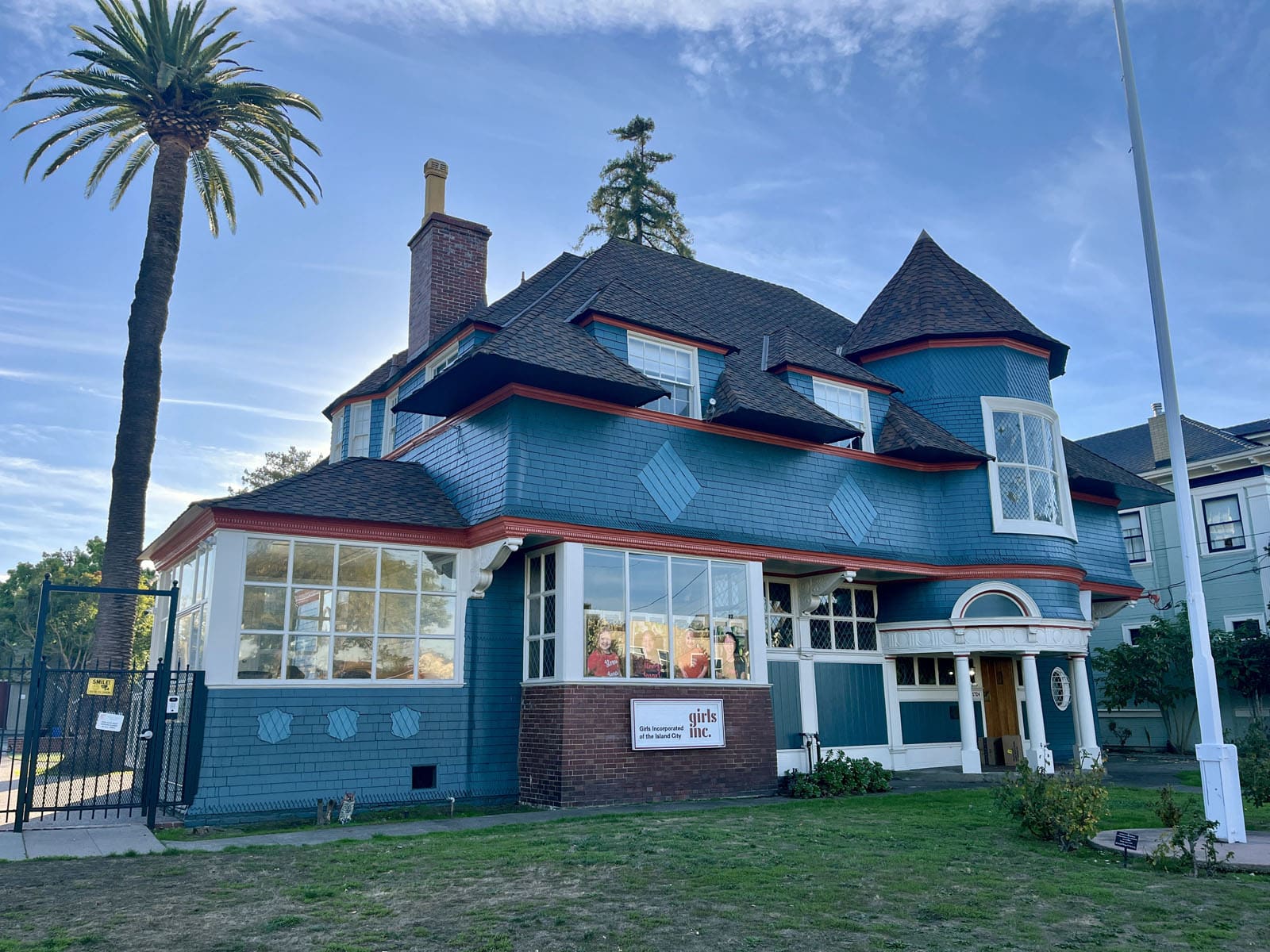
Historian Woody Minor once referred to this section of town as a “midtown neighborhood that grew in tandem with the commuter trains, including once-impressive rows on Santa Clara Avenue. The shingled landmark at 1724 Santa Clara, built in 1891 for retired druggist David Greenleaf, is a rare survivor.” Although this suggests that Santa Clara Avenue has lost many or most of its impressive 19th century homes to apartment buildings and newer homes, there are still a number of historic homes on the 1700 block, perhaps the most interesting being the Greenleaf House located at 1724.
Why the Greenleaf House?
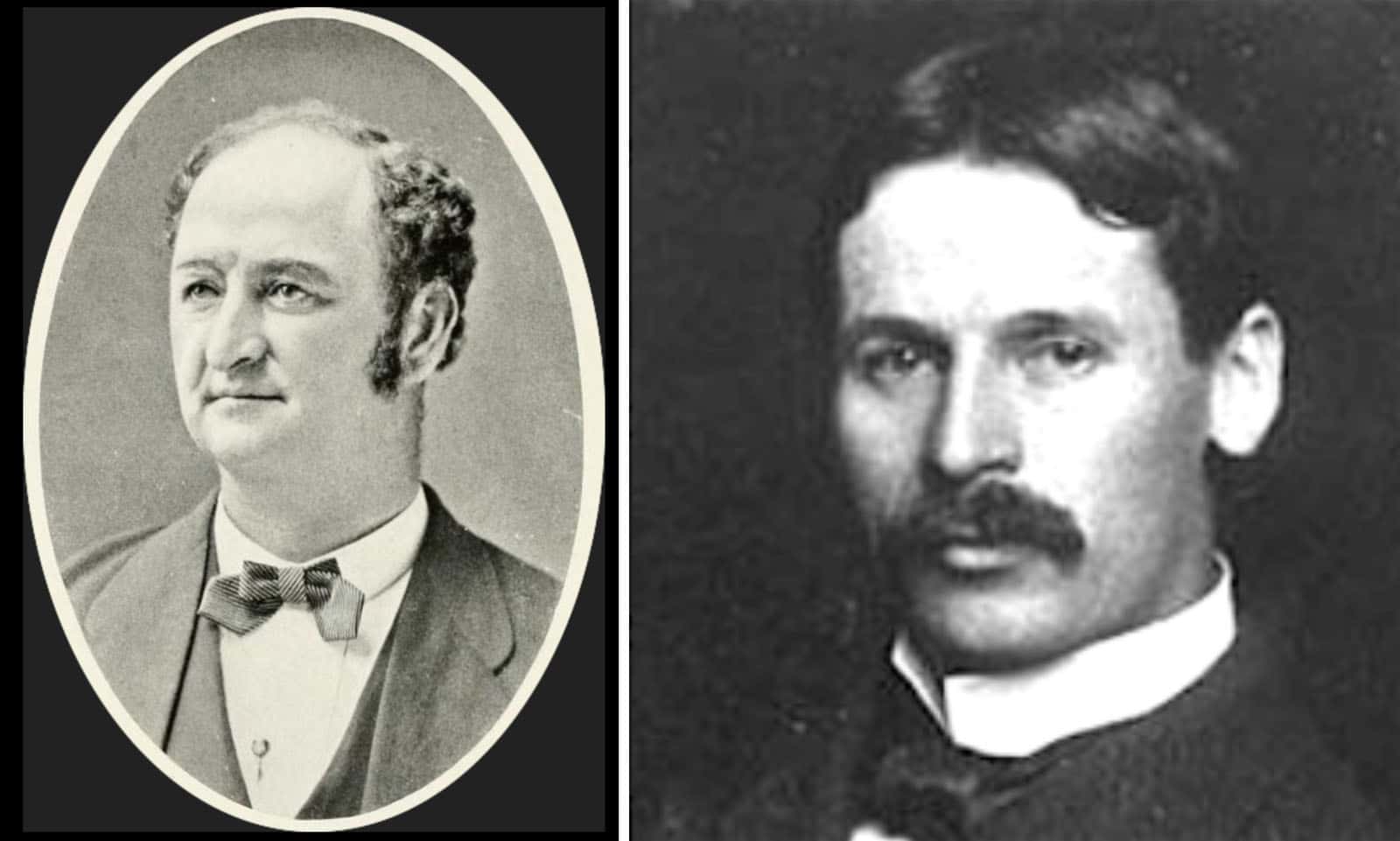
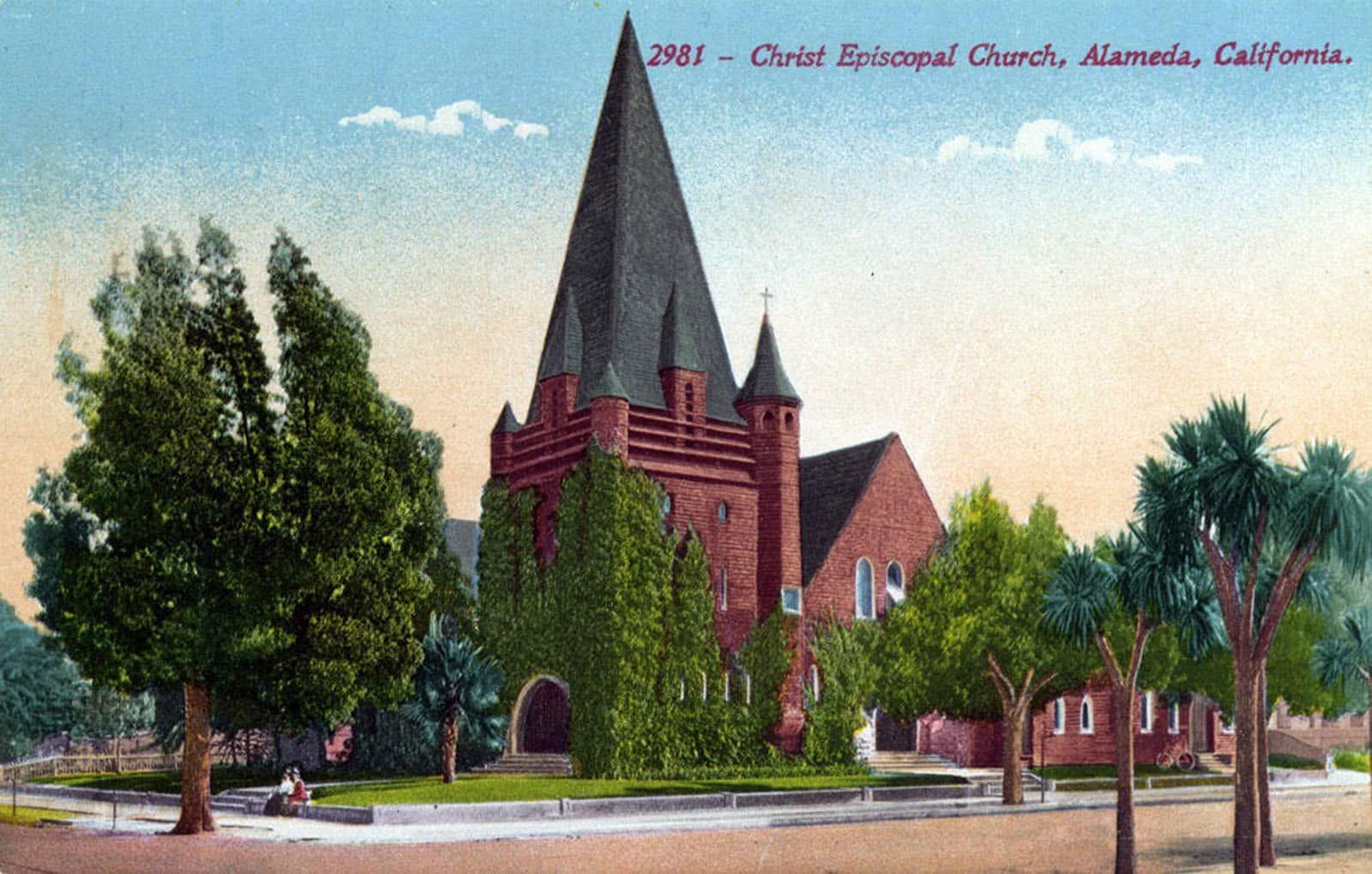
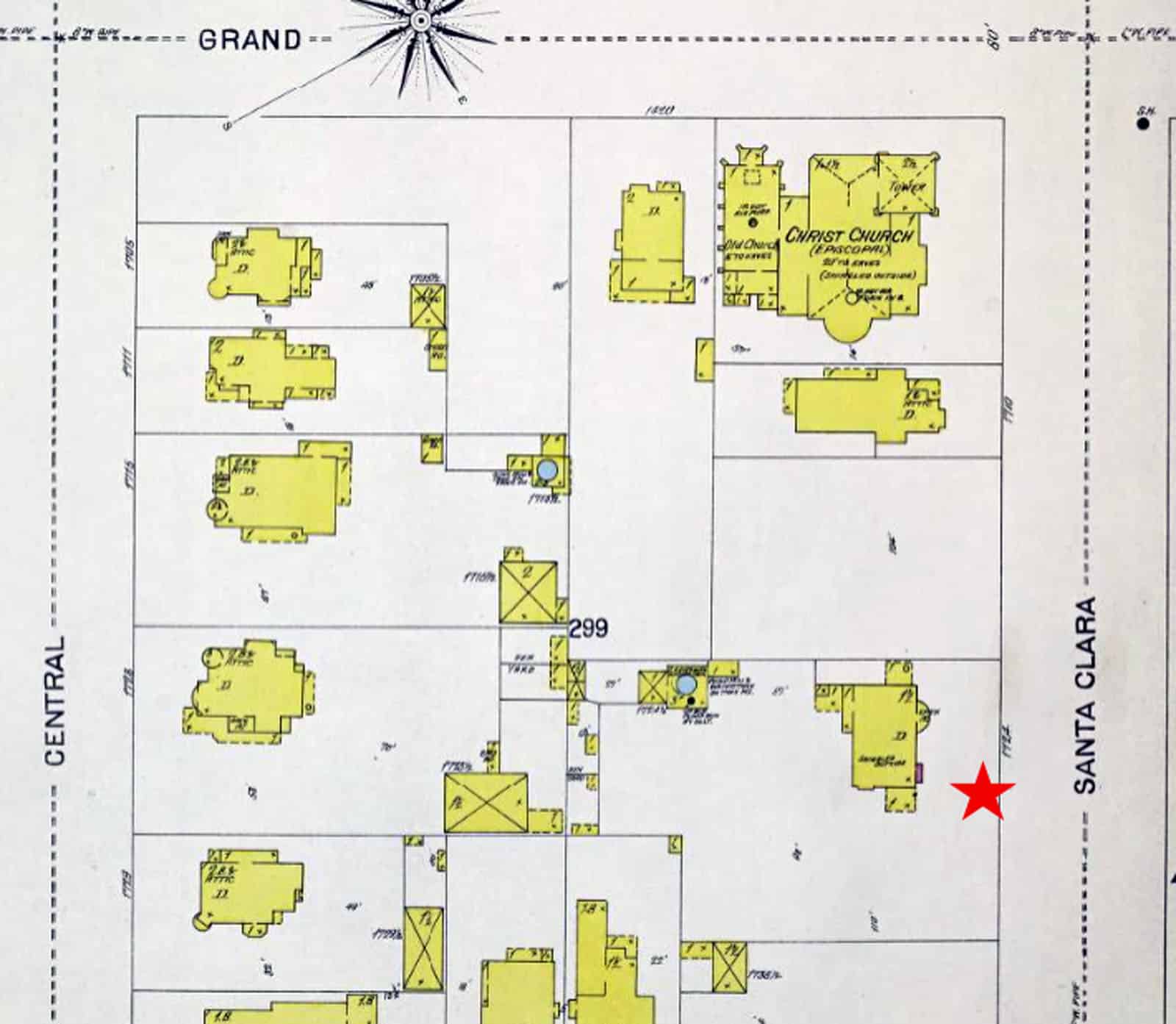
David Greenleaf was a 64-year-old retired dentist and druggist, originally from Hartford, Connecticut, who was living in San Jose with his family when he contracted with architect Ernest Coxhead to design a home on Santa Clara Avenue in Alameda. The British-born Coxhead was a notable architect in the San Francisco area, and was at that time supervising construction of the Christ Episcopal Church right next door, at the corner of Grand Street and Santa Clara Avenue. As the story goes, Greenleaf was quite impressed with the unique design of the church, and sought out the architect and builder of that church for his own home. Sadly, that beautiful shingled sanctuary was destroyed by an arson fire in 1960, and replaced with the current church.
Separate architect and builder
Work began on Greenleaf’s home shortly after the original church was finished, using the same builder, Joseph Norris. Unlike local full-service architect/builder companies in Alameda like Marcuse & Remmel, Dennis Straub & Son, Joseph Leonard & Company, and A. W. Pattiani, the method used at 1724 Santa Clara was to hire an independent architect to develop the plans, and then award the contract to a builder through a competitive bidding process. In this case, the same builder who put up Cox’s previous project—Christ Episcopal Church—was selected for the Greenleaf project.
From Royal Academy to Alameda
Ernest Albert Coxhead (1863-1933) was born in Eastbourne, England, the fourth of six children. By age 15 he was apprenticed to civil engineer George Ambrose Wallis, and by 1883 Coxhead had moved to London, where he worked for architect Frederick Chancellor, a restorer of Gothic churches. While in London, Coxhead attended the Royal Academy, and the Architectural Association School of Architecture. In 1886, Ernest and his brother, Almeric William Sylvester Coxhead, moved to Los Angeles, where they established a practice and secured contracts to design a number of Episcopal churches. Almeric, who had no formal training, learned drafting on the job and supervised construction of his brother’s designs. The firm is said to have designed as many as 17 churches, 11 of which still stand today. Coxhead & Coxhead relocated to San Francisco in 1890, and this move set the stage for the building of today’s Alameda Treasure, the Ernest Coxhead masterpiece at 1724 Santa Clara Avenue.
‘Quirky and playful’
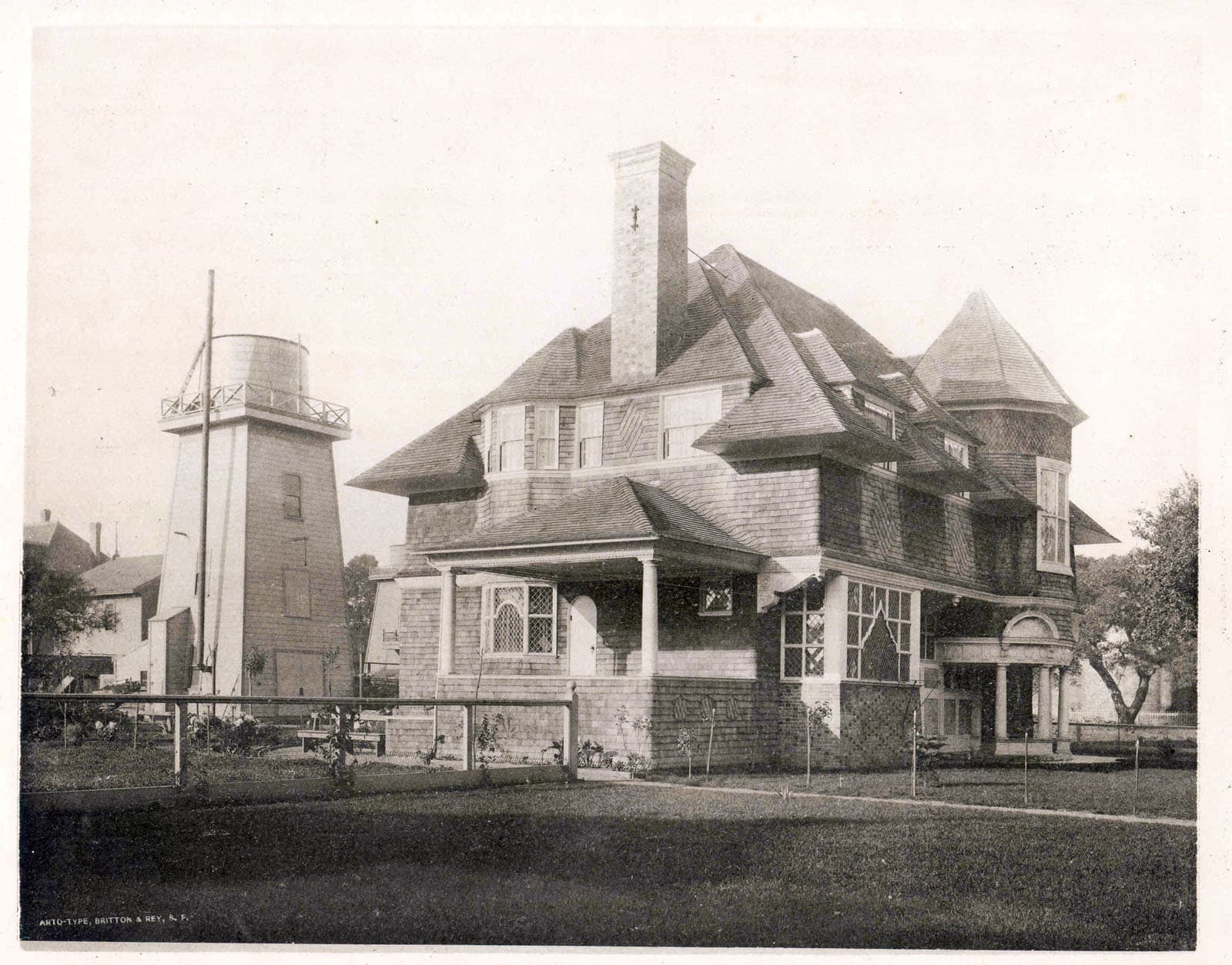
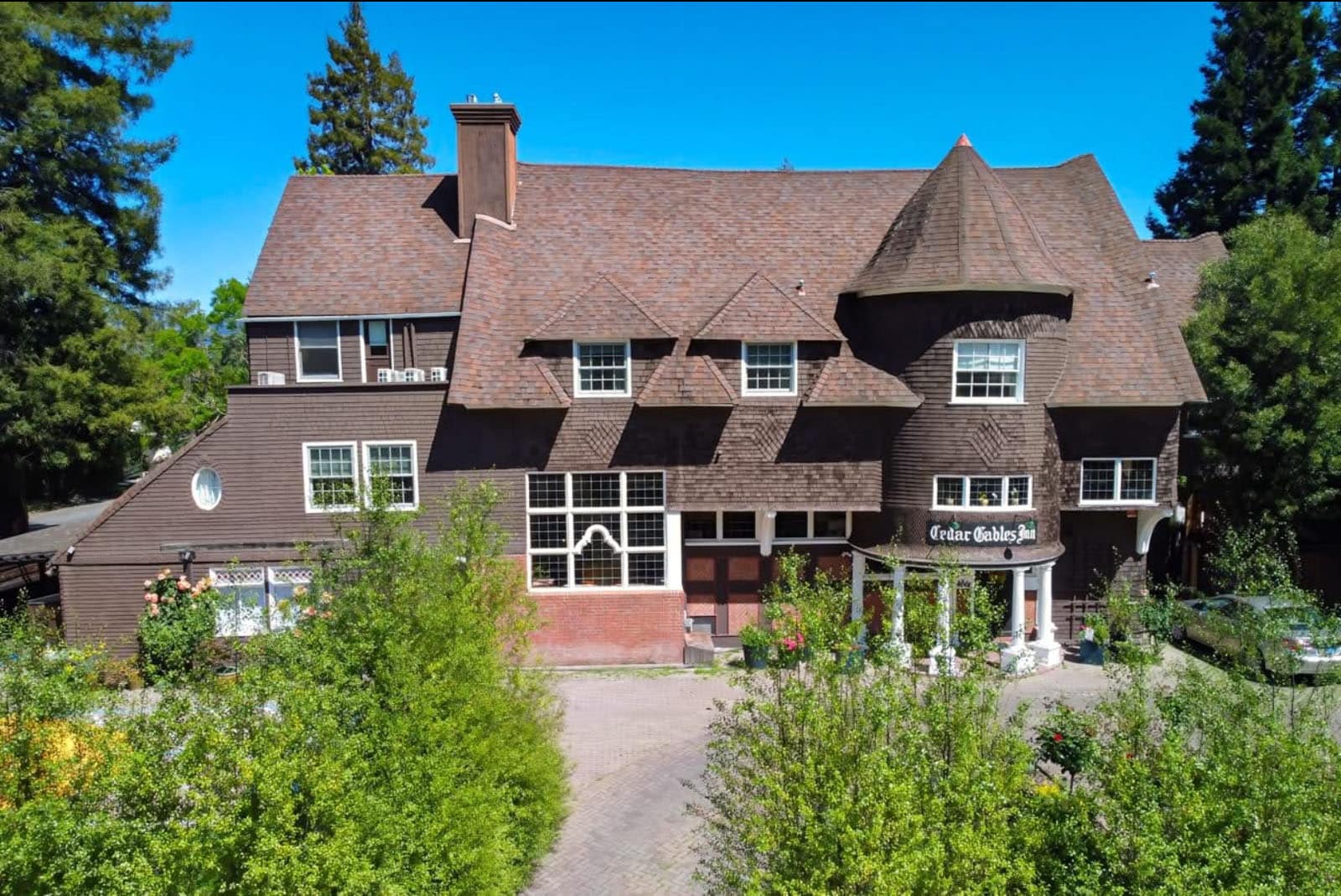
Architecture enthusiast and journalist Dave Weinstein once wrote about Ernest Coxhead, “Few architects have created buildings as quirky, playful, and personal as Coxhead, or as historically informed and serious.” He went on to describe how “Coxhead buildings appeal to both connoisseurs and casual passers-by, with amusingly incongruous details, like an immense medieval tower delicately poised on four slender classical columns.” That particular feature is seen not only on 1724 Santa Clara Avenue, but also on the Coxhead-designed Cedar Gables Inn, located in downtown Napa. That structure, built shortly after the Greenleaf House in 1892, is a virtual twin to our Alameda Treasure. We will explore it further in an upcoming article in this series.
Coxhead was known for mixing different, seemingly incompatible styles to create something new. His aesthetics trace back to England, where the Arts and Crafts style was developing during his youth. Woody Minor says about this home: “The design sifts Queen Anne in an Arts and Crafts sieve—a medieval tower and roof with a shingle skin and an unorthodox on-grade entry. The house feels at once old and new. The compressed porch and inflated window (each accentuating the other) seem to mock cartoon castles of the day.”



Nothing like it
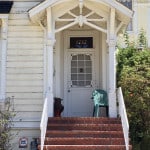
What makes the Greenleaf House special to me is that there is no other house quite like it in Alameda; it is delightfully unique. It almost doesn’t look like a “home”, but rather, with its longest section facing the street and its unusual design, more like the welcoming community institution it has been for much of its existence. The original homeowner, David Greenleaf, died in 1893, just a few years after moving into his new home. His widow Helen sold the property in 1904, after the tragic death of her 28-year-old son, David Greenleaf Jr. It remained a private residence into the 1940s, save for a period in the 1920s when it served as a private school. Since 1950, it has played an important role in the community as the home of the Alameda Boy Scout Council, Xanthos House (now Alameda Family Services), and, since 1982, the Alameda Girls Club (now Girls, Inc.).
Up next
Now that we’ve introduced Alameda’s Coxhead masterpiece, the Greenleaf House, and established its provenance, there is a rich history of this building still to tell. From the untimely death of its original owner, David Greenleaf, to the tragic events surrounding the early death of his son, David Greenleaf Jr., and the home’s connection to Alameda’s Meyers family, this house has tales to tell. In addition, we’ll look into its sister house, the Cedar Gables Inn, in downtown Napa, and find the intimate family connection between it and the adjacent Churchill Manor. Plus, the 43-year history of Girls, Inc., at this location (and its 61-year history in Alameda) is a major part of the home’s history. All that, and more, when our look into this Alameda Treasure continues with Part 2.
Some material for this story was sourced from the Alameda Architectural Preservation Society (AAPS) 2018 Legacy Home Tour booklet by Woody Minor, historical writer, and Conchita Perales, Committee Chair.
Special thanks also to Beth Sibley and Myrna van Lunteren for additional historical information from the Alameda Free Library and Alameda Museum collections.
Contributing writer Steve Gorman has been a resident of Alameda since 2000, when he fell in love with the history and architecture of this unique town. Contact him via [email protected]. His writing is collected at AlamedaPost.com/Steve-Gorman.
