Screens have become so ingrained in our daily lives that it seems impossible to avoid them. I remember when our family’s pediatrician used to advise me to limit screen time for my children to no more than an hour or two a day. Then they would go to school and lessons were taught using screens. By the time they were in middle school, they would need to complete lessons daily using Chromebooks. When high school rolled around, each student was assigned a Chromebook, which they carried to and from school like a textbook.
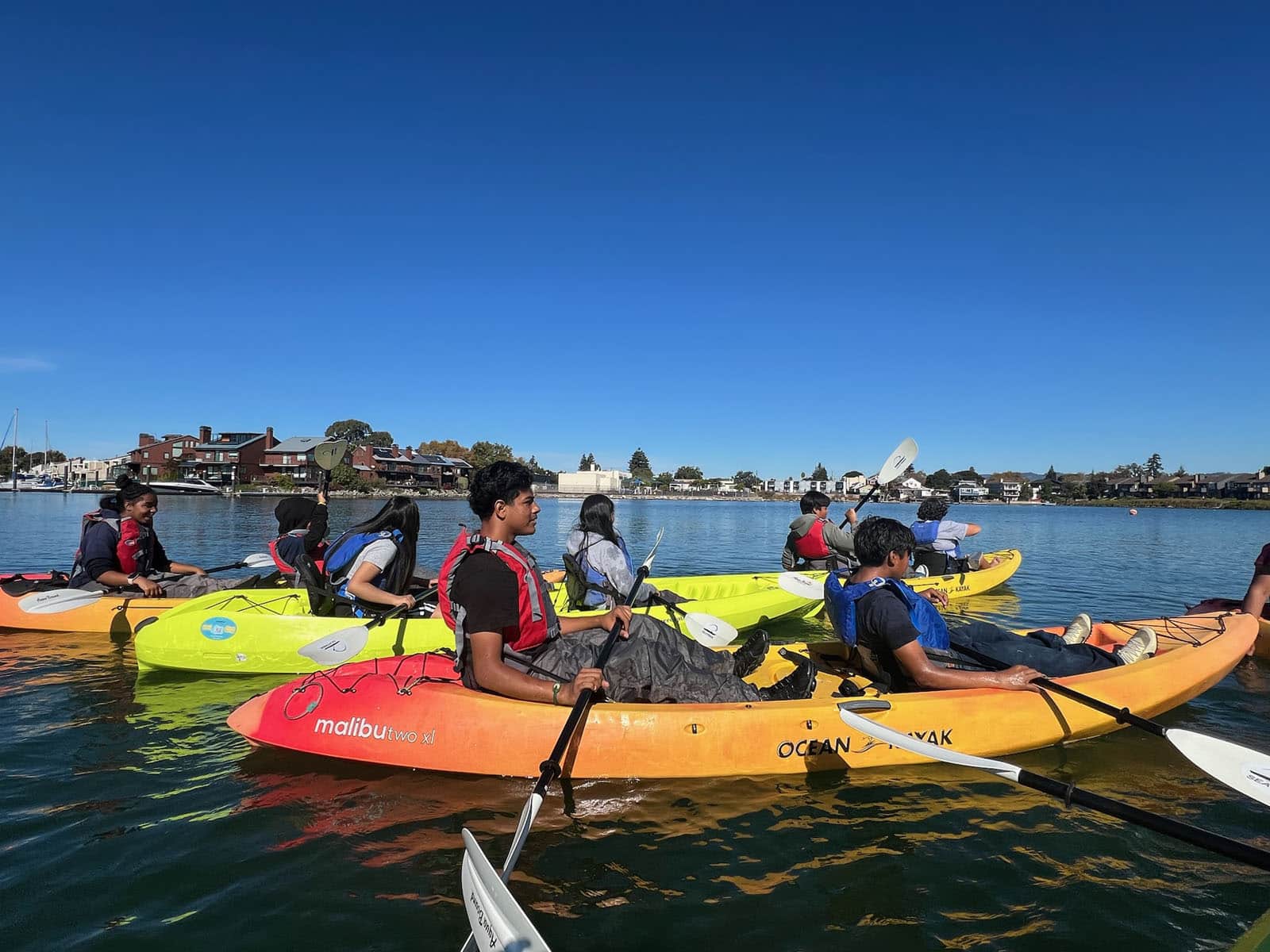
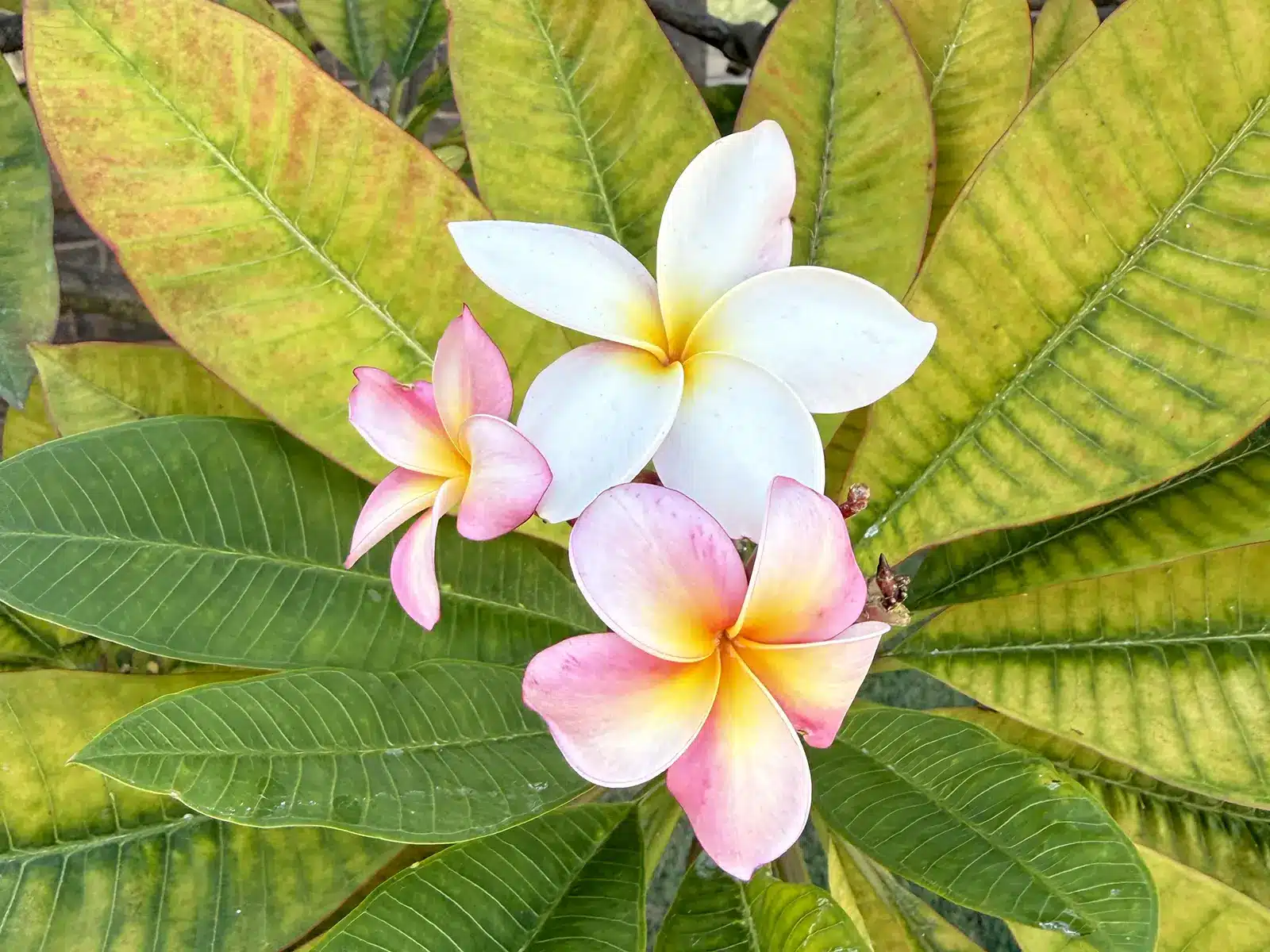
Technology gives us visual access to images and information in seconds. What technology is not truly able to provide is the complete physical experience. Some might argue that Virtual Reality (VR) goggles can. Not fully, though. They can give you a sense of the experience, based on what you see and hear, and what the messages those visions and sounds send to your brain. You can even wear gloves or a full body suit that provides haptic feedback, technology that uses vibration or other forces to create a simulated sense of touch. But I know that even if I were to don all the gear, visiting Hawaii using tech is not the same as being there, where I can feel the gentle ocean breeze and smell the jasmine or plumeria growing nearby. A suit will not allow me to feel the sand under my feet and the water washing over them as the waves lap the beach. I will not be able to enjoy shave-ice within blocks in any direction, the way we find coffee here.
“In the last two decades, childhood has moved indoors,” the National Wildlife Federation states in Health Benefits and Tips for connecting kids with nature. “The average American child spends as few as 30 minutes in unstructured outdoor play each day and more than seven hours each day in front of an electronic screen. This shift inside profoundly impacts the wellness of our nation’s kids. Childhood obesity rates have more than doubled in the last 20 years; the United States has become the largest consumer of ADHD medications in the world; and pediatric prescriptions for antidepressants have risen precipitously.”
Richard Louv, journalist and author of Last Child in the Woods, coined the term “nature deficit disorder” to describe young people’s loss of opportunity to interact with the natural environment and the risk that poses to their health. A study posted in the National Library of Medicine states: “Louv argues that elements of our urbanized lifestyle, including fewer natural spaces, a car-focused culture, more screen time, changes in the perception of risk (e.g., “stranger danger”), less leisure time, and increased time pressures from work or school, combine to decrease or even eliminate contact with nature for both adults and children. He proposes that direct exposure to nature is essential for the physical and emotional health of both children and adults.”
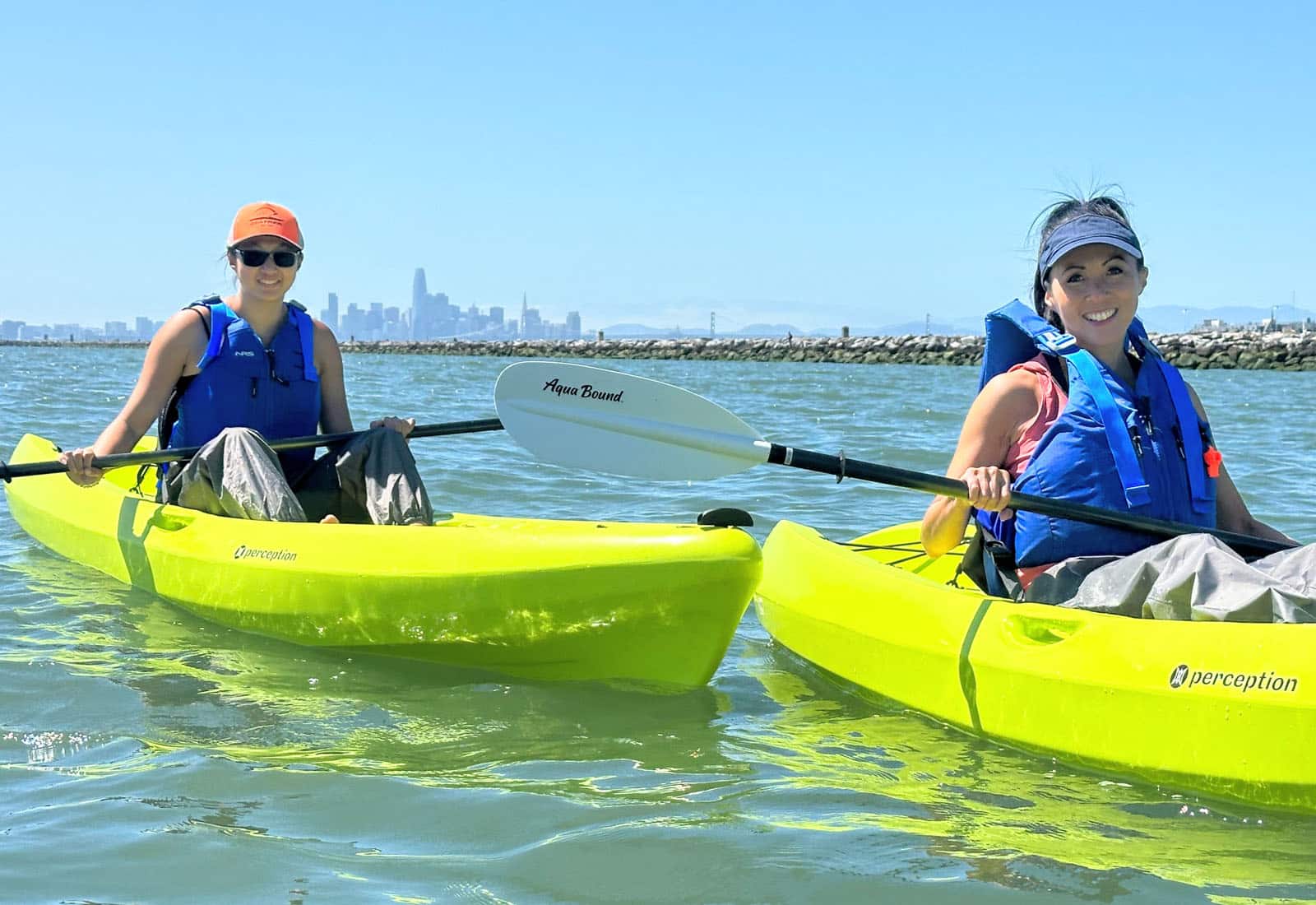
Last May, I was invited to kayak with Sea Trek at what was then their new Alameda location, and I wrote in Sea Trek Expands to Alameda’s Ballena Bay that being on the bay was more than a great workout, it was an opportunity for nature to enfold me in its splendor. At the time, Sea Trek CEO Galen Licht shared that they would be participating in a program with Oakland Unified School District to give youth who might not otherwise experience it an opportunity to get on the water. I recently had an opportunity to speak with Oakland Goes Outdoors (OGO) Program Coordinator Jessica Oya and Executive Director Kaitlin Levenstrong. The passion that they have to remove barriers and provide equitable access to the outdoors to 6,200 students a year across 22 school sites is exciting.

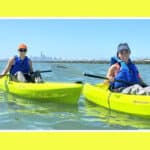

Without OGO, many of these children may not ever walk among the towering redwoods, kayak on the rolling bay, enjoy the expansive views from the Marin Headlands, and other outdoor experiences due to barriers such as cost, access to transportation or other reasons. To provide these opportunities “takes intention” says Levenstrong, noting that “exposure and access matter.” Through these adventures, provided during the school day, allowing for academic and social awareness, OGO exposes the students to activities that could be transformative. As Oya shared, OGO provides the students with opportunities to try different outdoor experiences to see if they love being in nature, and if they do, they can then share that love with their families so they too can experience the joy and wonder of the outdoors and together create a sense of environmental stewardship.
If you would like to support this endeavor, Oakland Goes Outdoors, in partnership with Sea Trek Alameda, has a goal of providing kayaking outings for 500 students, through the OUSD 500 on the Water Project campaign. Another way to support OGO is a team-building kayaking event with your company. Keep your team healthy and therefore more productive, plus when you host a team-building event, one student’s kayaking adventure gets covered. It is a win-win.
I am so proud of our little Island City and the many ways that children can step away from screens and live healthier by connecting with nature. Whether they bike or walk our plethora of trails, explore Crab Cove, run and play in any of our expansive parks, feel the sand between their toes at the beach, fish along the shoreline, or get on the water in a kayak, canoe, or on a paddleboard, their risk for “nature deficit disorder” diminishes. Do not underestimate your influence—lead by example, or even better, experience nature together. It is not too early to make a resolution for the new year to spend more time outdoors together as part of a healthy lifestyle.
Contributing writer Denise Lum is a Health and Fitness Coach raising her family in Alameda. Contact her via [email protected] or FitnessByDsign.com. Her writing is collected at AlamedaPost.com/Denise-Lum.
