Get to know the birds nesting at Crab Cove—and maybe in your backyard
Watching birds as they build their nests, lay eggs, incubate, hatch, and raise their young can be a truly joyful experience. Humans are often fascinated by the dedication shown by birds throughout the intricate nesting process.
There may be many more birds nesting in your neighborhood than you realize. Look for nests in trees and shrubs, under building eaves, in holes in trees or structures (cavity nesters), and even tucked under thick bushes. Observing a bird’s flight patterns can also give you clues—if they frequently return to a specific area and give warning calls when you are nearby, that could indicate their nest is nearby.
How you can help birds nest
If you have a yard or balcony space, you can assist birds in finding a safe nesting spot by providing a welcoming environment. Planting an organic garden, especially with California native plants, can provide birds with essential food sources. With access to food, water, and shelter, birds are more likely to thrive in your space.
Cavity-nesting birds rely on holes in trees, often created by woodpeckers in dead wood. Since dead trees and large branches are typically removed for safety reasons, you can help by installing inexpensive bird boxes to provide additional nesting sites. For the protection of birds and their nests, please avoid pruning shrubs and trees during nesting season, which typically spans from February through July. Keeping pet cats indoors (yes, many cats would not approve) is crucial for protecting wild bird populations!
Nesting at Crab Cove
Crab Cove is a birding “hot spot” during the cooler months, as many shorebirds and waterbirds make it their temporary home before migrating north to breed. But even on land, Crab Cove offers great opportunities to observe birds nesting! Here are some species you might encounter both at Crab Cove and possibly in your own neighborhood.
Woodpeckers
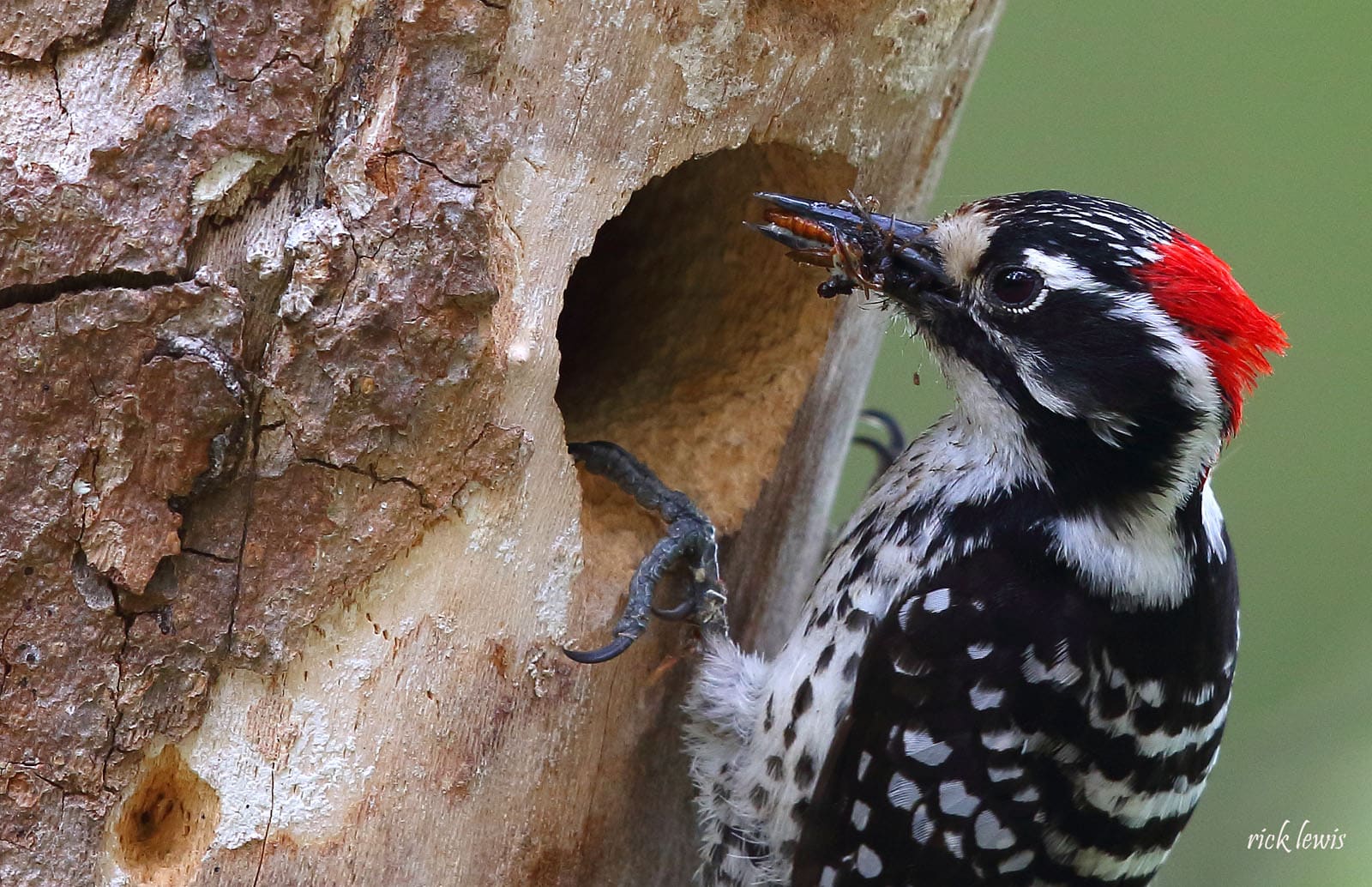
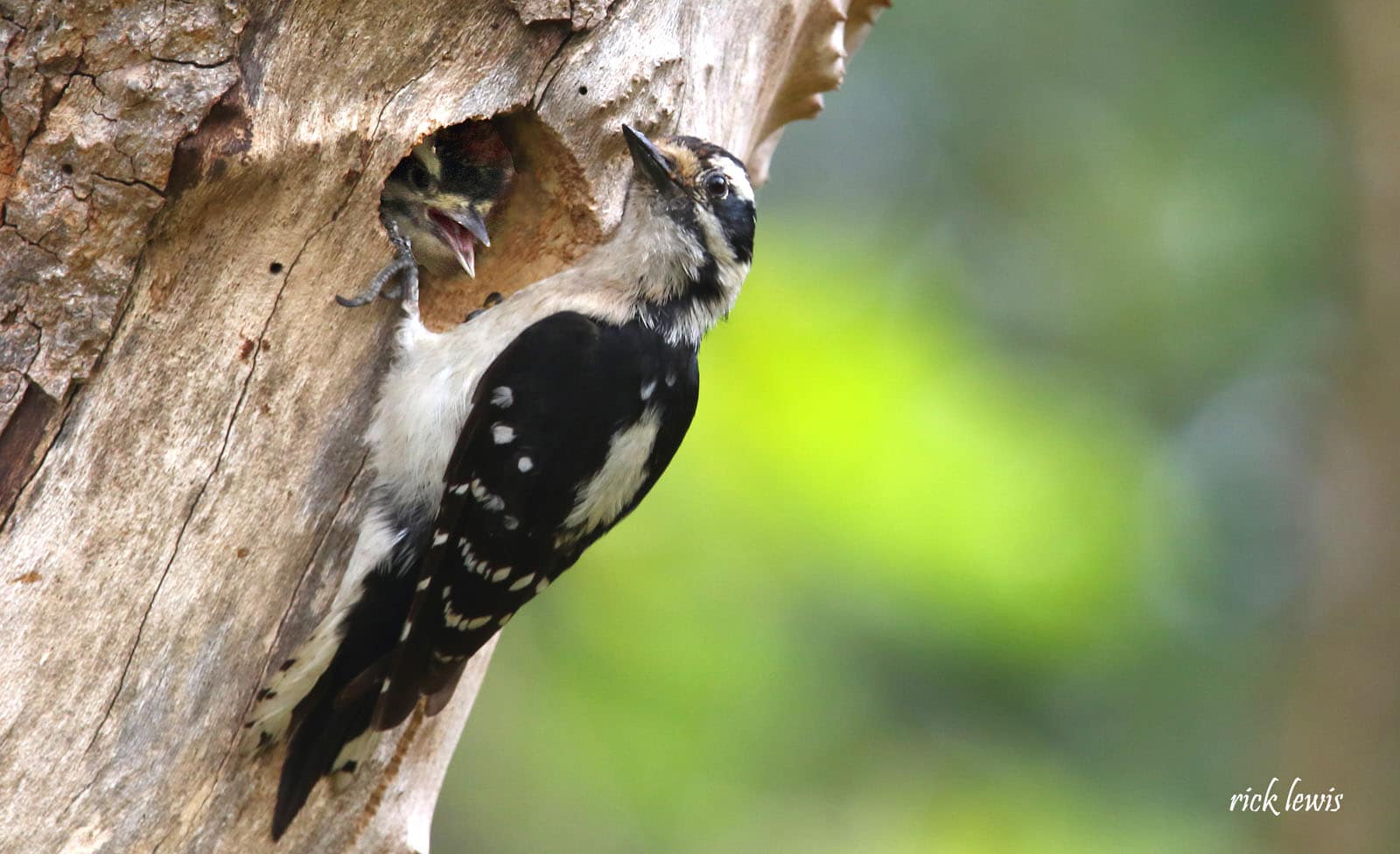
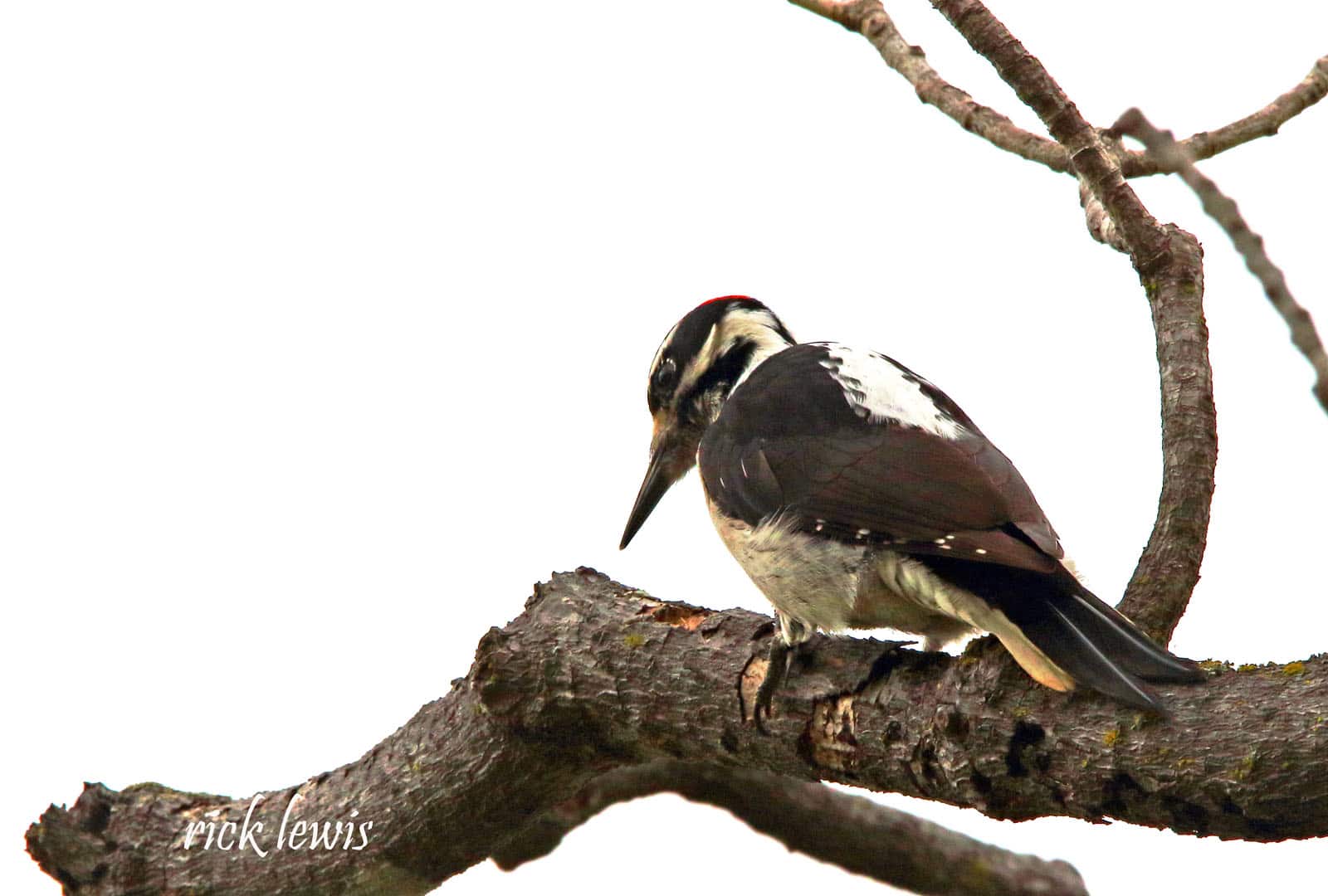
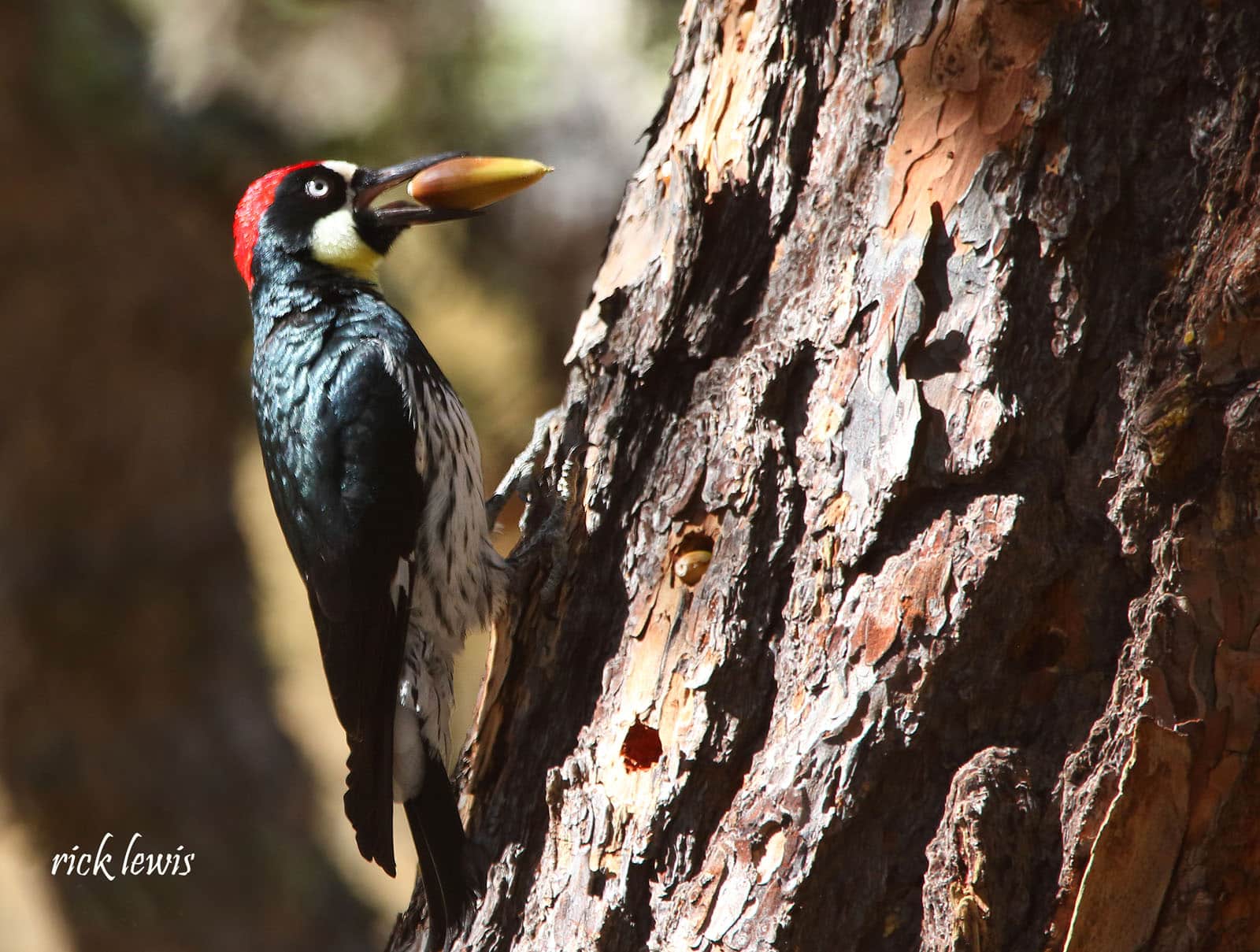
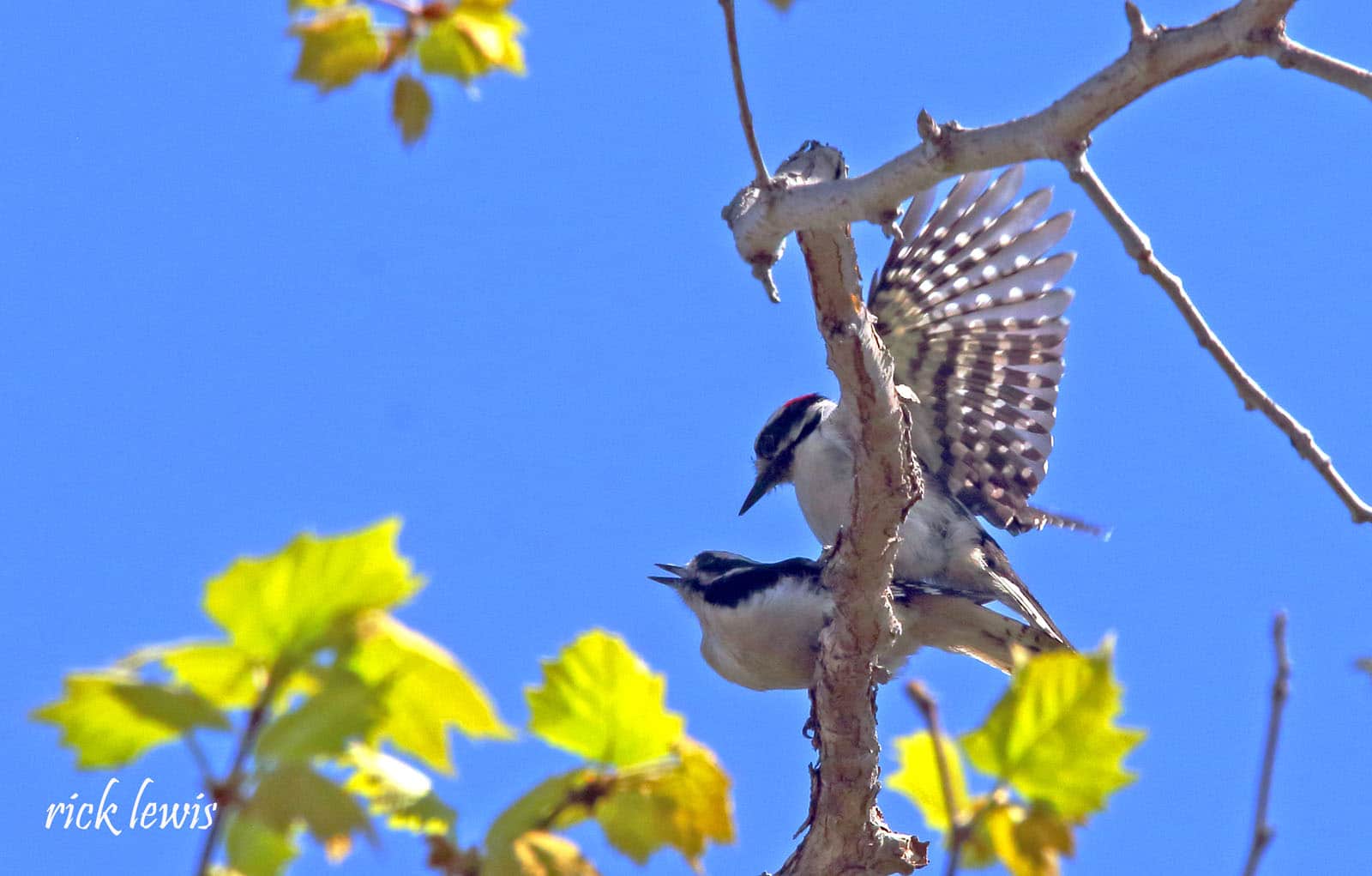
Nuttall’s, hairy, and downy woodpeckers all nest in holes in wood excavated with their strong beaks, and now acorn woodpeckers nest a few blocks away from Crab Cove. That’s right, at least four species of woodpeckers nest in Alameda around Crab Cove. Listen for their characteristic pecking sounds as they hunt for invertebrates under bark. During mating season, woodpeckers also engage in rapid and loud drumming to establish their territory and attract mates, much like other birds sing.
What about northern flickers? These large, striking woodpeckers with bright red feathers on the underside of their wings are a sight to behold. They spend winter at Crab Cove, but if anybody knows of nests in Alameda, that would be a great find!
Bluebirds
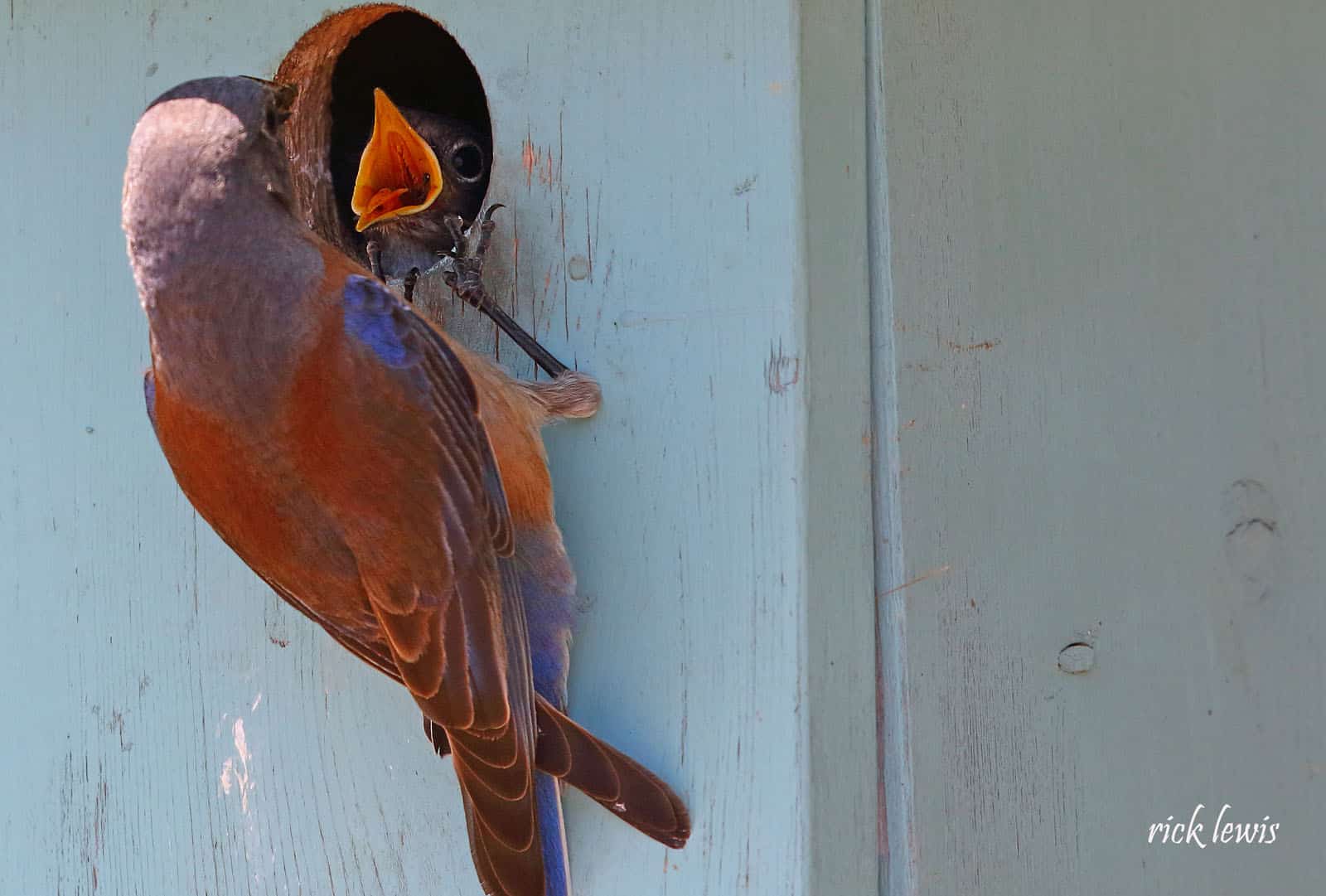
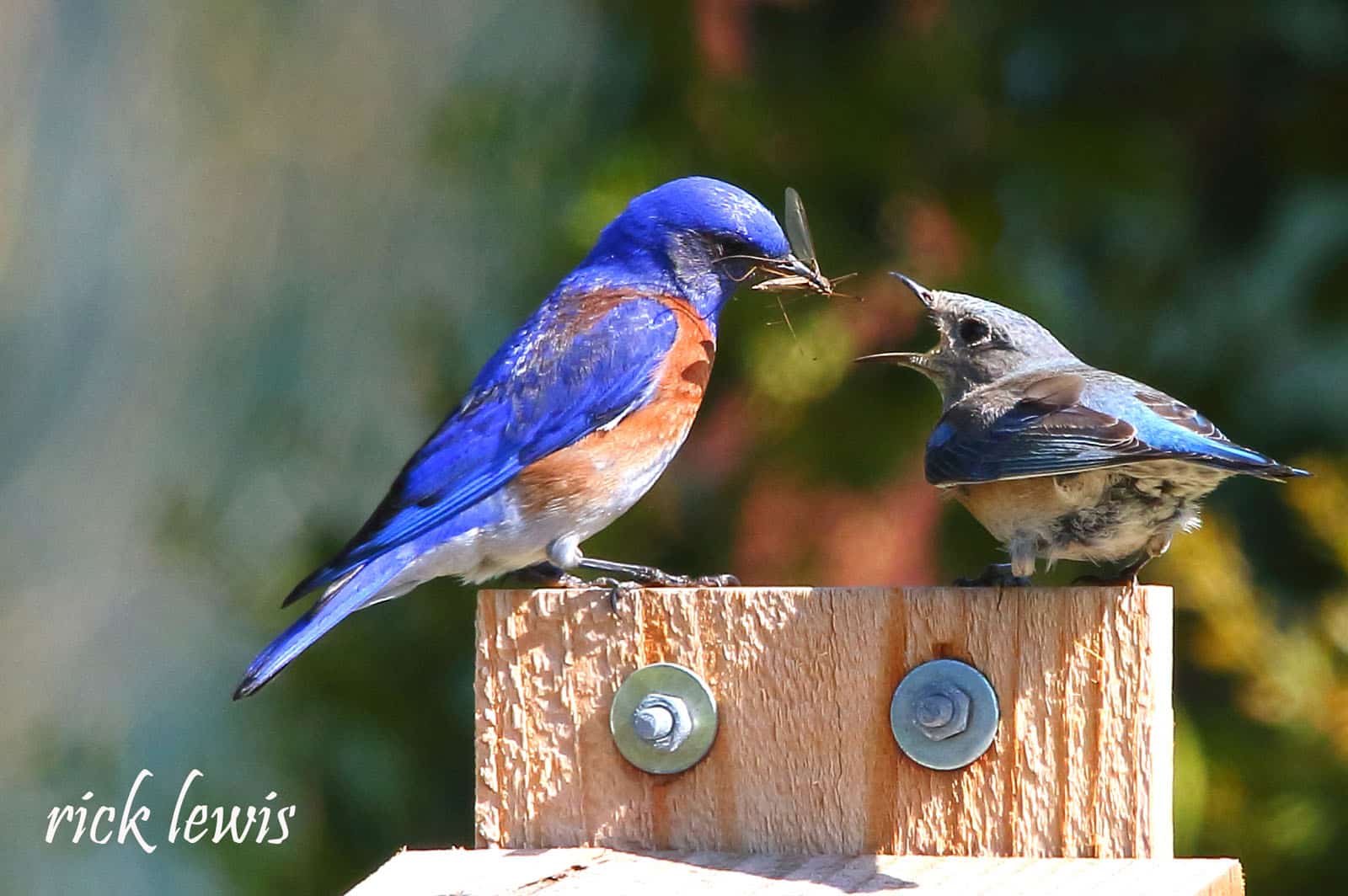
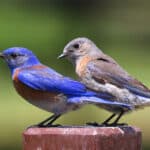
One of our most beautiful resident birds started nesting at Crab Cove in 2014, after nest boxes were installed in the area. Last spring, almost all the 20+ boxes were used by bluebirds and a few by swallows and other cavity-nesting birds. If you find an active nest, sit a distance away and enjoy watching as both parents constantly bring food into the nest to feed their babies. You can often hear the chicks chirping during feeding time, eagerly begging to be fed.
Nuthatches
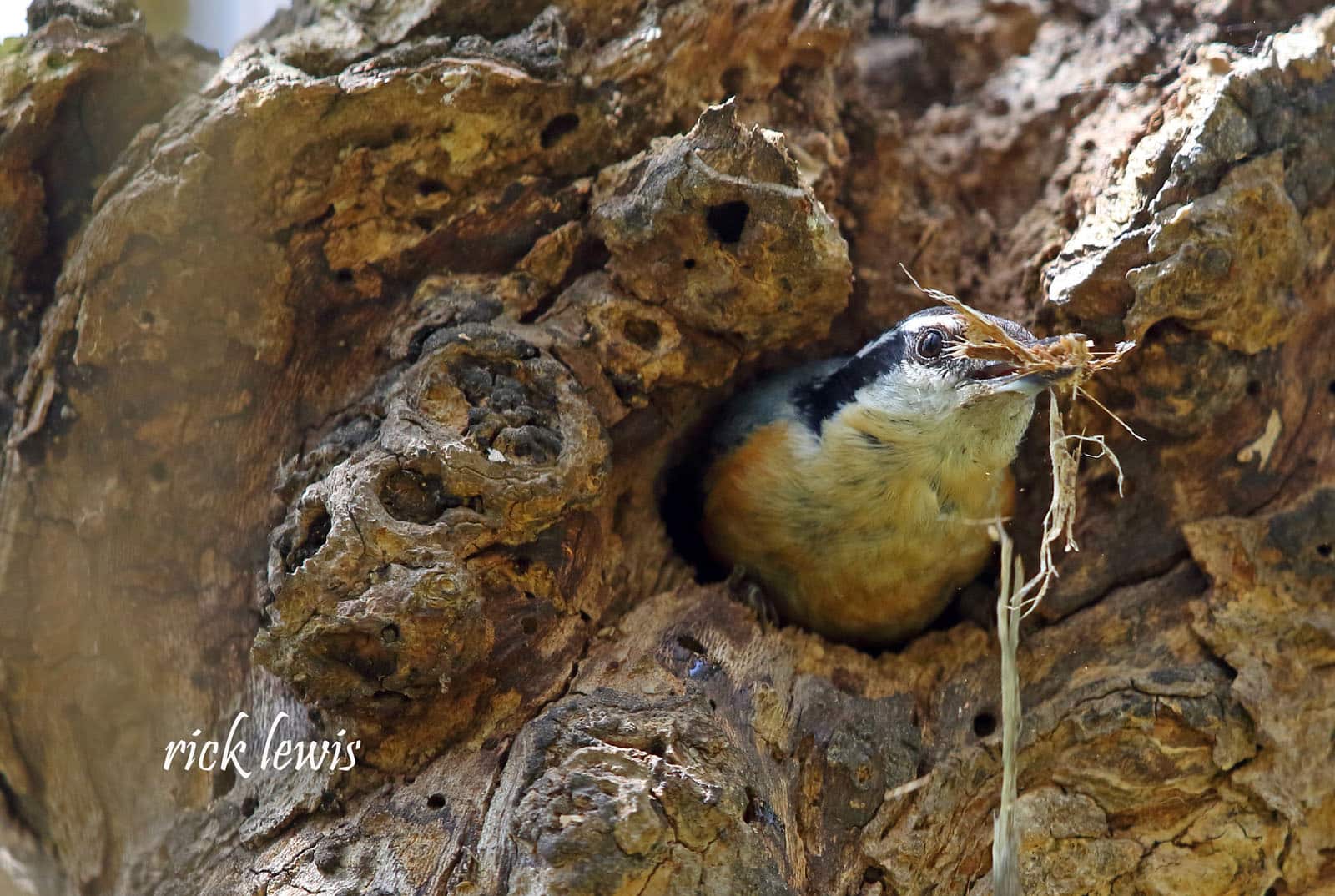
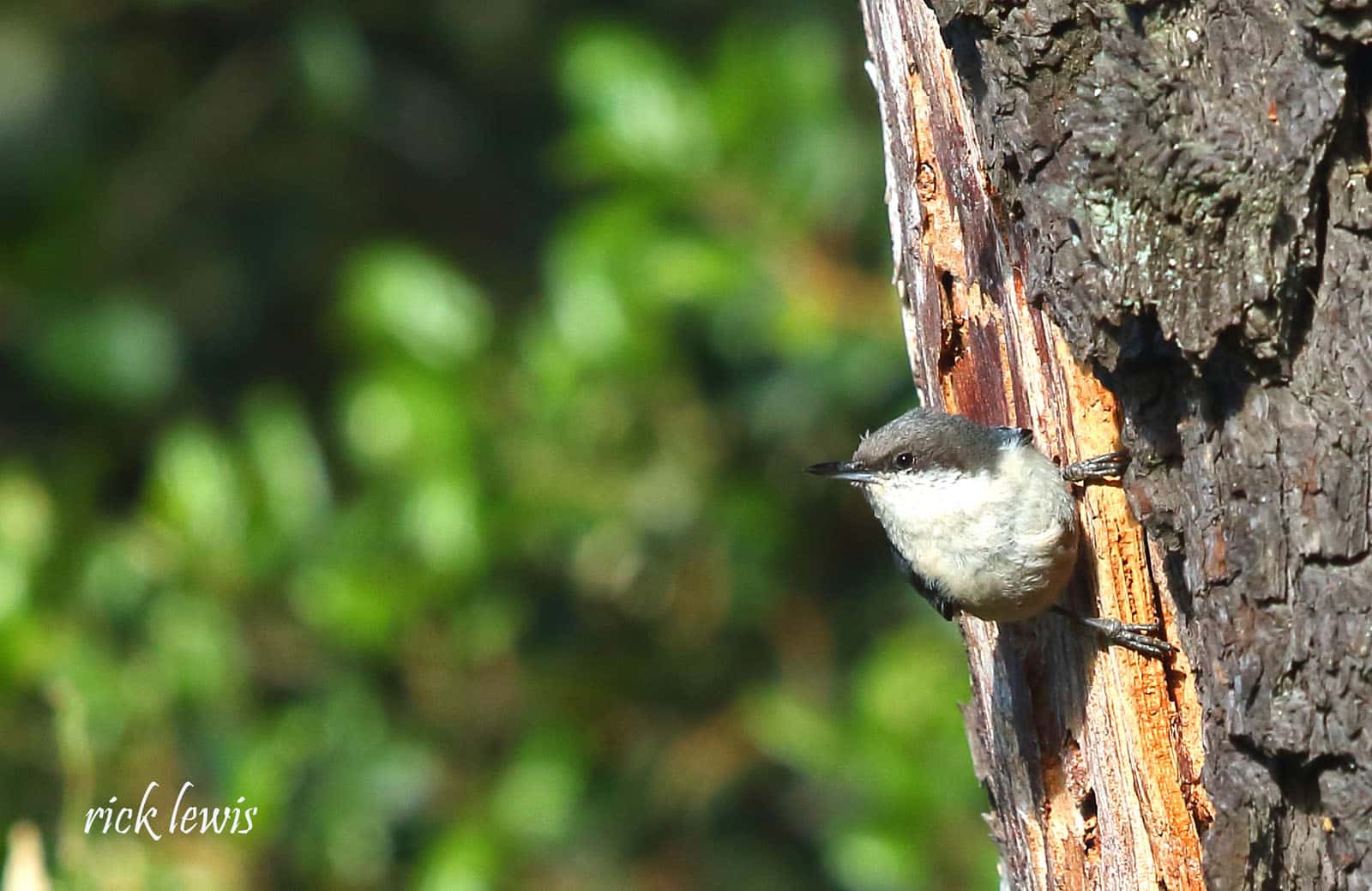
Red-breasted and pygmy nuthatches are two entertaining species to watch and listen to. Eating mostly invertebrates, nuthatches climb down trees and sometimes wood buildings, probing into cracks for food with their narrow beaks. They are cavity nesters, so watch for their holes in trees!
Bushtits
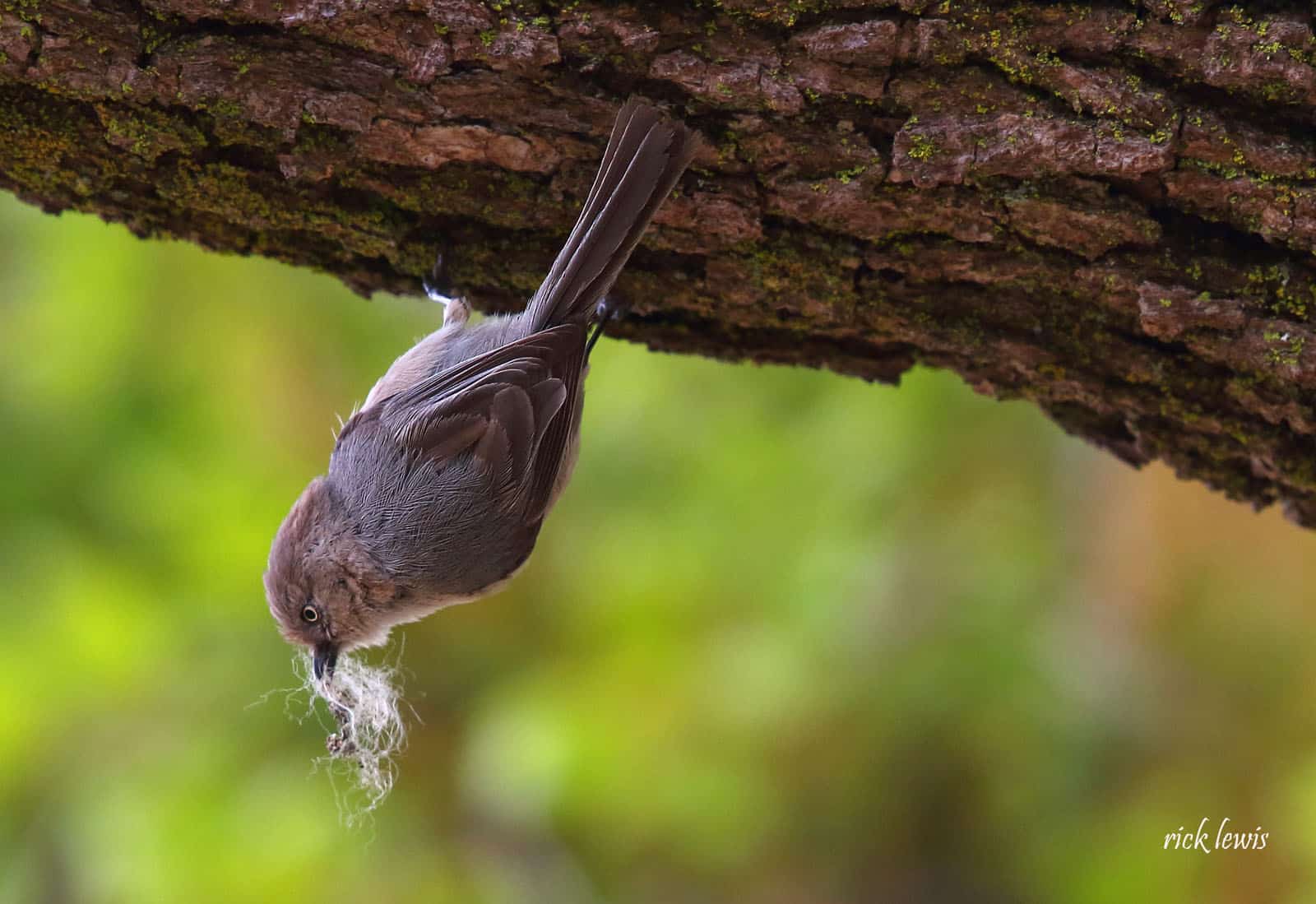
These small birds make fascinating nests that resemble extra-long socks with the opening on top. Constructed mostly of local plant material, they are expertly camouflaged in shrubs or trees. At Crab Cove, we have discovered previously used bushtit nests in bushes that we pruned in the fall.
Mallards and Canada geese
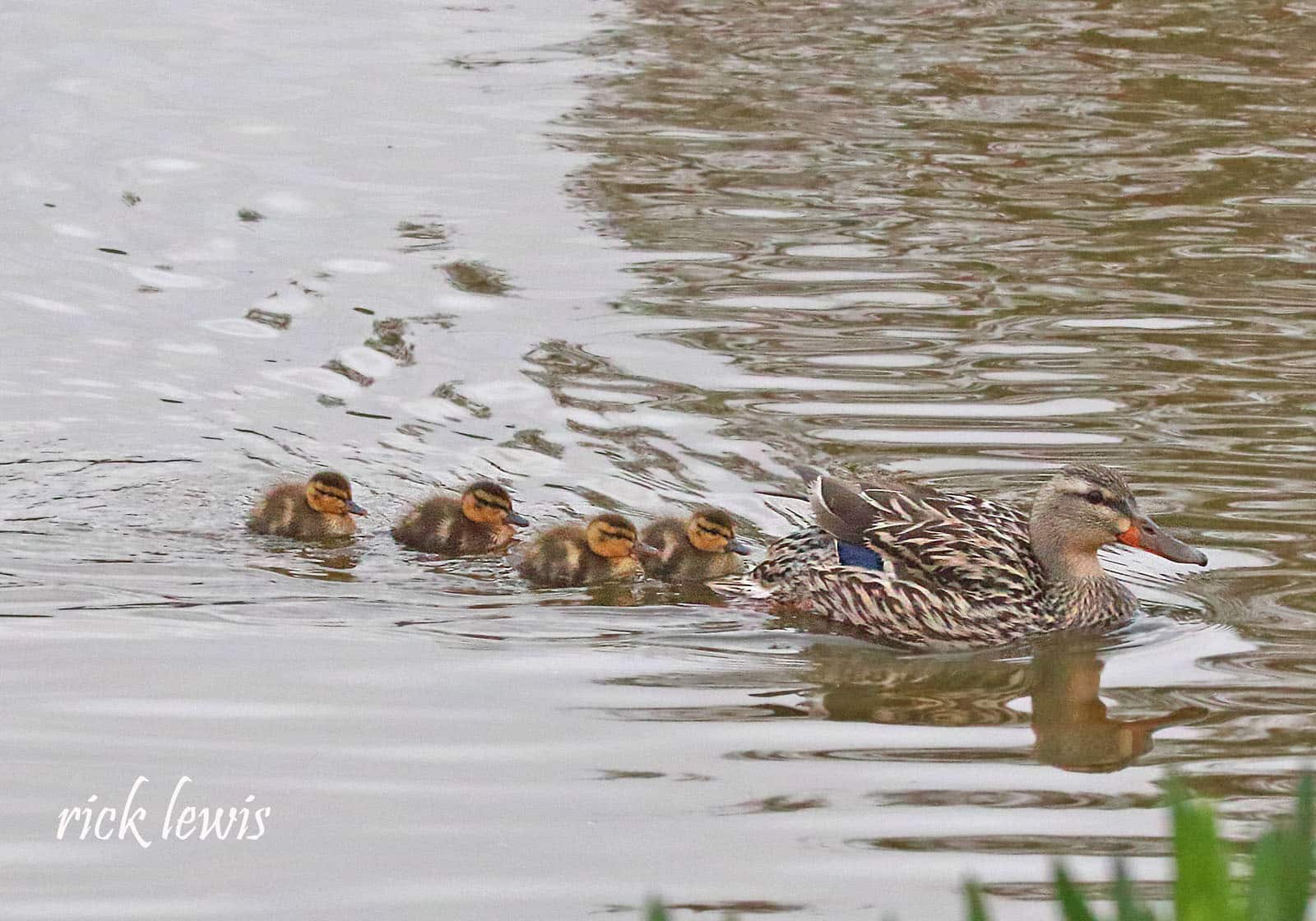
Want to see baby ducks and geese? Visit the Crab Cove Pond in May! Mallards (the most common species of duck) make nests on the ground. The mother, who provides the parental care, remains motionless when incubating eggs, her speckled brown feathers camouflaging among the surrounding plants and dirt. We have accidentally discovered duck nests in the gardens very close to the Doug Siden Visitor Center. When watching baby ducks at the pond, be aware that their survival rate is low due to predators such as herons, egrets, hawks, gulls, racoons, cats, and dogs.
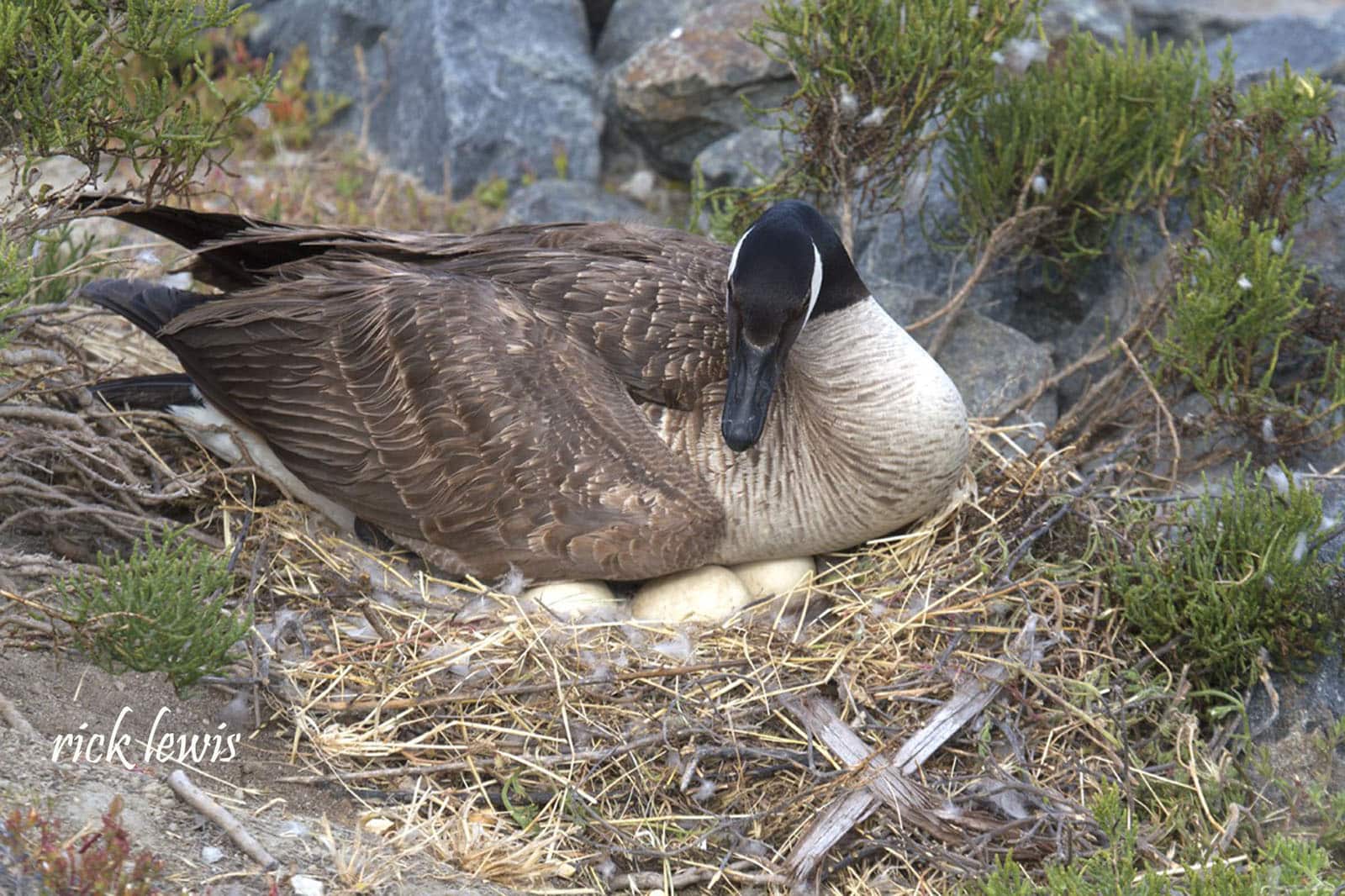
Canada geese also nest on the ground. While we have never found a nest close to the Visitor Center, they must be nesting somewhere nearby because, starting around late April, their new families can be seen “mowing and fertilizing the lawn” at Crab Cove—yes, they eat grass and poop a lot. The survival rate for goslings (baby geese) at Crab Cove is generally much higher than for ducks because both large parents protect them. However, in areas with larger predators such as coyotes, mountain lions, bears, and eagles, the survival rate for babies is not nearly as high as in Alameda.
Black phoebes
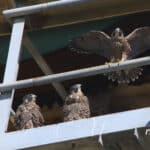
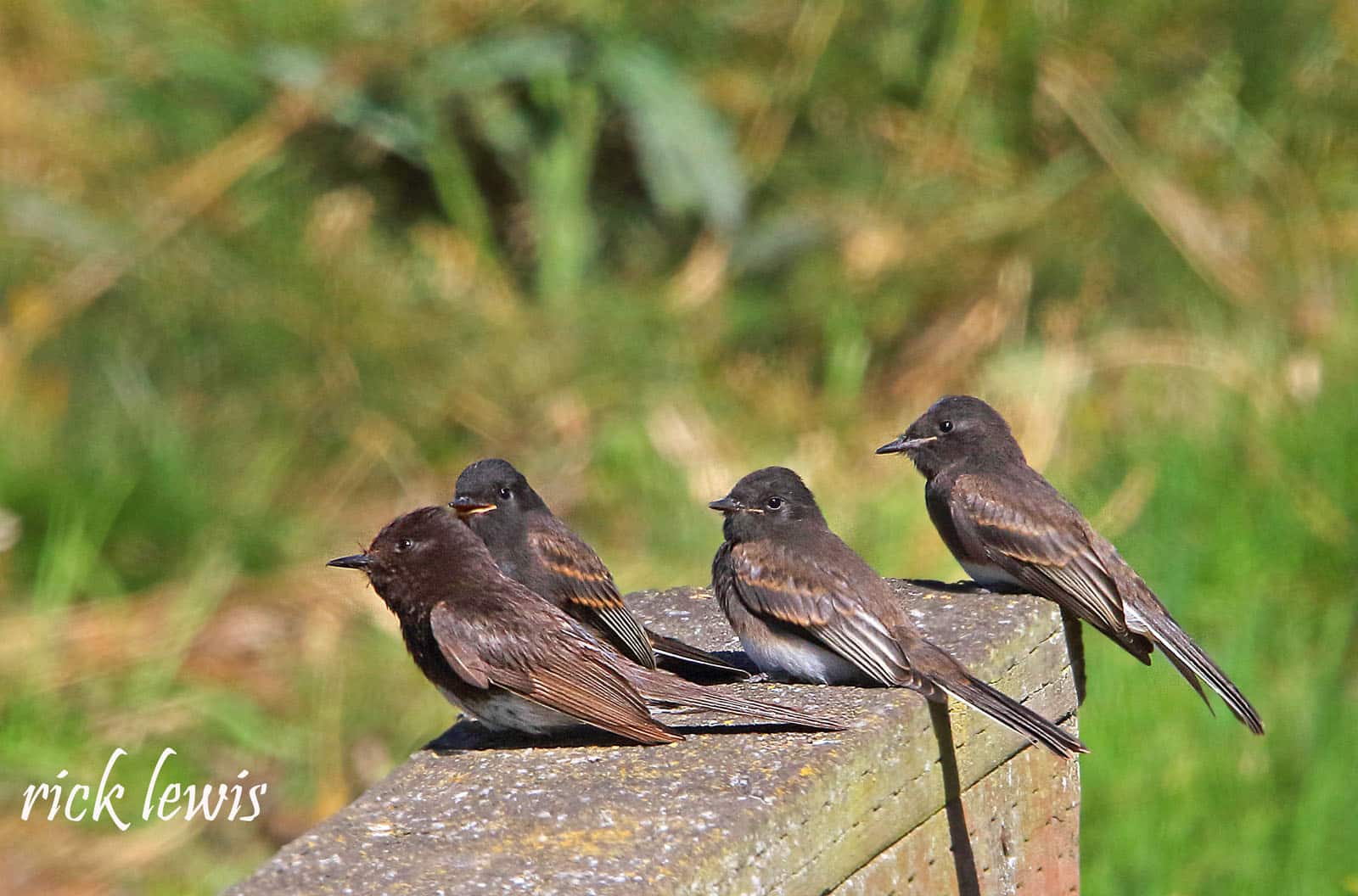
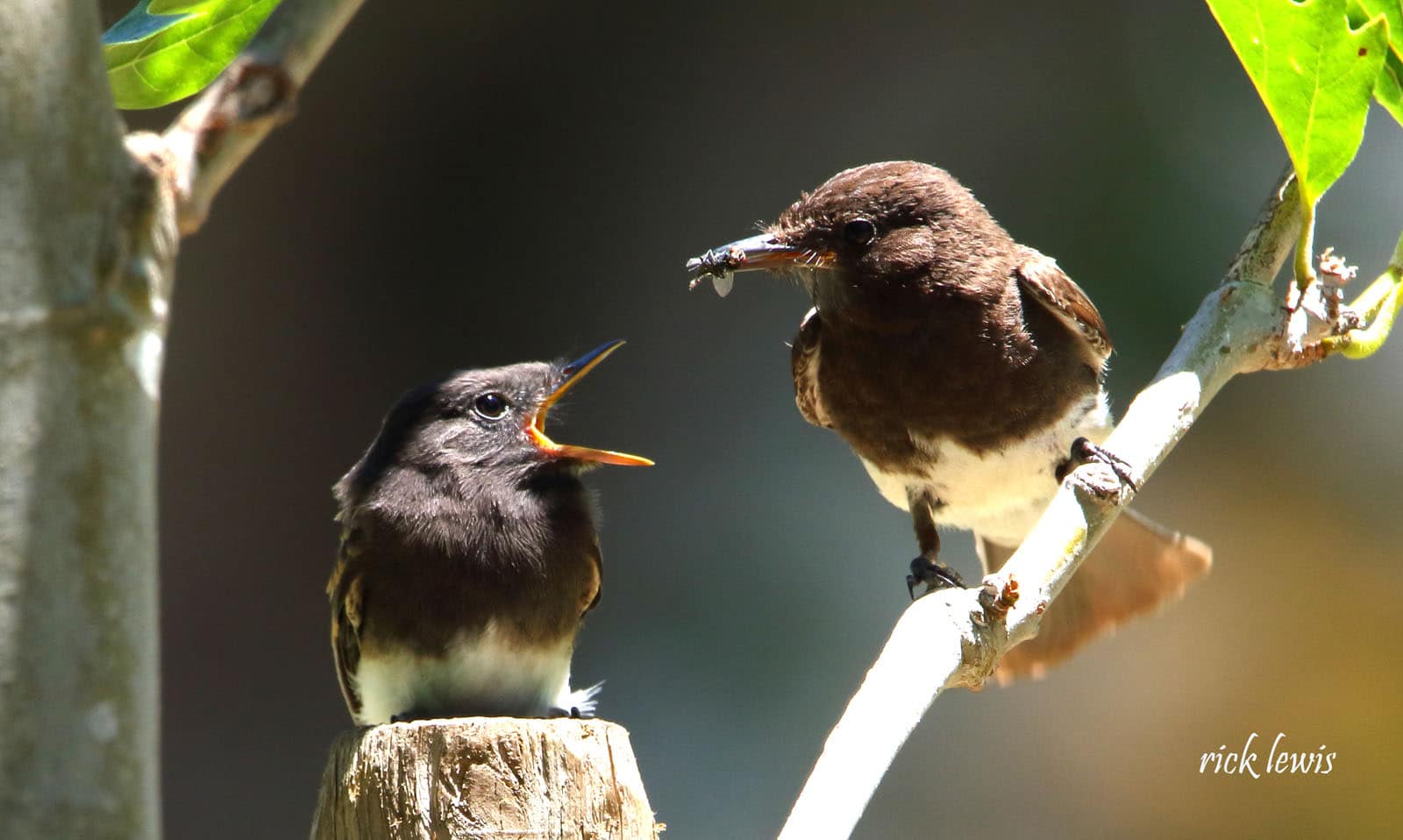
If you are new to birdwatching and want some entertainment, look no further than the black phoebe! These birds flick their tails and chirp while scanning the area for flying insects, which they acrobatically catch in the air before landing on the same or nearby perch. Over many years, a pair has nested on the underside of the deck at the Crab Cove pond. Though you cannot see the actual nest, you can watch the parents constantly flying around and then swooping under the deck where they feed what they have caught to their babies.
Green herons
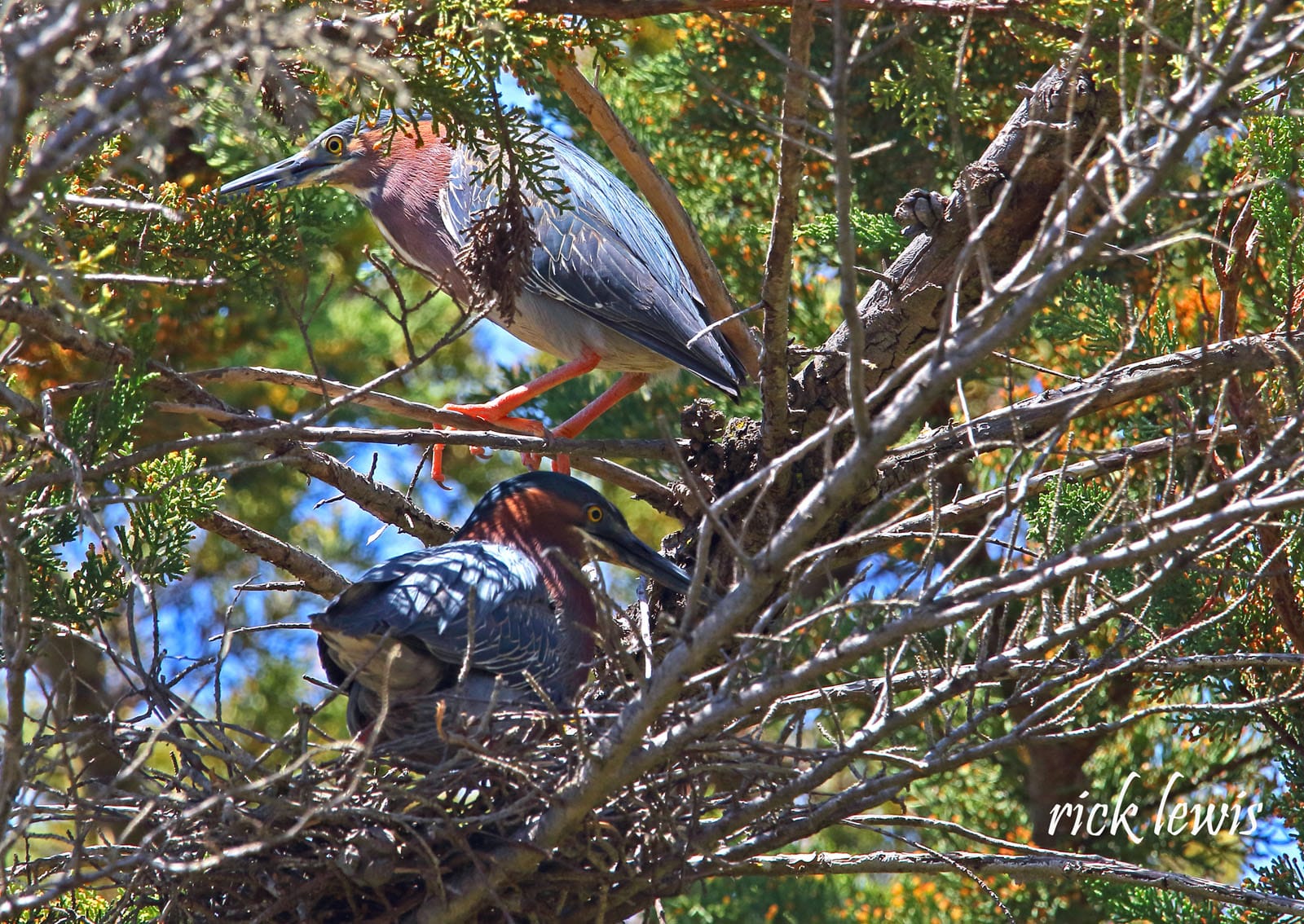
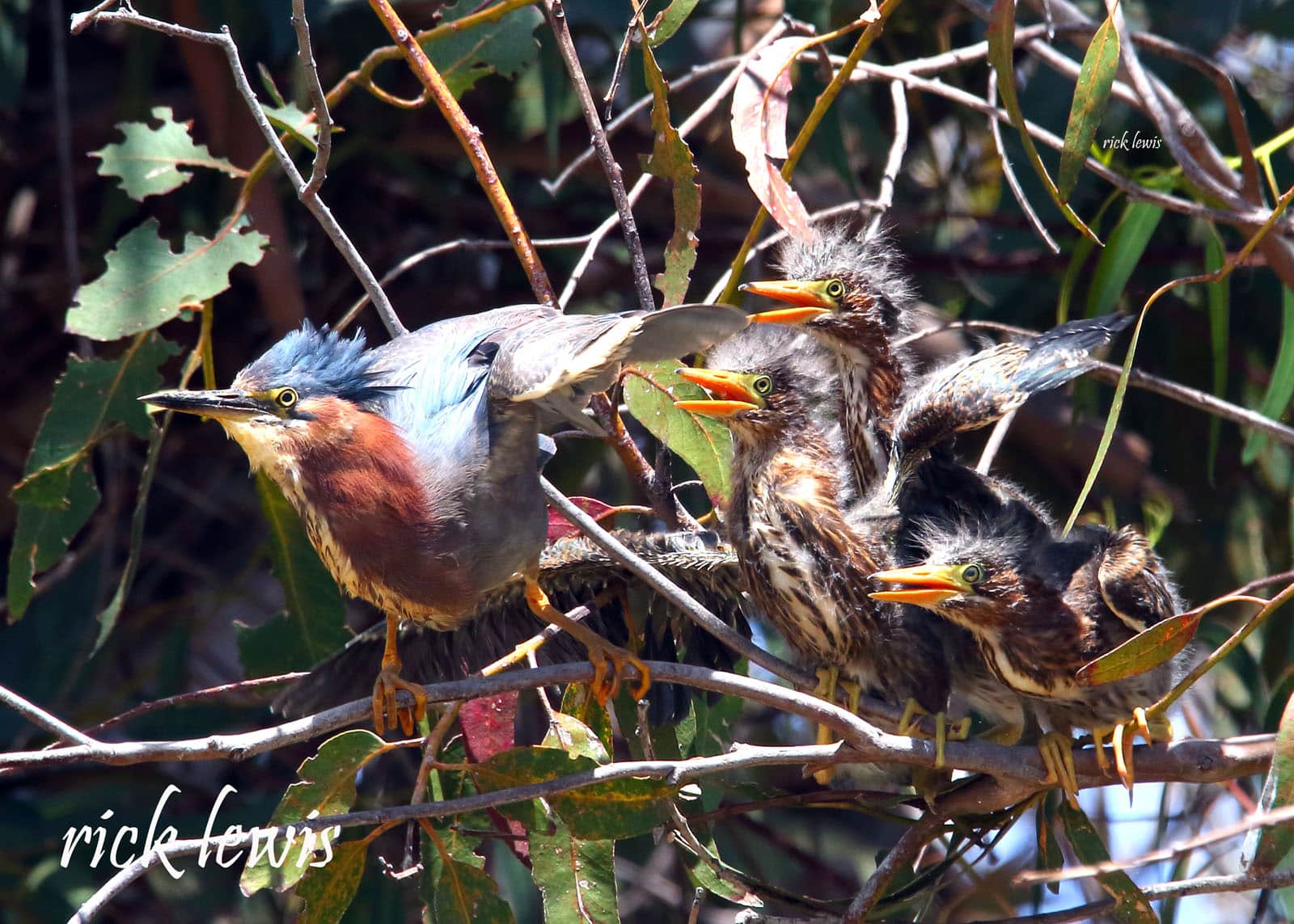
For the past five to six years we were thrilled to watch a single green heron hunting in the Crab Cove pond during the winter, but it would always go elsewhere during nesting season. Last spring, however, a pair of green herons built a nest in a nearby Monterey cypress tree—potentially the first time since the pond was created in the 1960s. Although the nest was unsuccessful, the fact that they chose the pond as their nesting area is encouraging news about the importance of the habitat.
Anna’s hummingbird
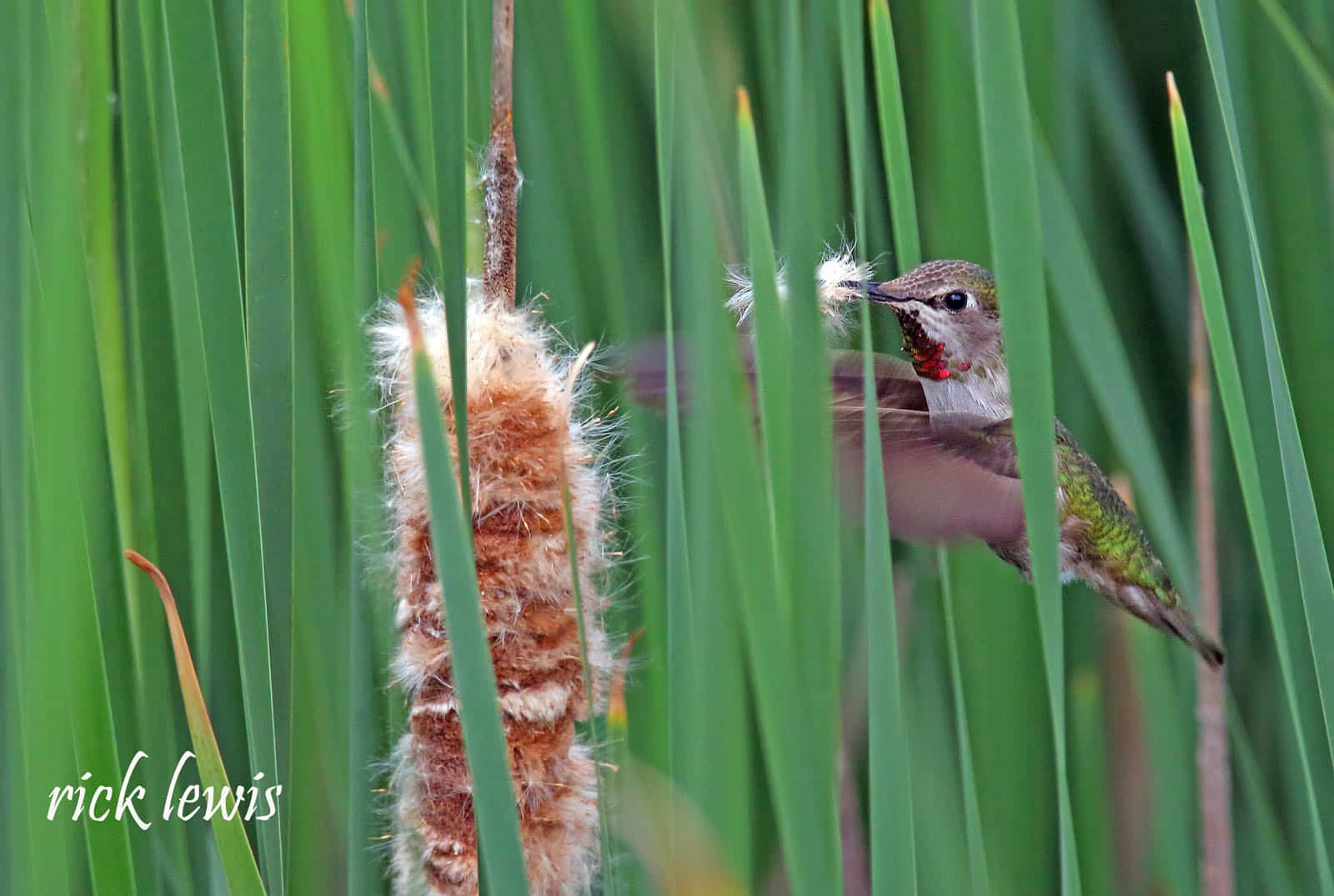
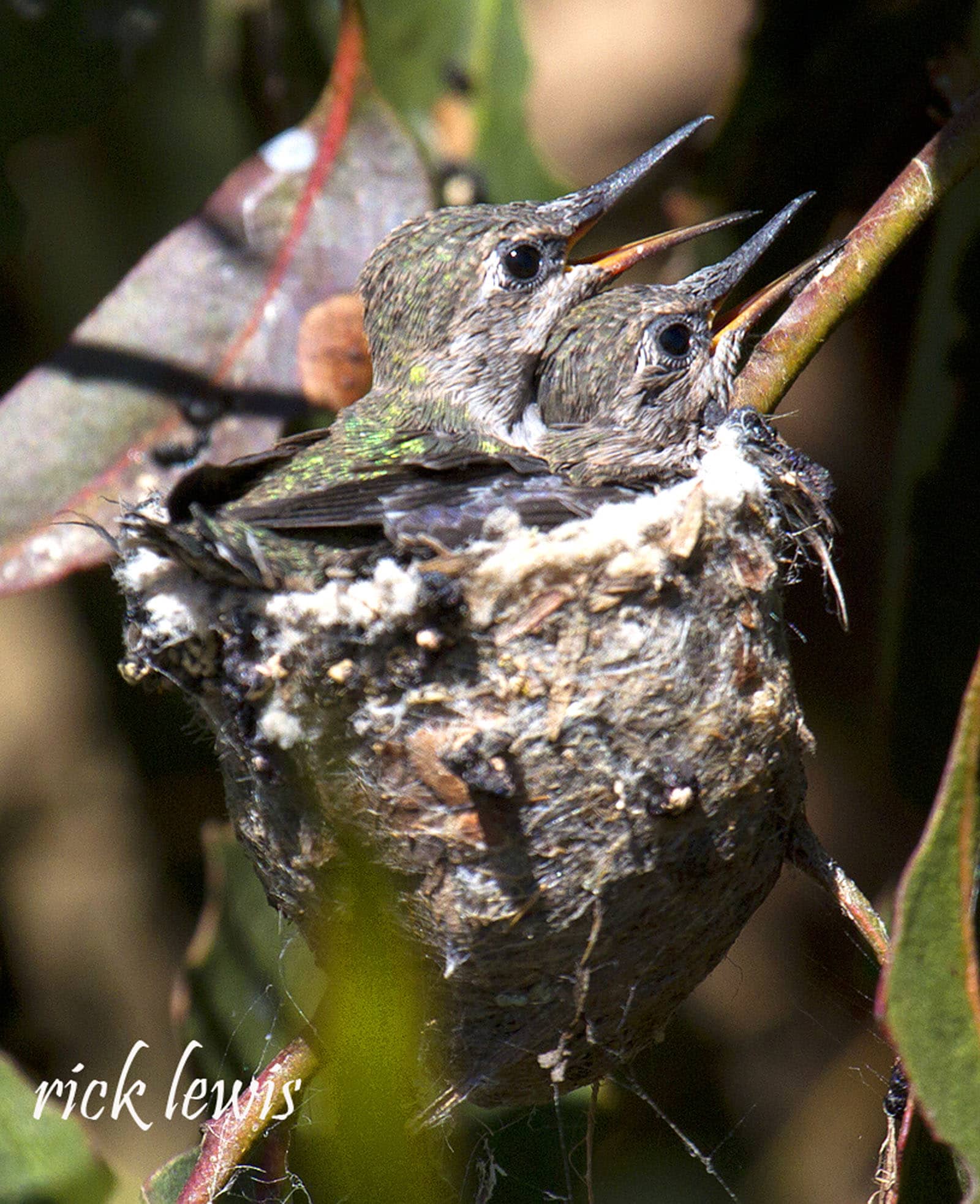
The smallest bird in the area, Anna’s hummingbirds, also have the smallest nests. They are beautifully camouflaged on shrubs, trees, and buildings, lined with spider webs and bits of plant material. You are most likely to find the nest by carefully watching females, who provide all the parental care. Once babies have hatched, the mother hummingbird frequently flies back and forth, feeding them to fuel their incredibly fast metabolism. To spot the nest, you will likely need binoculars and a keen eye.
Crows
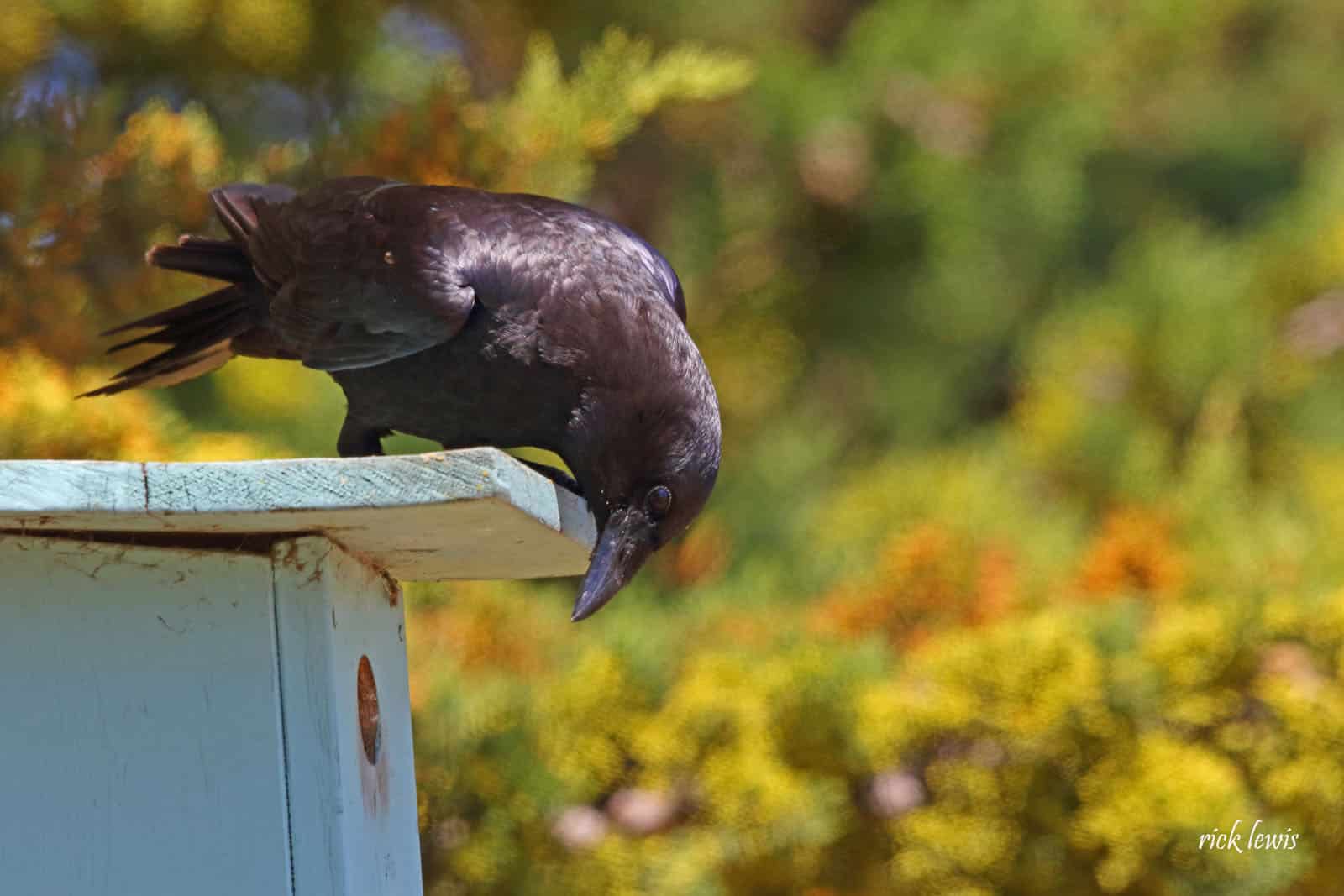
Look high in trees for crow nests. Crows are among the smartest birds around, second only to ravens. They are omnivores and eat just about anything. Most people recognize the loud “caw caw caw” of adult crows, but once the babies leave the nest, they are quite noisy in their own way begging their parents for food.
Bewick’s wrens
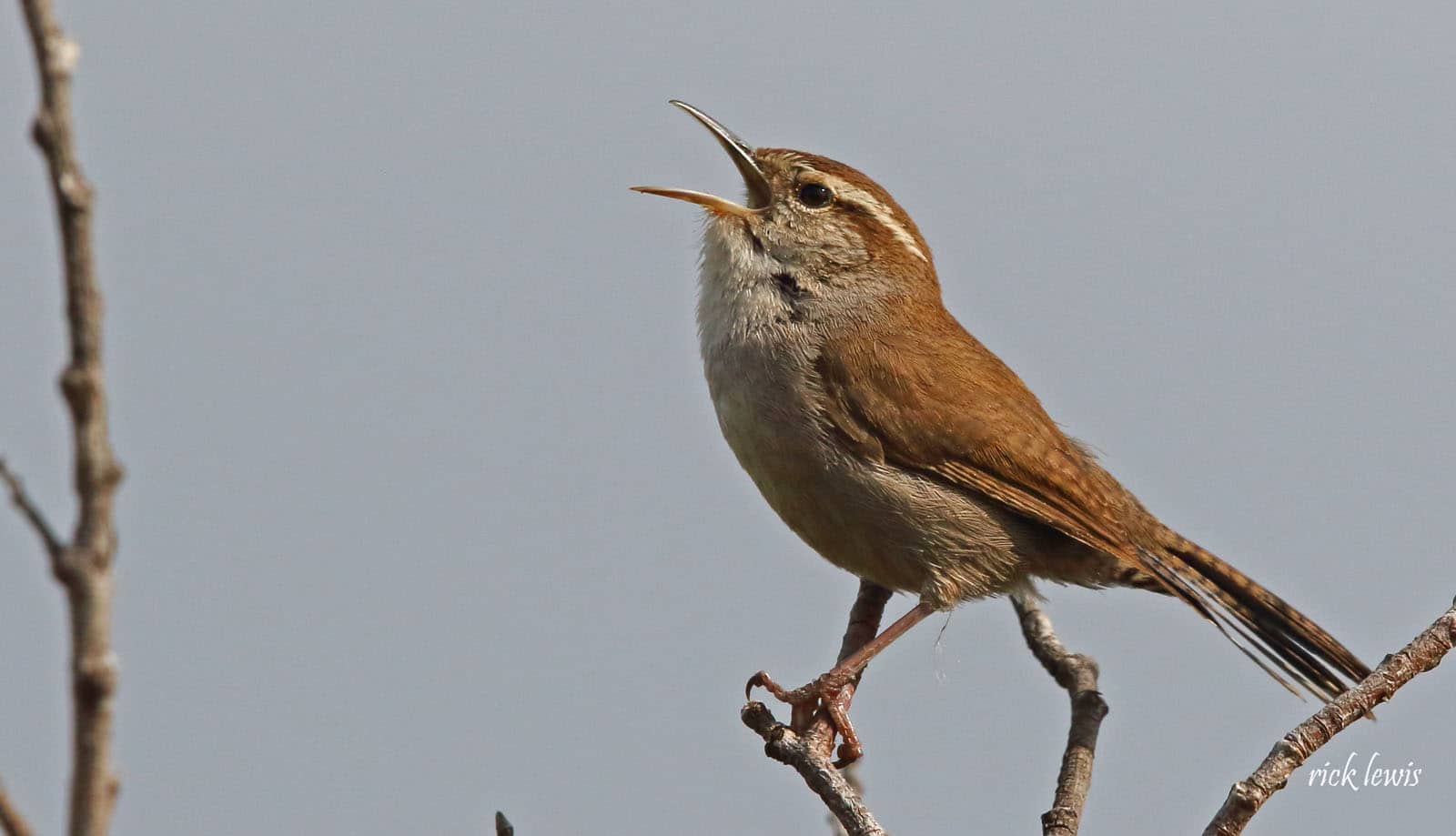
One of the more entertaining birds to watch and listen to, Bewick’s wrens, energetically flit about trees, bushes, and buildings, searching for insects, spiders and other things to eat. They will nest in cavities, on ledges, or even in wood piles. If you want to possibly help this bird, consider installing a few properly sized nest boxes into your yard. Both parents take care of the babies.
If you find a clumsy-looking bird on the ground with regular-sized flight feathers, it is likely a fledgling (recently left the nest for the first time). It is common for fledglings to land on the ground, and yes, this is a very risky time for them. Most are still being fed by their parents, so please keep observing from a distance since this is all part of their journey to adulthood. If you see a cat nearby, try to scare it away because outdoor cats kill millions of birds annually in the United States.
All of the birds described above are just some of the many birds nesting around Crab Cove! Stay tuned for next spring’s article, where we will highlight even more of our feathered friends. We encourage you to visit Crab Cove, other East Bay Regional Parks, and certainly your own neighborhood green spaces to watch birds and hopefully observe them nesting.
For more information about birds, including how to protect them, visit the website of the Golden Gate Bird Alliance website.
Michael Charnofsky is a Naturalist with the East Bay Regional Park District, based at the Doug Siden Visitor Center at Crab Cove, Crown Memorial State Beach in Alameda.
This article is part of a series from the Friends of the Alameda Wildlife Reserve (FAWR), a Conservation Committee of the Golden Gate Bird Alliance (GGBA, formerly Audubon). Learn more about FAWR at www.goldengatebirds.org.
