The sister-house edition
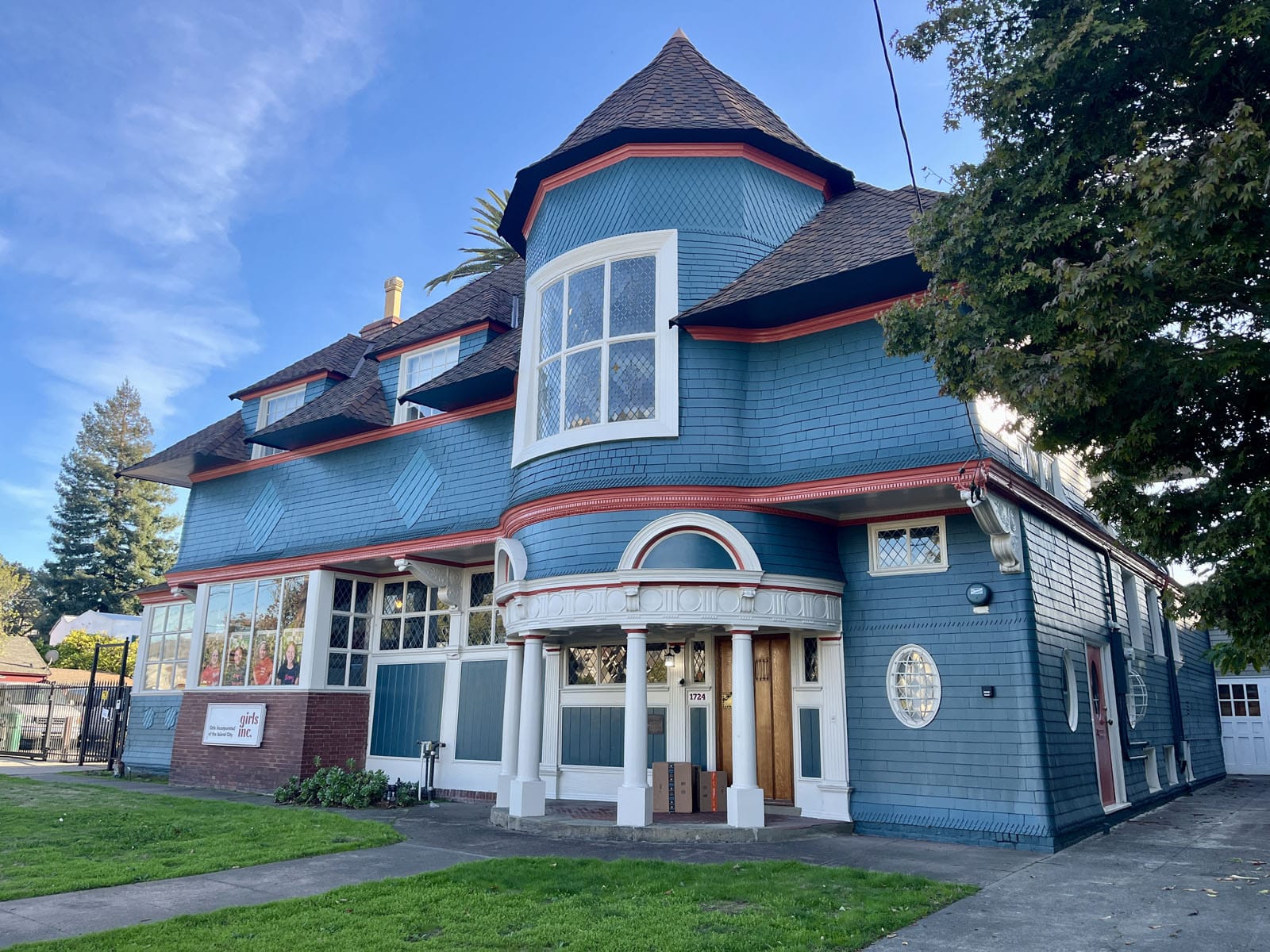
Over the past four installments of this series on the unique house at 1724 Santa Clara Avenue, we’ve traced its earliest history back to 1891 when retired dentist and pharmacologist David Greenleaf (1827-1893) had the home built for himself and his family. He hired British-born architect Ernest Coxhead (1863-1933) to design a home that combined elements of Queen Anne, Shingle, and Arts & Crafts styles, resulting in a home unlike any other in Alameda. While you won’t find another house quite like it in Alameda, there is another town in the Bay Area, one with almost the same population (about 79,000) and historic preservation community as Alameda, where a sister-house to the Greenleaf house exists.
Field trip
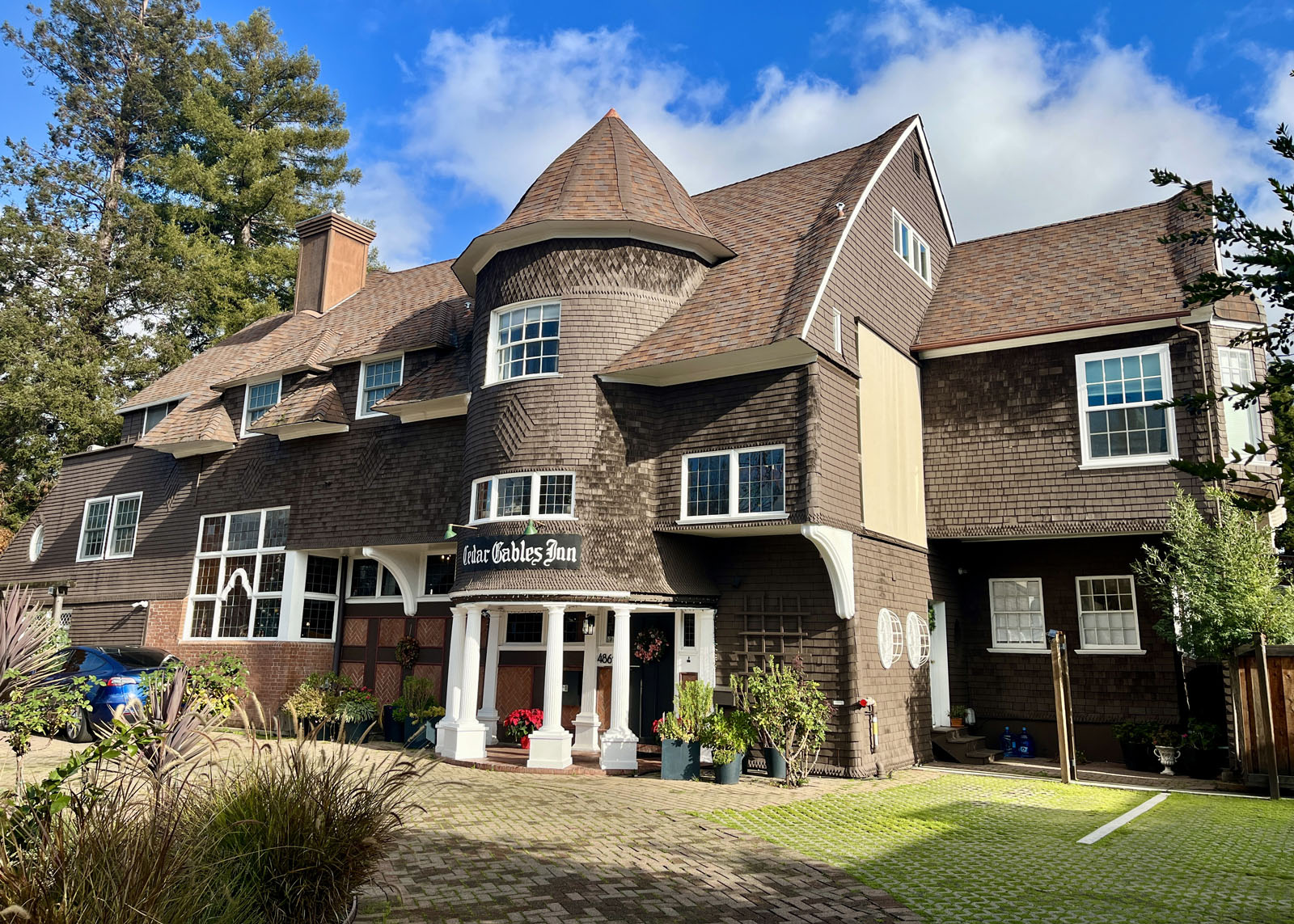
During my research into Alameda’s Greenleaf House, I discovered that architect Ernest Coxhead designed another house using the same plan, in 1892, for Napa businessman Edward S. Churchill. Like the Greenleaf House (today’s Girls, Inc. building), it was also originally designed as a single-family home and was later adapted for a more public use. The house in Napa is known today as the Cedar Gables Inn, and while there are some good photographs available on the inn’s website, I decided that an in-person visit would be necessary to properly cover this story for Alameda Post readers. So, on a recent weekday in December, my wife Edie and I packed our overnight bags and headed up to Napa to spend a day and night at the Cedar Gables Inn.
The Churchills
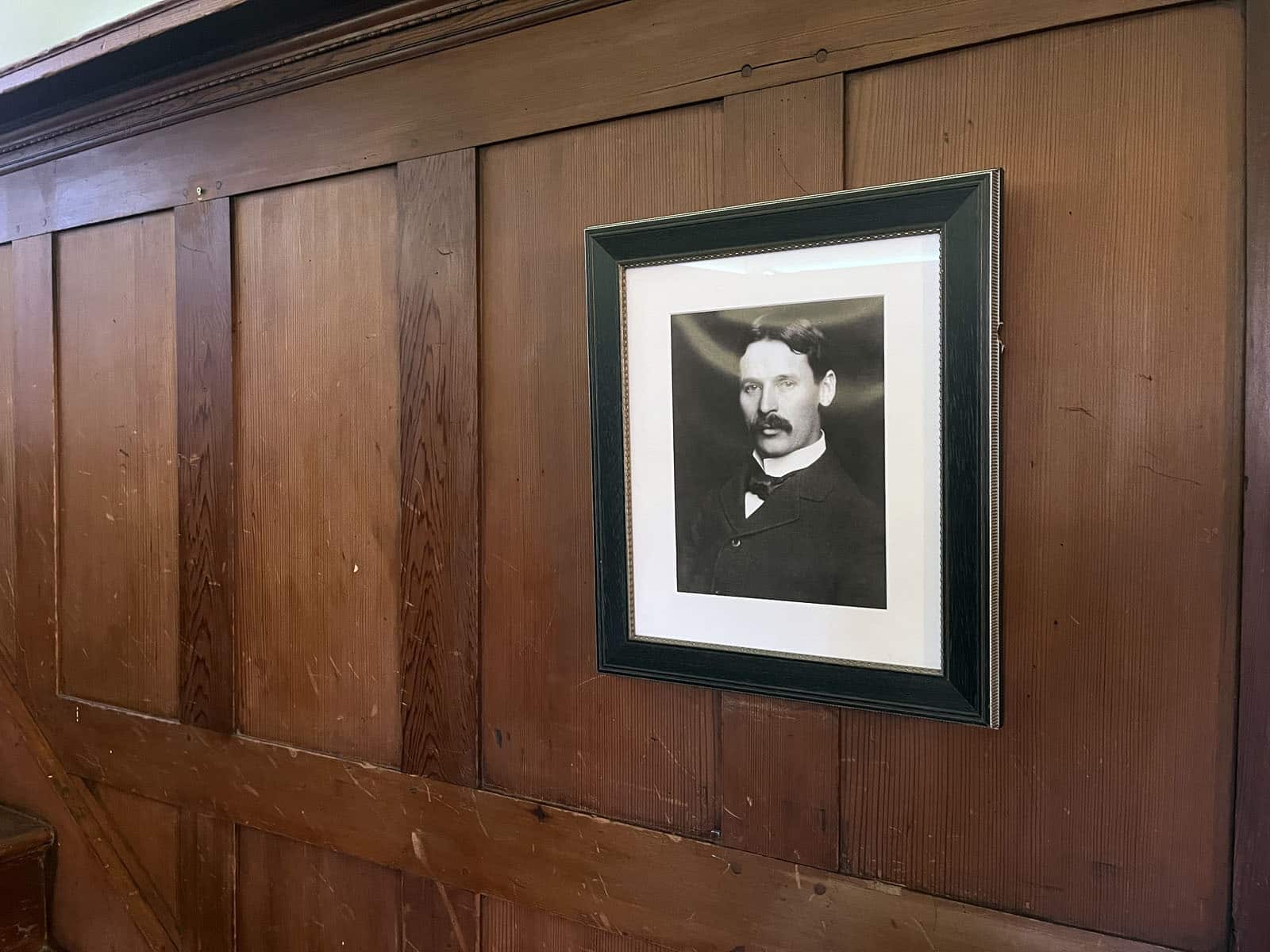
Edward Seward Churchill (1842-1903) hailed from Rochester, New York. In 1868 he married Mary C. Wilder (1844-1929), and they had two children, Edward Wilder Churchill in 1870 and Mary Louise Churchill in 1872. In 1875 the family moved from Rochester to Napa, California, where Edward S. Churchill took a position with the James H. Goodman bank. Upon the death of James Goodman in 1888, George Goodman (James’ younger brother) and Edward S. Churchill became the two major stockholders, each holding equal shares in the bank. In 1917 the James H. Goodman & Co. bank was sold to the Bank of Italy, which later became Bank of America. Along the way, Edward S. Churchill became a wealthy man, with the means to build two noteworthy homes in Napa, which we will be exploring in this article.
Churchill Manor
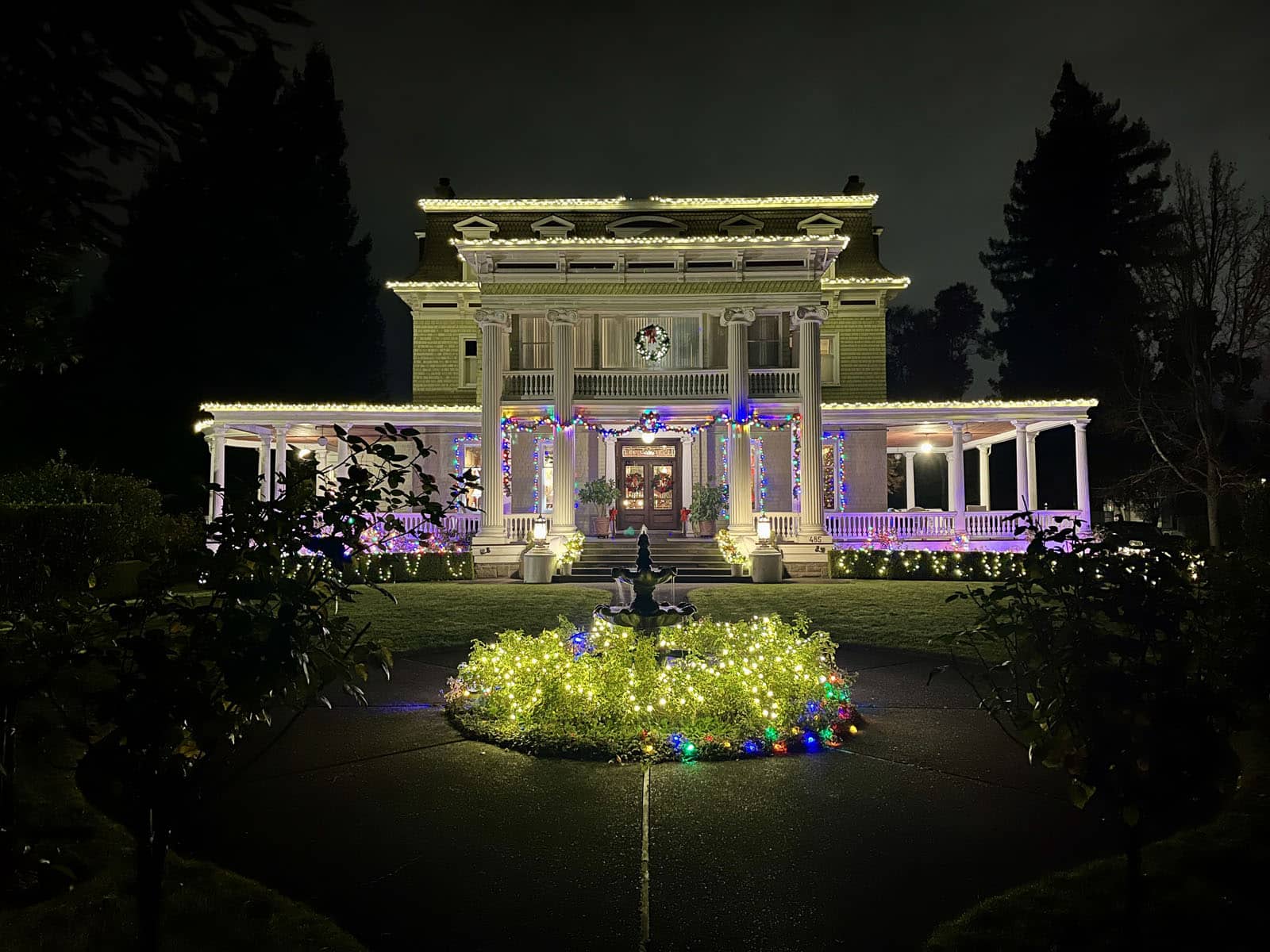
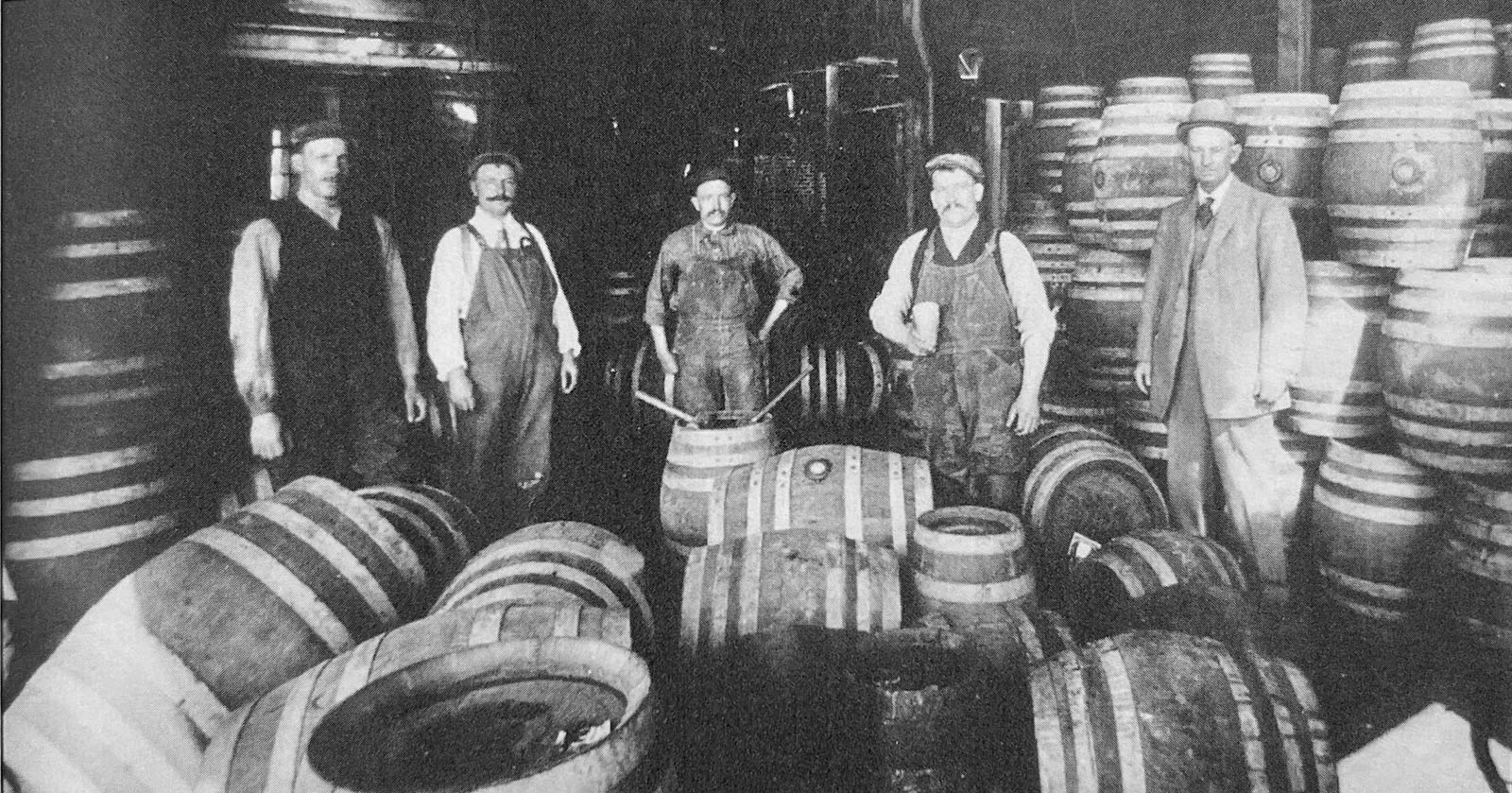
By 1889 Churchill was successful enough that he was able to have a magnificent mansion built near the Napa River on what was then called Main Street (today’s Brown Street). The river was a center of commerce at that time, and an active steamship route from San Francisco, bringing many visitors up to attend grand parties at Churchill Manor. Churchill’s home was a three-story mansion built in the Second Empire Style, including a signature Mansard roof and a central tower. With nearly 10,000 square feet of interior space, Churchill Manor was thought to be the largest residence built in Napa during the 1800s. In addition to banking, Edward S. Churchill also owned the Golden Ribbon Brewery of Napa, along with the To-Kalon Vineyard near Rutherford.
Cedar Gables
Just a few years after completing his own mansion, Edward S. Churchill had another grand home built on his property, in the backyard facing Coombs Street. This home was to be a wedding present to his son Edward Wilder Churchill and his new bride Alice Ames Churchill. Churchill Sr. had become aware of the noted architect Ernest Coxhead, and was impressed by the design of the Greenleaf House in Alameda. Coxhead applied that same design to the wedding-present house that would come to be known as Cedar Gables, after its distinctive shingle style and multiple gables.
Edward Wilder Churchill had followed his father into banking and later transitioned into the family vineyard business. The young, wealthy couple held many balls and receptions in their new Cedar Gables home, and in 1905 built an extension onto the already large house. It is not known whether this addition was also designed by Coxhead, but it increased the size of the already large house by up to a third. A historical document viewed at today’s Cedar Gables Inn states that, “Research has not revealed contemporaneous evidence that Coxhead designed the addition, and although its basic form and materials are compatible with the original house, subtle features suggest a lesser designer.” Subtle differences listed include a non-matching roofline, window placement and style, and a lack of formal interior connection between the new upper floors and the original building.
I would also add that the front elevation massing at the north (left) side of the building is a bit out of character with the rest of the building. A small setback here would have helped balance out this addition. Nevertheless, the building as it stands today is a significant contributor to the Napa historic community, and serves as an excellent example of the work of an important architect of the late 19th century. The fact that it still stands in such splendid condition is something to treasure and celebrate.
Mistake leads to death
Edward Seward Churchill died unexpectedly in 1903. He had been suffering from “la grippe” (akin to the modern-day flu) and had been bedridden for days in his Churchill Manor. He went to the medicine cabinet looking for a pain killer, but in his delirious state grabbed a bottle of carbolic acid (used as an antiseptic) and drank it. While doctors were called immediately, Edward died from heart failure before reaching the hospital. He was just 60 years old. In his lifetime, though, he had achieved great success for himself and his family, and built two beautiful Victorian-era homes that still stand today, back to back, as contributors to the Napa Abajo Historic District.
Life goes on
After Churchill Sr.’s death, his widow Mary Wilder Churchill continued living in the manor, with her son, daughter-in-law, and granddaughter Dorothy living right behind her in Cedar Gables. The young couple’s second child, Edward Wilder Churchill Jr., was born in 1908, and at some point after her husband’s death, Mary herself also moved into the Cedar Gables house. The growing number of people living in the home, along with at least one servant, made the 1905 expansion of the house a very wise move.
Changes
Dorothy Churchill (Edward and Alice’s daughter) ended up living in her grandparent’s old place, Churchill Manor until 1956, at which time the manor left the Churchill family. During her time at Churchill Mansion, Dorothy held many weddings and social events, and after the Great Depression she took on boarders to help with expenses. In 1987, Joanna Guidotti and Brian Jensen purchased Churchill Manor, and have dedicated the past 38 years of their lives to its restoration and preservation. Today, it serves as a romantic downtown Napa Bed and Breakfast that also hosts weddings and special events.
Research has not revealed exactly when the Churchills moved out of the adjacent Cedar Gables house, but in 1932, Ella Ballmer took possession of that house and converted it into a residential hotel. The expansive ground floor rooms were rented out for dinners, parties, dances, and club meetings, and renovations were done to add more bedrooms. Ballmer lived in the house with her husband Emmanuel, and they rented out rooms to single working and middle-class people. Later, Cedar Gables rented out offices in addition to living space, and the Unitarian Church held services there. The fact that Cedar Gables was sold in 1932 to the Ballmers suggests that was the time when the large Churchill property, comprising both the Churchill Manor and Cedar Gables house, was for the first time split into two separate properties, as they remain today.
The 1960s and beyond
In the late 1960s, furnished apartments in Cedar Gables were being advertised for $15 a week. By 1977, the exterior was still in mostly original condition, but the original wrought-iron perimeter fence was gone, untrimmed trees crowded the property, and the lawn was not maintained. At some point after 1977, the plain Tuscan columns supporting the front tower (the same kind that can be seen at the Greenleaf House in Alameda) were replaced with more ornate fluted columns. By 1983, rooms were still being rented to lodgers, there were professional offices in the house, wall-to-wall carpeting covered the original pine floors downstairs, and the owners lived onsite. Those owners then applied to convert Cedar Gables into an eight-room inn. It became the Cedar Gables Inn at that point, and has continued as a bed and breakfast inn ever since.
An architectural pilgrimage
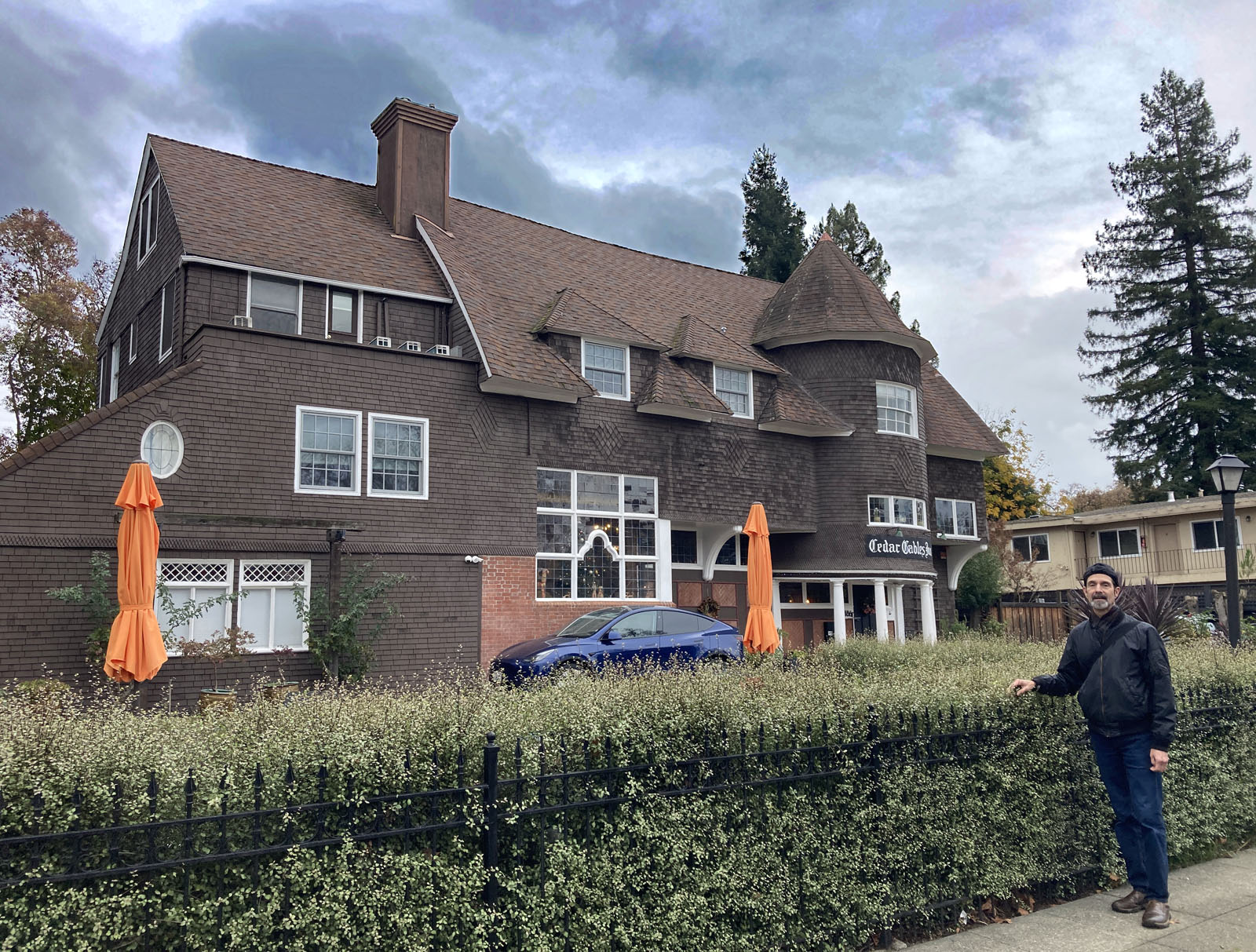
After years of admiring the Greenleaf House in Alameda, and months of studying it and its architect Ernest Coxhead for this series of articles in the Alameda Post, it was a real thrill to pull into Napa on a sunny December afternoon and drive down Coombs Street, named after Nathan Coombs, a California pioneer who founded the city of Napa in 1847. As we looked for 486 Coombs Street, I eagerly scanned the historic neighborhood for the first sign of the prominent tower of the building, its most commanding feature. And then, there it was. Like meeting a long-lost relative at a family reunion, I suddenly recognized the sister of the Greenleaf House on our right, in all its glory. Like a fraternal twin, it didn’t look exactly like its sibling, but it was definitely a twin.
Déjà vu
Entering the colonnaded portico and ringing the doorbell of the Cedar Gables Inn gave me a sense of déjà vu, for it was only a month earlier that I had visited the Greenleaf House in Alameda, and been given a tour by Girls, Inc. CEO Jennifer Pigza (see Part 4). Entering the Cedar Gables Inn and being greeted by manager Nicole Boyle, I felt that I already knew the layout of this place. And yet it had some intriguing differences.
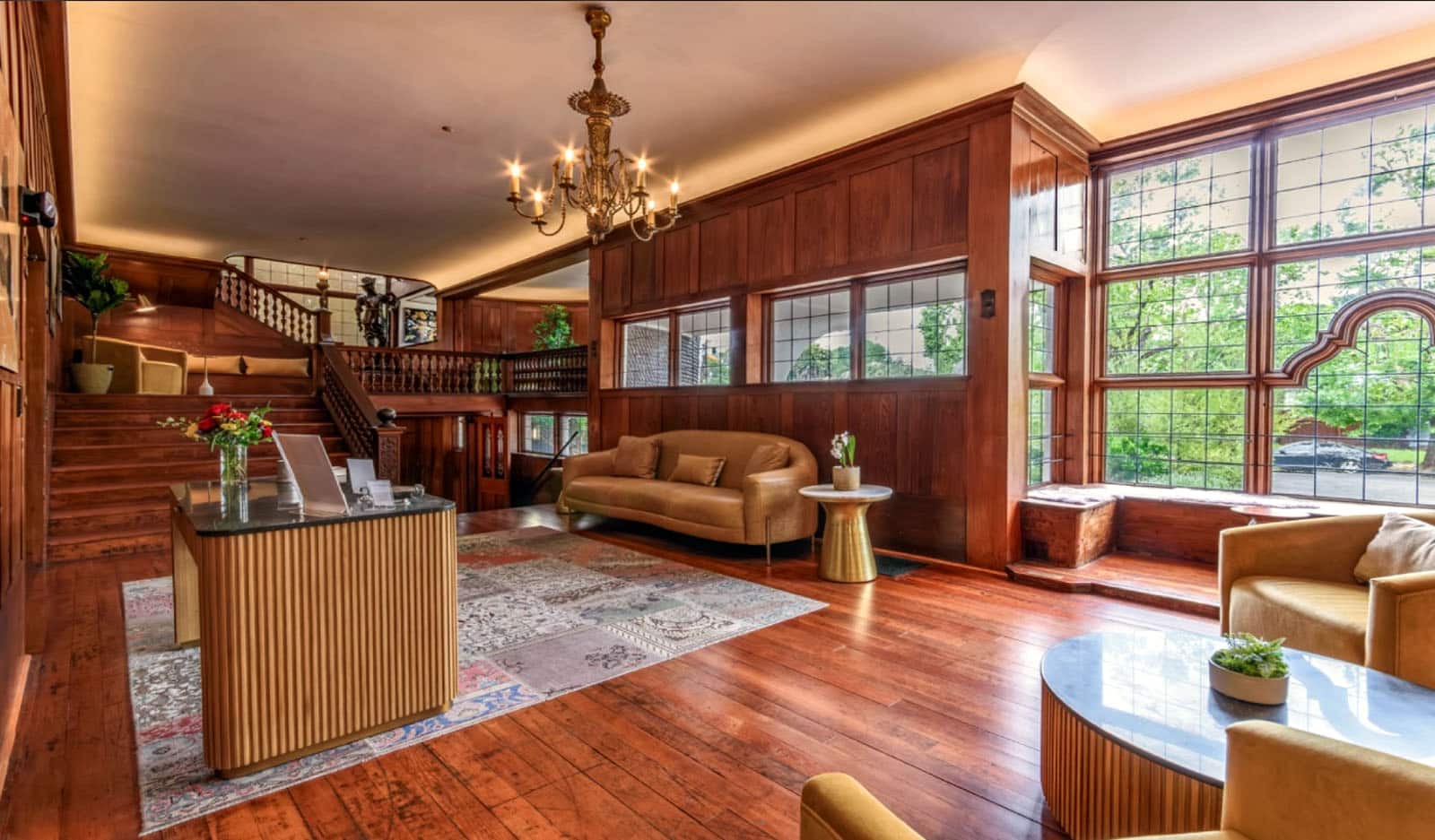
Entering a grand home like this at ground level, instead of via front steps, is unusual for a Victorian-era building. The genius of Coxhead’s design is that the redwood-paneled vestibule acts as a transitional space before ascending a short staircase up to the living room. In this vestibule/anteroom, one could hang up their coat, put down their keys, and perhaps proceed through a door straight ahead, where a small washroom could be used to freshen up, and a trunk room could be accessed to put away luggage. Servants could also proceed directly to the kitchen or to the servant’s staircases from here. Coming back into the vestibule, one can then proceed up a half-level staircase to the main room.
Related Articles
 Today’s Alameda Treasure – 1724 Santa Clara Avenue, The Greenleaf House, Part 4
 Today’s Alameda Treasure – 1724 Santa Clara Avenue, The Greenleaf House, Part 3
 Today’s Alameda Treasure – 1724 Santa Clara Avenue, The Greenleaf House, Part 2
 Today’s Alameda Treasure – 1724 Santa Clara Avenue, the Greenleaf House, Part 1
Ahead of its time
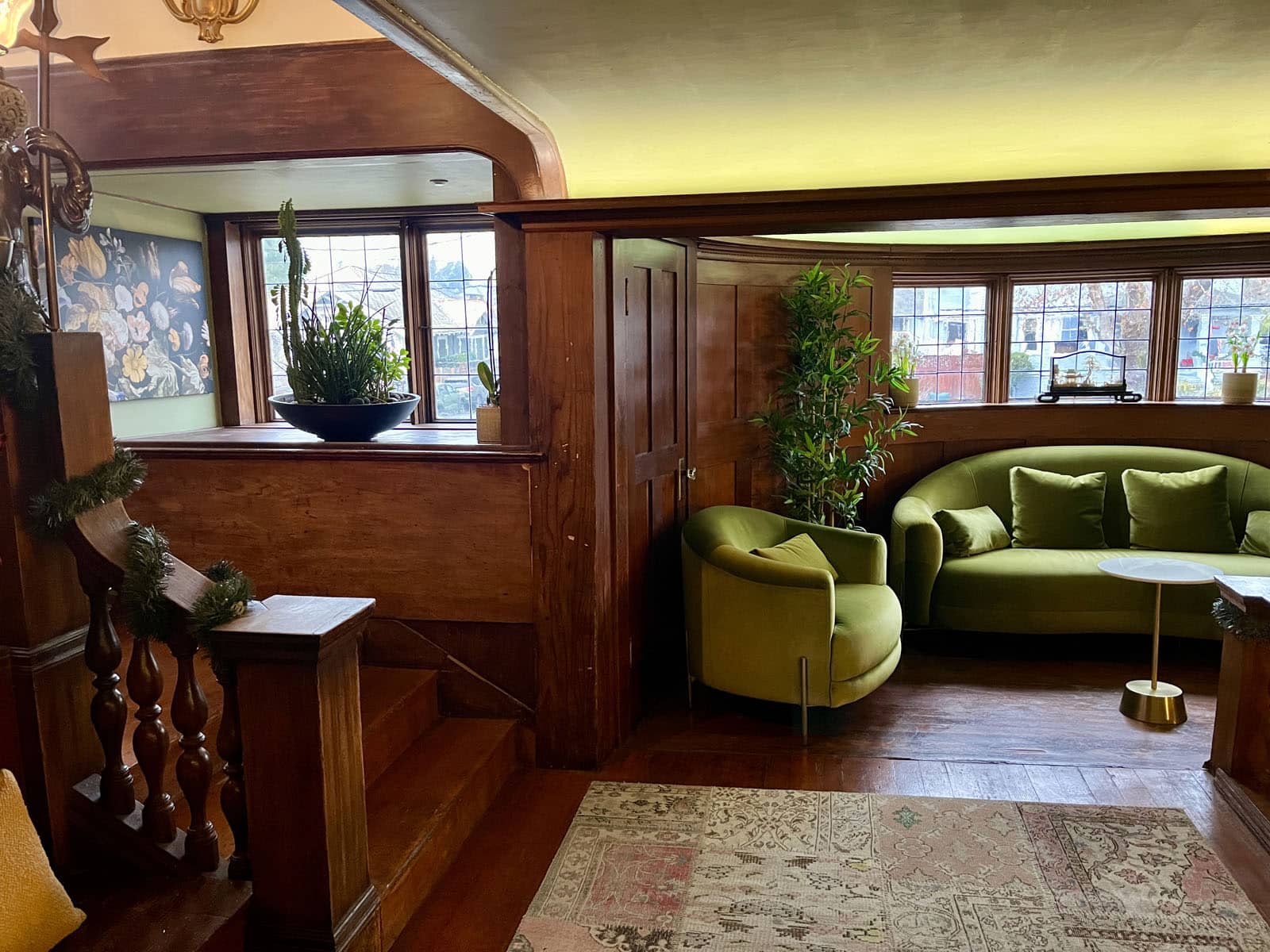
Gazing at the redwood-paneled grandeur of the main room of the Cedar Gables Inn, I was struck by the realization that this building is all about “levels.” Its open and inviting feeling was created by Coxhead’s use of multiple half-levels to create a feeling of “flow” from one area to the next. After coming up a half-level from the vestibule, one notices that they can remain in this comfortable living room, or climb up one more half-level to a mezzanine, where a built-in bench awaits at the top, along with a cozy sitting room to the right. That semi-circular sitting room is actually inside the tower we had just admired from the outside. From this mezzanine level, there is yet another flight of stairs to climb, this one leading to the upstairs bedrooms. All in all, counting the basement, this home has five levels—basement, ground level entry, main level, mezzanine, and upstairs bedrooms.
Architectural historian and professor Richard Longstreth once said of this design, “The building’s plan, in which a single multi-function two-level space extends the length of the main elevation, is its most remarkable design feature. Partitions define but do not fully enclose the dining room, demonstrating the architect’s pioneering facility with open plan interiors. The sophistication of this plan would seldom be matched until Frank Lloyd Wright’s Prairie Houses after the turn of the century.”
A private tour
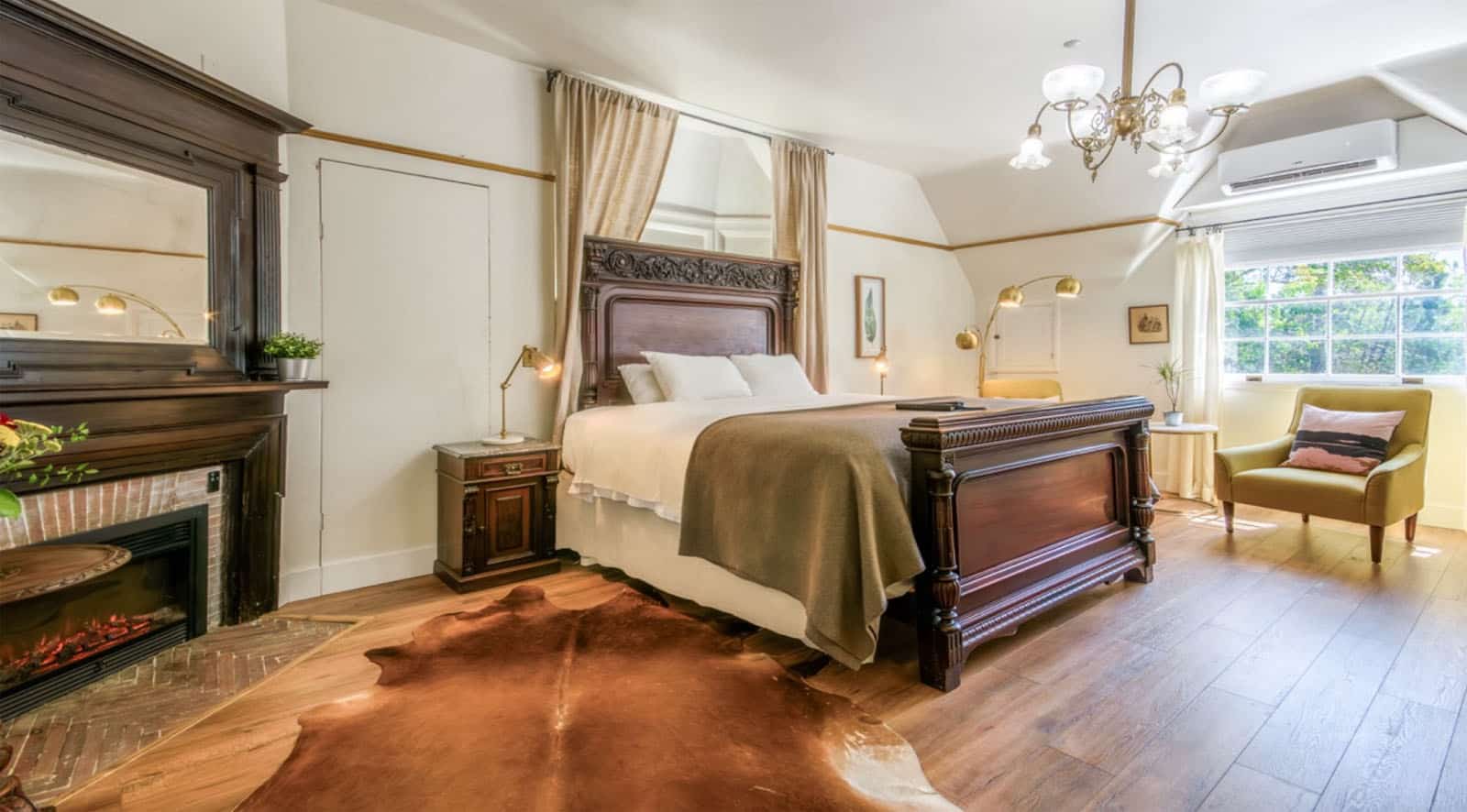
After we checked into our very large lower-level room in the section of the building expanded in 1905 and once used as a tavern, manager Nicole offered us a tour of the rest of the inn. The rooms were completely unoccupied on this Thursday afternoon, so we were able to see every nook and cranny of this fascinating old inn, complete with narrow, winding staircases, original fireplaces and furnishings, and “no-two-rooms-alike” charm. Some rooms were small, some were large, some had interesting angles and slopes from the gables above, some had luxurious soaking tubs, and all had at least some kind of view into the historic neighborhood outside.
Afterwards, Nicole gave us some advice on local sightseeing, including neighborhood walks, hikes, and places to eat, before leaving for the night. She’d be back in the morning to have coffee ready by 8 a.m. Breakfast would normally be served at 8:30 and 9:15 seatings. Since there were no other guests in any of the other 10 rooms on this night, we had the whole place to ourselves, which was a special treat. Plenty of time for a historian like me to fully inspect, photograph and appreciate this historic property – at least the publicly available areas.
Greenleaf House vs. Cedar Gables Inn
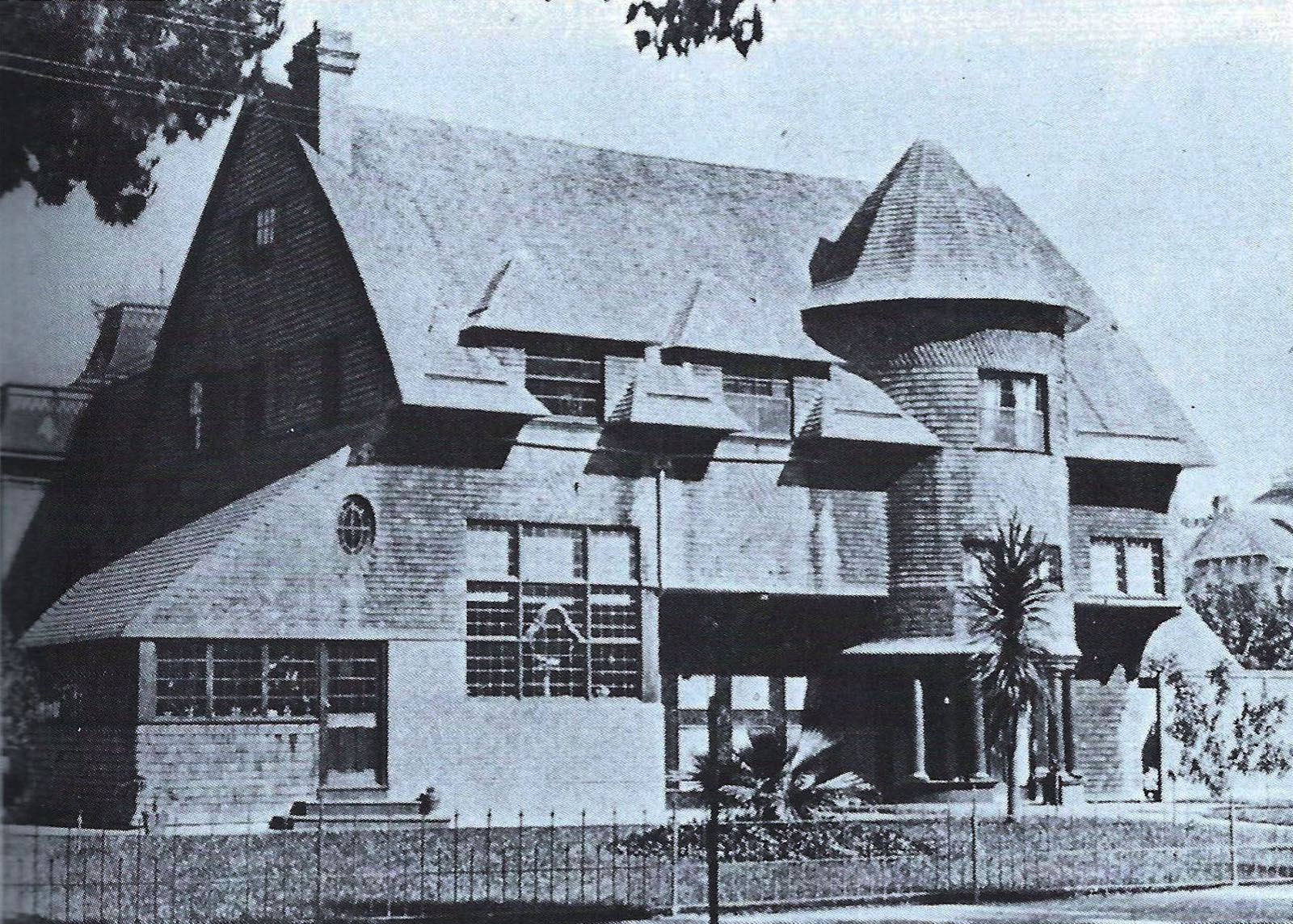
While these two Ernest Coxhead-designed homes were built during the same time period, 1891-1892, using the same design, there are differences between the two properties, both in their original design and later alterations. Looking at the buildings from the front, one can see the same basic form, but with some noticeable differences. The distinctive tower and colonnaded entry is a common element, but the different placement of windows in the tower hints at a different design inside. The Greenleaf House uses the tower as a spiral staircase to the upper level, with a large leaded-glass window lighting this space along with the hall above, while the Cedar Gables Inn divides the tower into two levels inside, with one being a mezzanine-level sitting room, and the other comprising an upper-floor bedroom.
Another major difference is the roof, which in the case of the Greenleaf House is more of a steep-sided hip roof, while the Cedar Gables Inn has true gables at each end. Looking to the left of the front entry, one can see similarities in the leaded glass windows, brackets, brickwork, and diamond-patterned shingle work. A difference here is how the living room windows extend higher up on the Cedar Gables Inn as compared to the Greenleaf House. And while the Cedar Gables Inn now has a large addition on its north (left) side, it originally had a smaller, enclosed porch-like room there, more akin to what the Greenleaf House has now. In their original forms, before changes and additions, these two homes were much more alike than they are today, even with some differences right from the start, likely stemming from suggestions from the architect and requests by the original homeowners.
Entering the open-plan living rooms space, one of the main differences noted here is the smooth coved ceiling of the Cedar Gables Inn, which is in contrast to the Elizabethan-style ceiling of the Greenleaf House, with its wood moldings, plaster-cast flowers, and letter “G” motifs (for Greenleaf). Each ceiling is different and beautiful in its own way. Another difference inside is at the mezzanine level, where a cozy sitting room occupies the tower that in the Greenleaf House is a grand spiral staircase. Instead, the Cedar Gables Inn utilizes an attractive three-level staircase to the upper level, complete with a newel post featuring a built-in antique lamp, and full wall of leaded-glass windows to light the way up. Once again, neither design difference is “better,” but each is unique and beautiful in its own way. This is why an experience of this very special Ernest Coxhead design is not complete without experiencing both of these homes, built during the peak creative period of the architect’s career.
Although used for different purposes now, the room layout on the main level of the Cedar Gables House is quite similar to that of the Greenleaf House. The living room, dining room, kitchen, study, and sun porch are all in basically the same form in both houses. The differences are found in the fact that a large addition has been made to the north end of the Cedar Gables Inn, along with more bedrooms added to the upper level. The Greenleaf House is still in its original form of four upstairs bedrooms (plus a maid’s room), while the Cedar Gables Inn has been expanded to a total of 11 guest rooms, plus an owner’s suite (added to the south end of the house) and a manager’s bedroom.
Napa Abajo Historic District
One of the wonderful aspects of a stay at the Cedar Gables Inn is its location in a historic neighborhood, eminently walkable and filled with noteworthy old homes of great beauty and charm. The City of Napa describes the neighborhood this way: “The Napa Abajo Neighborhood is bounded on the west by Franklin Street and South Jefferson Street, on the south by West Imola Avenue, on the east by the Napa River, and on the north by Division Street. It was originally settled in the mid-1800s just before the City’s incorporation. It has always been primarily a residential neighborhood, with many examples of period architecture. It is part of the National Register of Historic Places and has many homes that are on the Registry. It is known for its wide, tree lined streets and its multicultural makeup.”
According to a 1997 document from the National Register of Historic Places, this district contains 604 buildings constructed during the past 160+ years. Of the 362 residential buildings facing streets, 249 contribute to the historic character of the district. That number may be higher today, thanks to preservation efforts over the years since the district was listed in the Registry. It was a wonderful way to spend a sunny afternoon in December, as Edie and I first walked west to Fuller Park, then north into downtown Napa, then finally east, crossing the Napa River and visiting the CIA–Copia (Culinary Institute of America at Copia). After an Italian dinner near the Oxbow section of the Napa River, we took the riverfront walk back to the Cedar Gables Inn, by the light of holiday lights sparkling on the water.
We’ll be back
Friday morning dawned with gray skies and rain on the way. After a good night’s sleep in the very quiet Cedar Gables Inn, we arose to find fresh brewed coffee and orange juice set up by the dining room, and a bright and energetic Nicole ready to serve us breakfast. The meal started with their signature Swiss-style muesli—a delicious blend reminiscent of overnight oats, served with fresh seasonal fruit. That course was about all I would normally eat for breakfast, but there was still another course coming. The inn’s website describes multiple breakfast options: “Sweet Options: Fluffy pancakes topped with fresh strawberries and bananas or French toast adorned with fresh strawberries and bananas (These options alternate daily). Savory Options: Our rotating savory selections may include Omelets, Avocado toast, Eggs Florentine, Huevos Rancheros.” I had the avocado toast with a fried egg on top and salsa on the side, while Edie had the pancakes.
Thus fortified, we said our goodbyes to the Cedar Gables Inn, took some last-minute photos, and headed off on a rainy day hike in Alston Park, a nearby city park featuring 157 acres of open space spread out over hills and forests, adjacent to the vineyards of northwest Napa. As we drove out of town later in the day, I was already missing the Cedar Gables Inn, and imagining what room we’d stay in the next time. After all, there are still 10 more rooms we haven’t yet stayed in.
The ever-expanding story
This look into Ernest Coxhead’s two architectural masterpieces—one in Alameda, the other in Napa—started out as a look at just one house. But as is the case with so many of these stories, once you start digging into it, new information starts coming to light and the story expands, sometimes to more distant locales. Over the course of these five installments, we’ve seen how a quality building can grow with the times and perform different functions over its lifetime. Both of these buildings started out as single-family homes, and retained that role for decades until changing times created different uses for these buildings. The fact that their design still works so well to this day—in one case as the home of Girls, Inc. and in the other as a historic inn—is a testament to the timeless design of Ernest Coxhead, who created buildings that not only were functional and beautiful in their time, but also far into the future. And that is probably the greatest compliment that can be paid to an architect. Coxhead would be proud to know that the buildings he created in the 1890s are still as useful and well-loved now as they were 134 years ago. I’m so glad that in researching this story I learned about this sister-house in Napa. The story and experience wouldn’t have been complete without learning about both of these Coxhead creations, and how their histories unfolded to make them what they are today.
For more information or to book a room, visit the Cedar Gables Inn website. Some information for this article is from the history binder of the Cedar Gables Inn. Special thanks to manager Nicole Boyle for further information and a house tour. Thanks to the Churchill Manor for a tour of their property, along with a historical handout and photos. For more information, visit the Churchill Manor website.
Contributing writer Steve Gorman has been a resident of Alameda since 2000, when he fell in love with the history and architecture of this unique town. Contact him via [email protected]. His writing is collected at AlamedaPost.com/Steve-Gorman.
