Every year, on a given day in December, an attempt is made to identify and count every bird in the overall Oakland area. This is part of a citizen science project that began 126 years ago in 1900. There are now close to 2,800 count areas in the western hemisphere. The Oakland circle joined the count in 1941. The data collected is studied by ornithologists who try to understand bird population trends; what species are thriving, which are declining, and which are moving to different ranges as their habitats and the climate change.
The local count area is a circle 15 miles in diameter centered in the Oakland Hills and divided into smaller areas to be covered by teams of approximately 10 people each, who spend the day counting every bird they can find. Two of these areas are in the City of Alameda, including both the main island and Bay Farm Island. This year the main island team was led by Doug Henderson, and the Bay Farm team was led by Rusty Scalf.
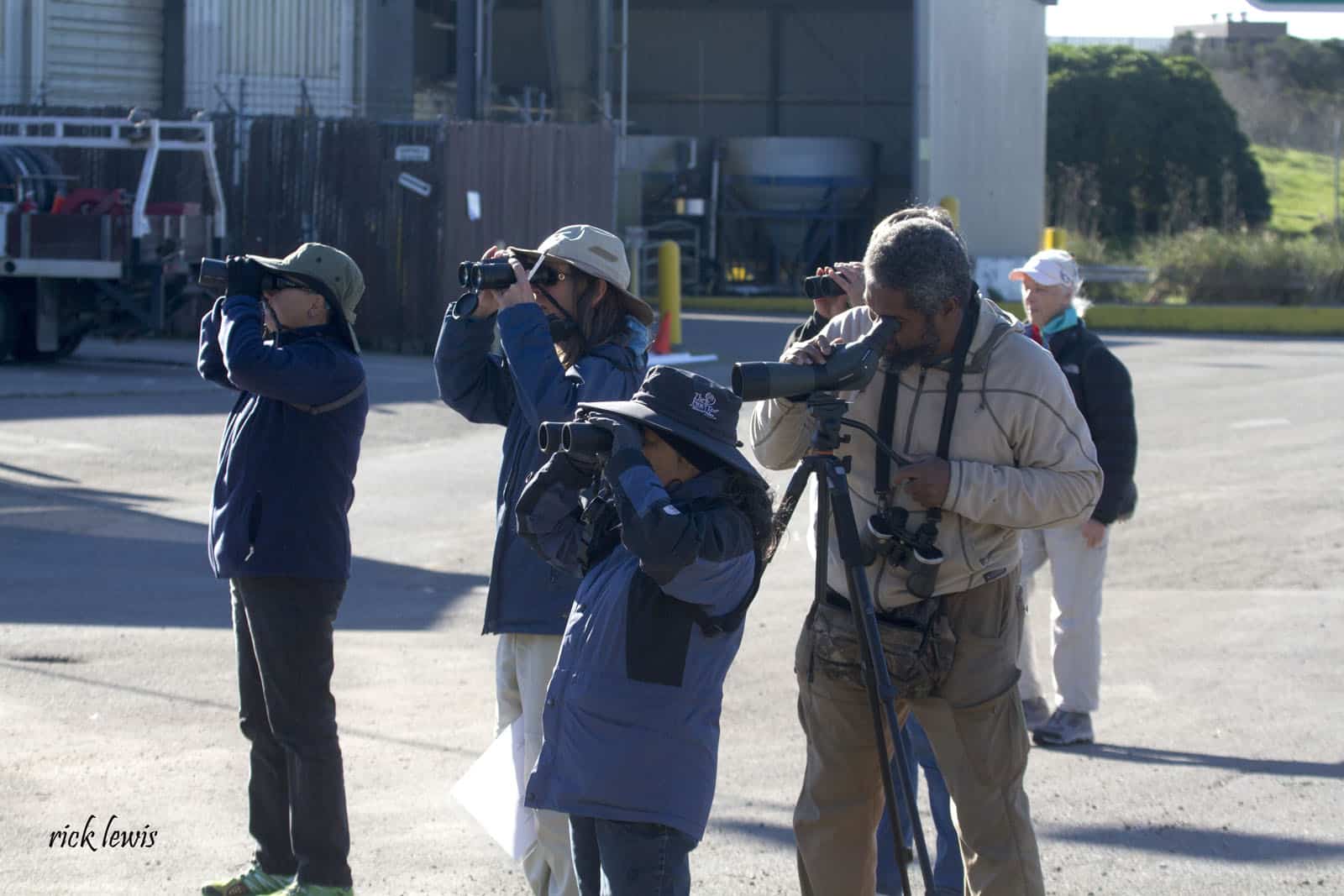
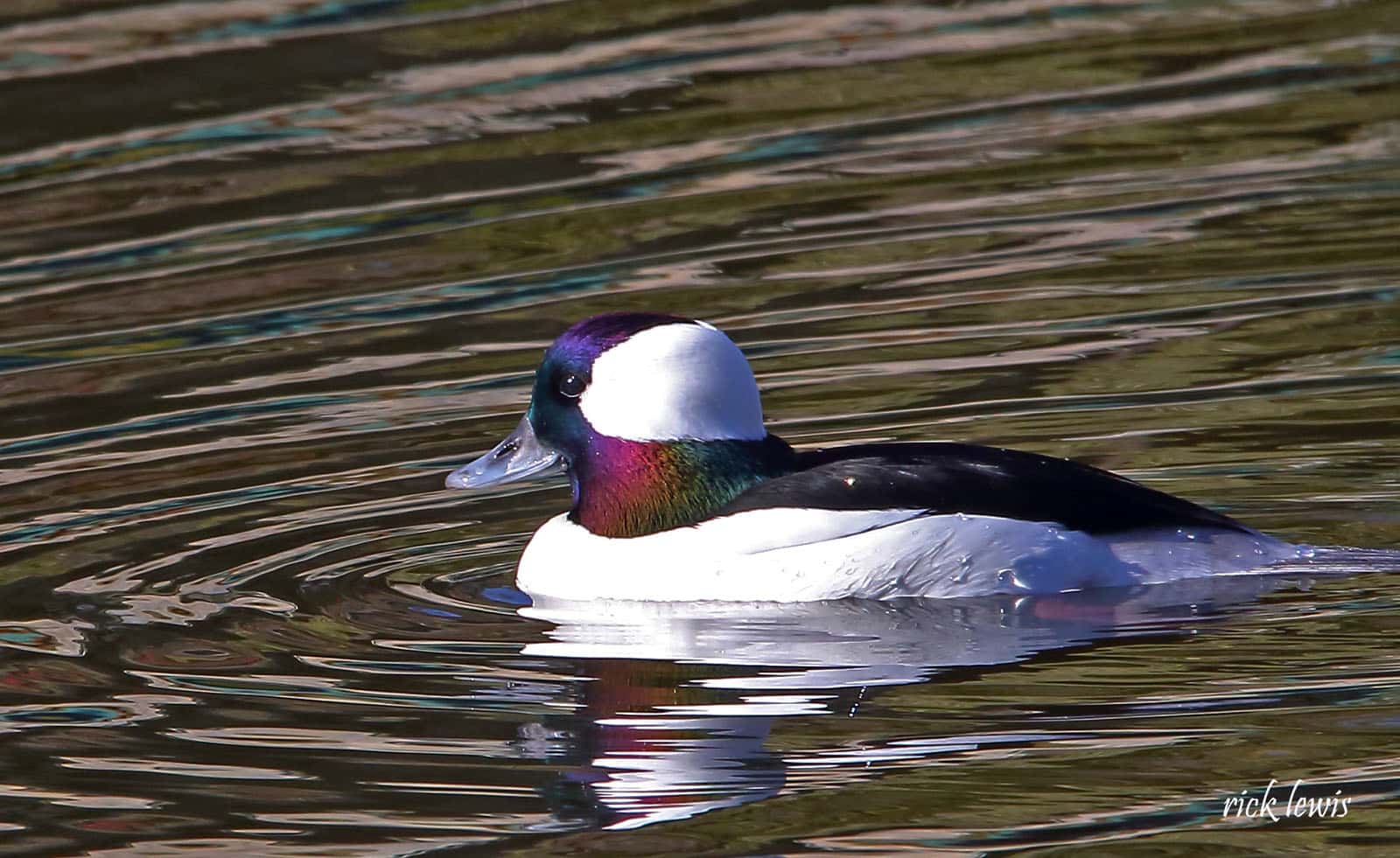
The main island team had 17 counters this year, who divided into six groups with the intent to cover as much of the island as possible and turn up every possible bird. By surveying 37 different locations throughout the island, we were able to find and identify 9,329 birds of 110 species plus one hybrid. Being surrounded by water, it is not surprising that the species with the largest numbers are water birds and shorebirds. The most numerous bird—1,591 counted—was the bufflehead, a small black-and-white diving duck that spends the winter here. About 900 of them were in a single flock on Ballena Bay.
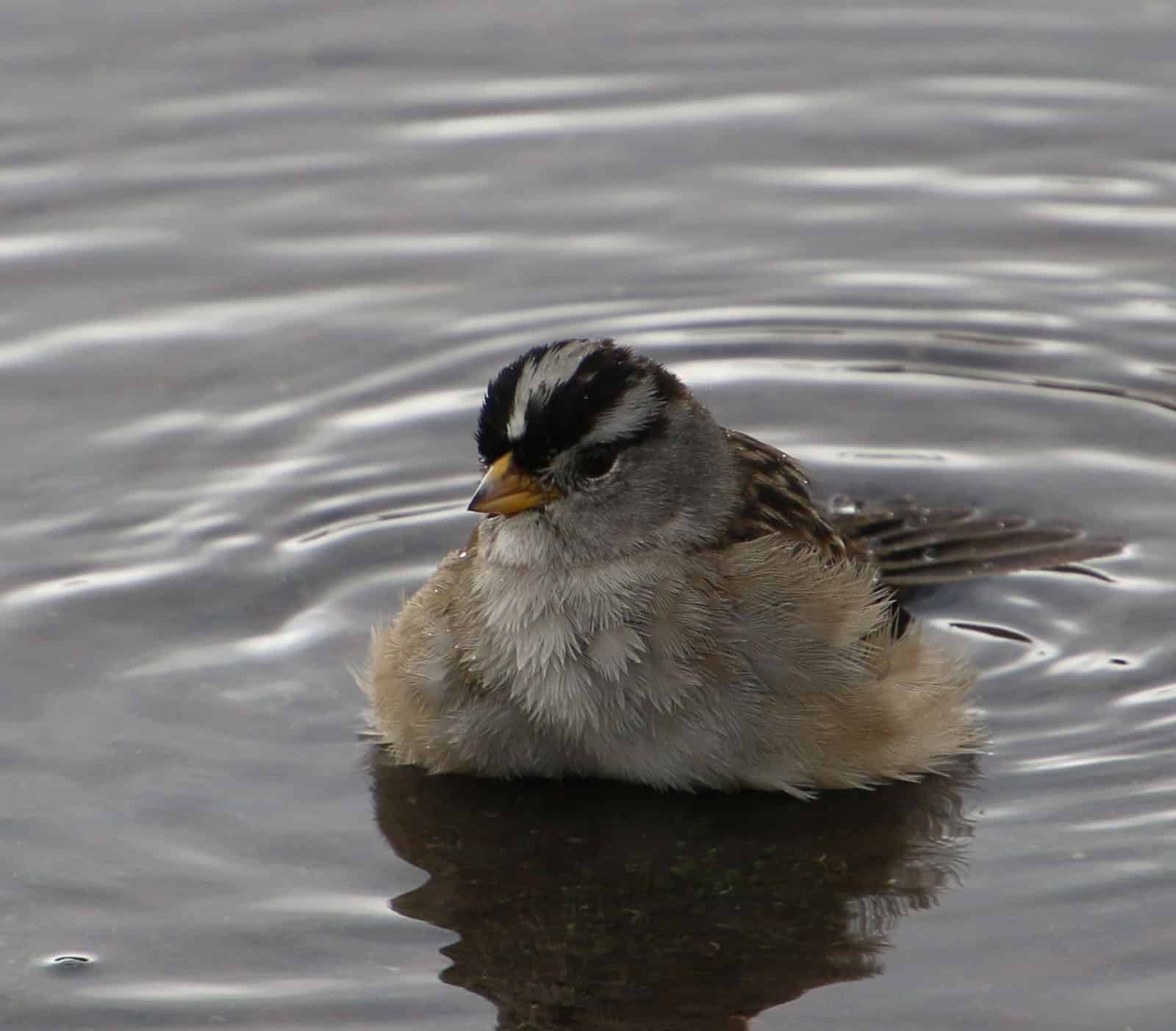
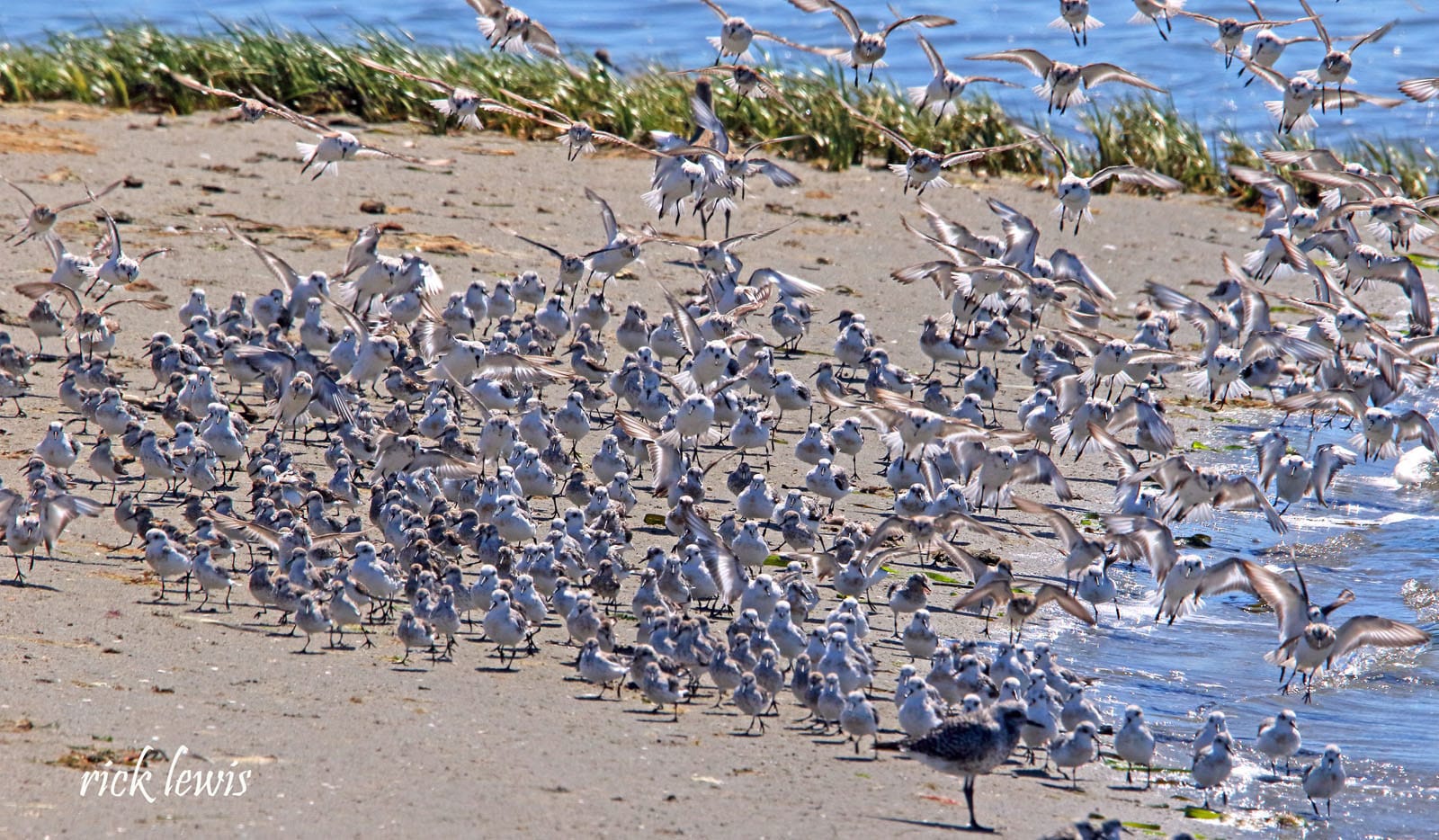
The second highest number of a single species was the western sandpiper with 1,274. This is a small brown shorebird which also spends the winter here and migrates north to its Arctic breeding grounds in spring. Of the land birds that you might be likely to find in your yard or local parks, the white-crowned sparrow was the most common with 406.
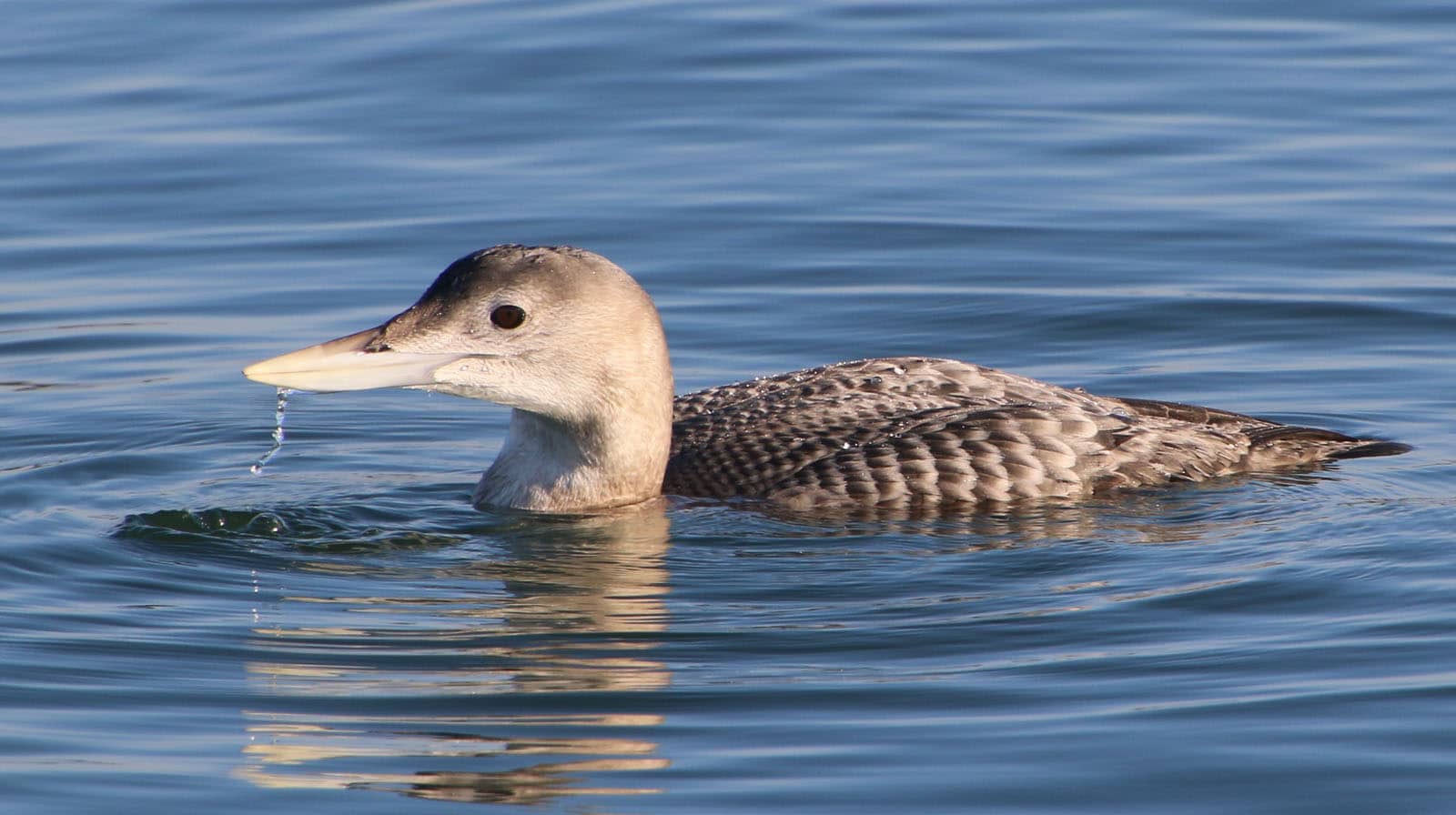
Although the purpose of the bird count is to survey all birds, we are always on the lookout for rarities. This year our rarest bird was a yellow-billed loon found at Crab Cove, where it was busy diving for crabs along the shore. This was only the second record of the species in California for 2025. It is the largest and rarest species of loon; it breeds in the Arctic and typically winters along the coast of British Columbia.
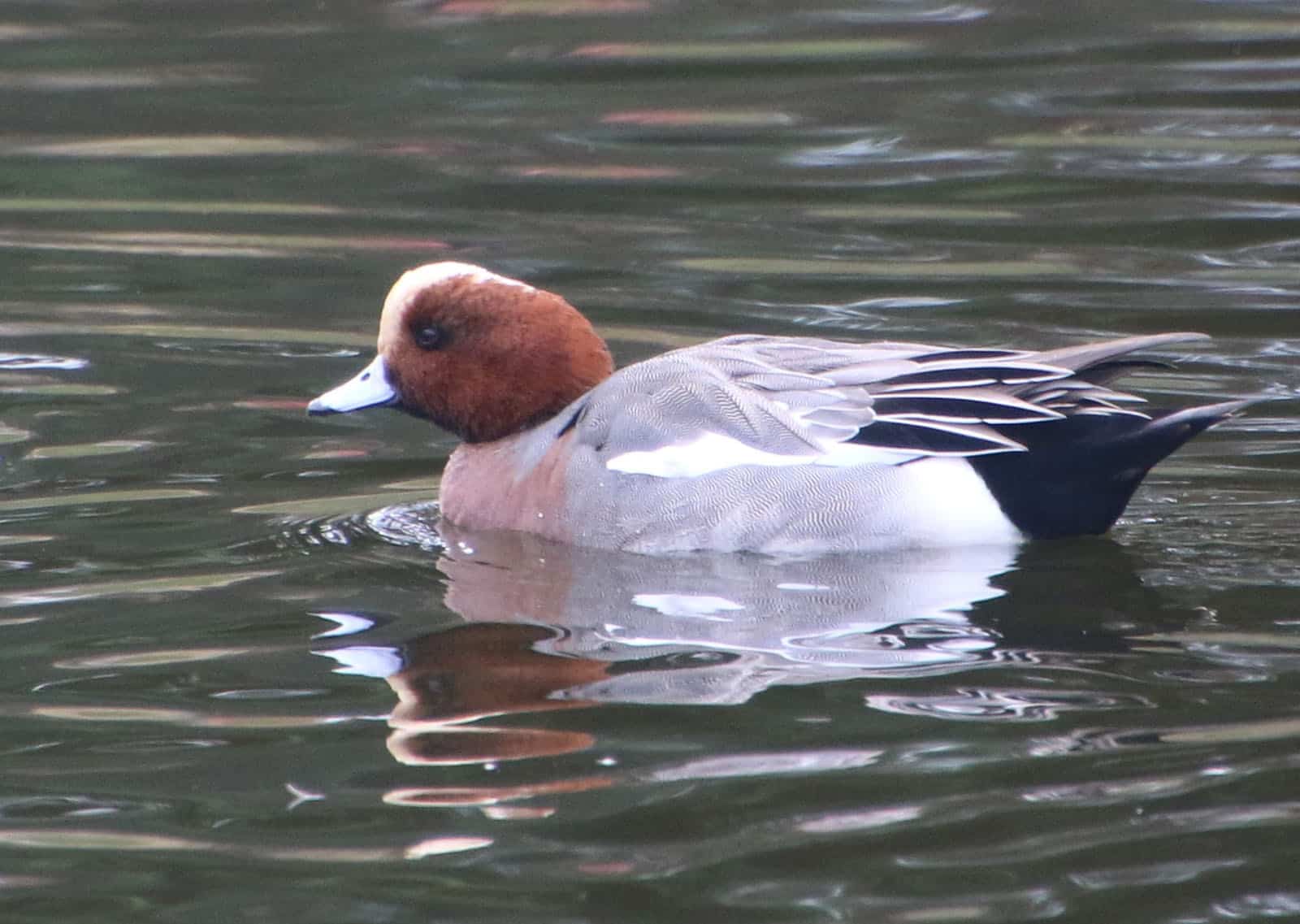
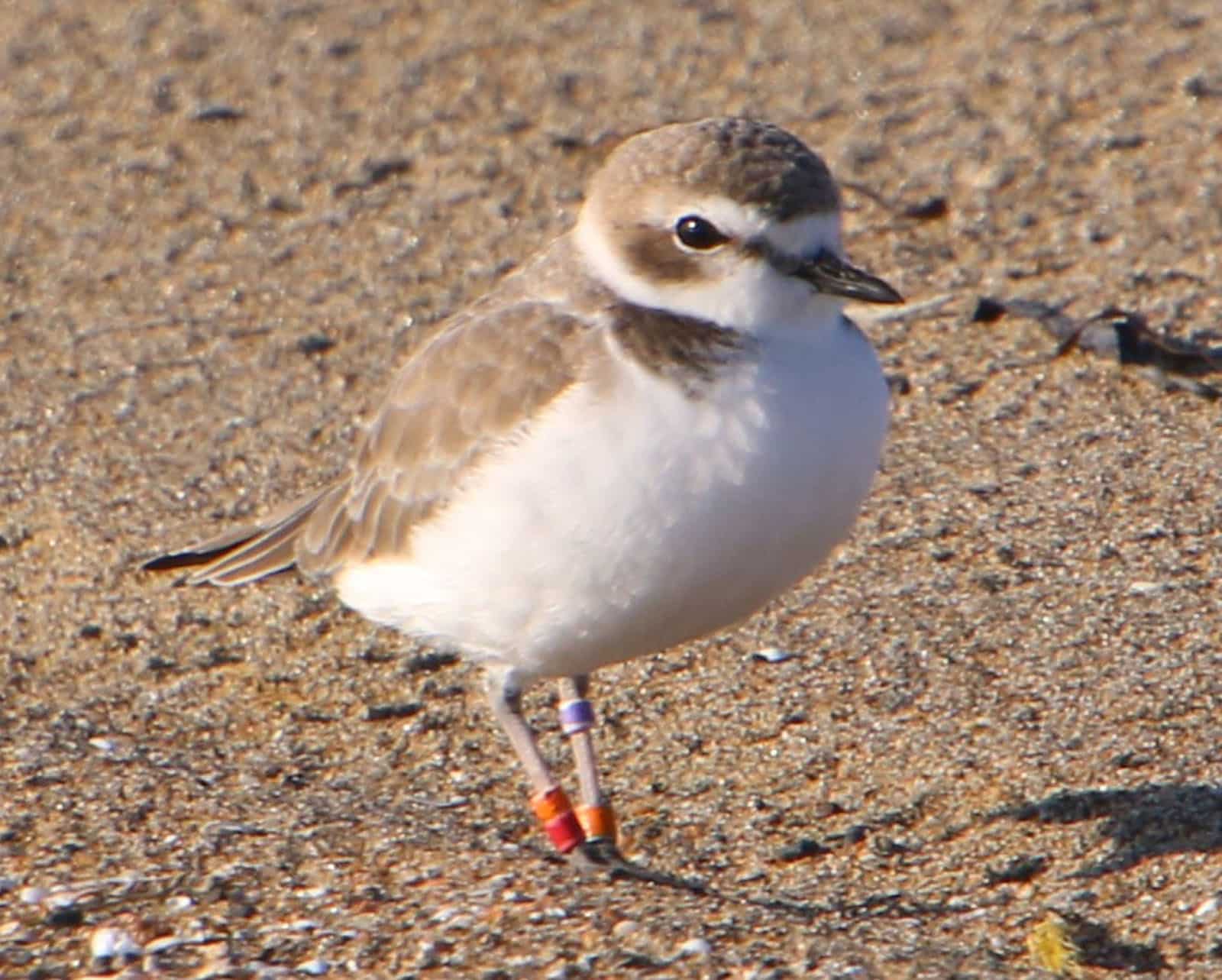
Another good find this year was a Eurasian wigeon, an Asian species which is a rare but regular visitor here, usually found with the more common American wigeon. The snowy plover is an endangered species that we usually find on Alameda Beach. This year we were able to locate 13 of them.
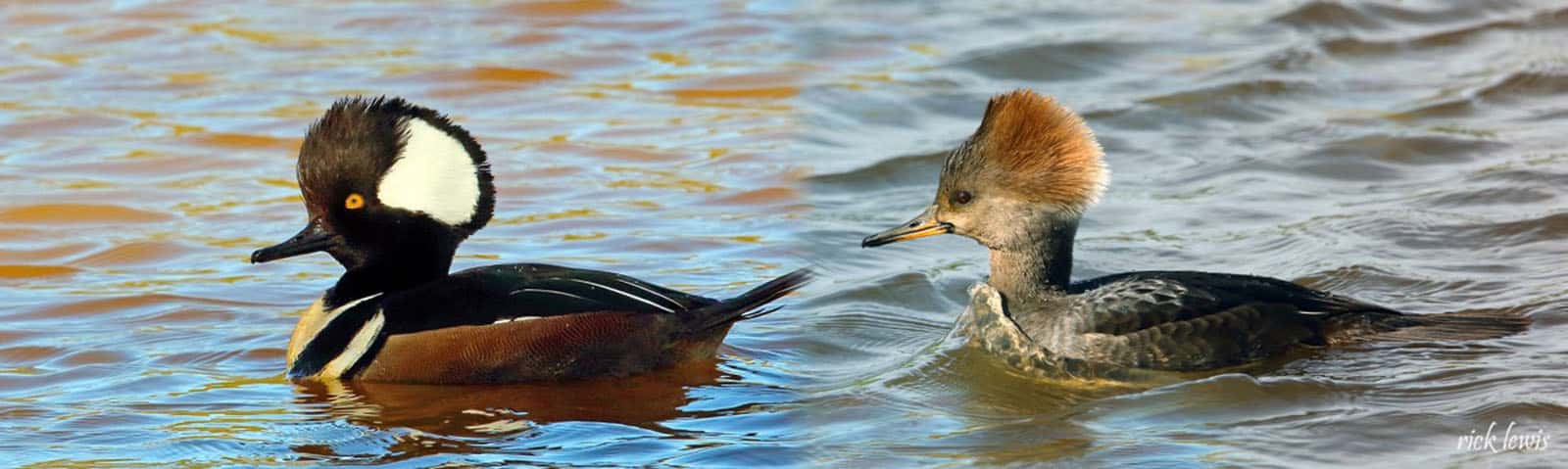
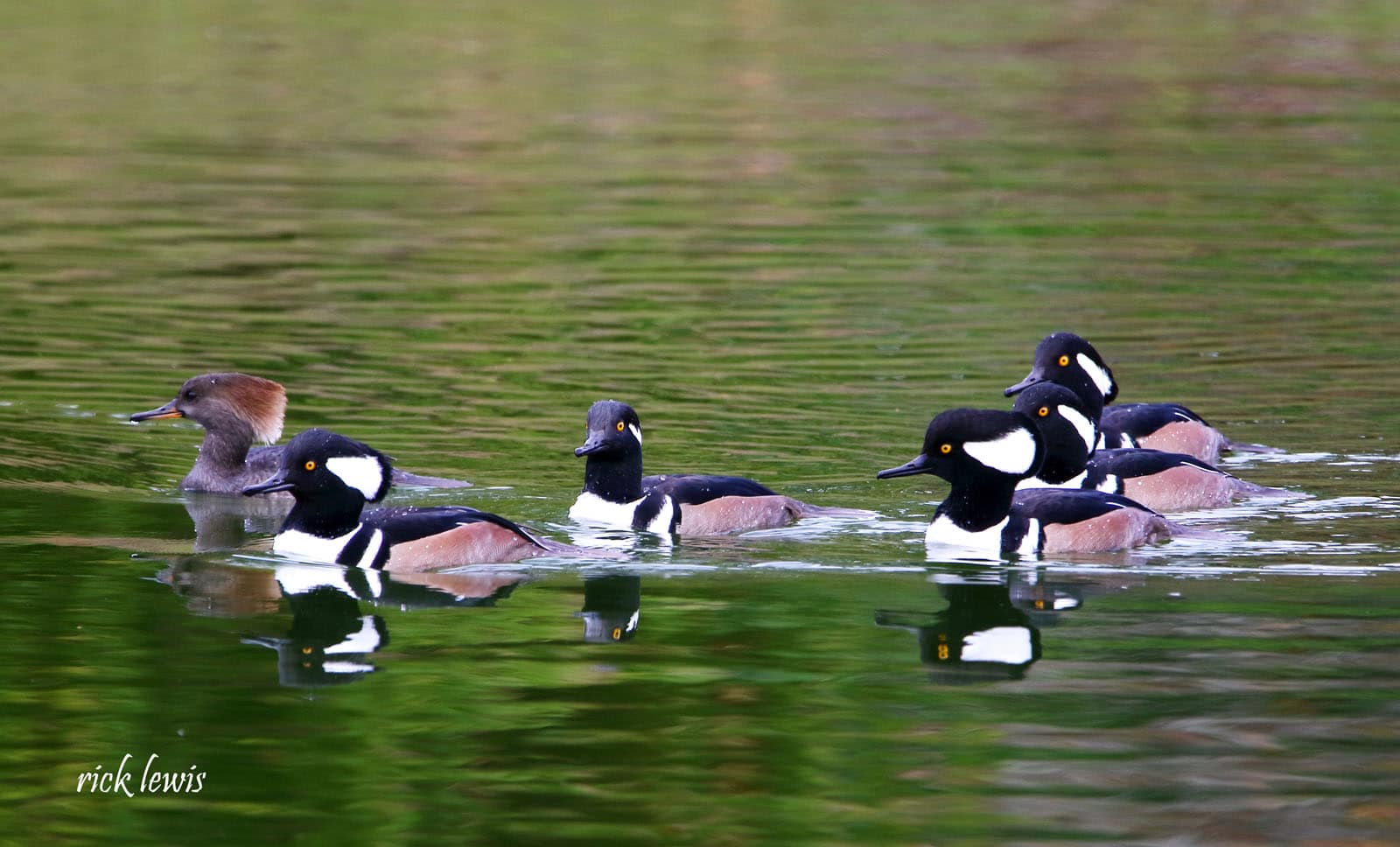
The Bay Farm Island parties found a remarkable 33 hooded mergansers, quite a high number for this uncommon—and uncommonly beautiful—little diving duck. The Corica golf course continues to recover from its complete redesign and in some ways is better than ever for birds, especially wetland birds. Both Virginia rail and sora were found among the cattails that now line the drainages.
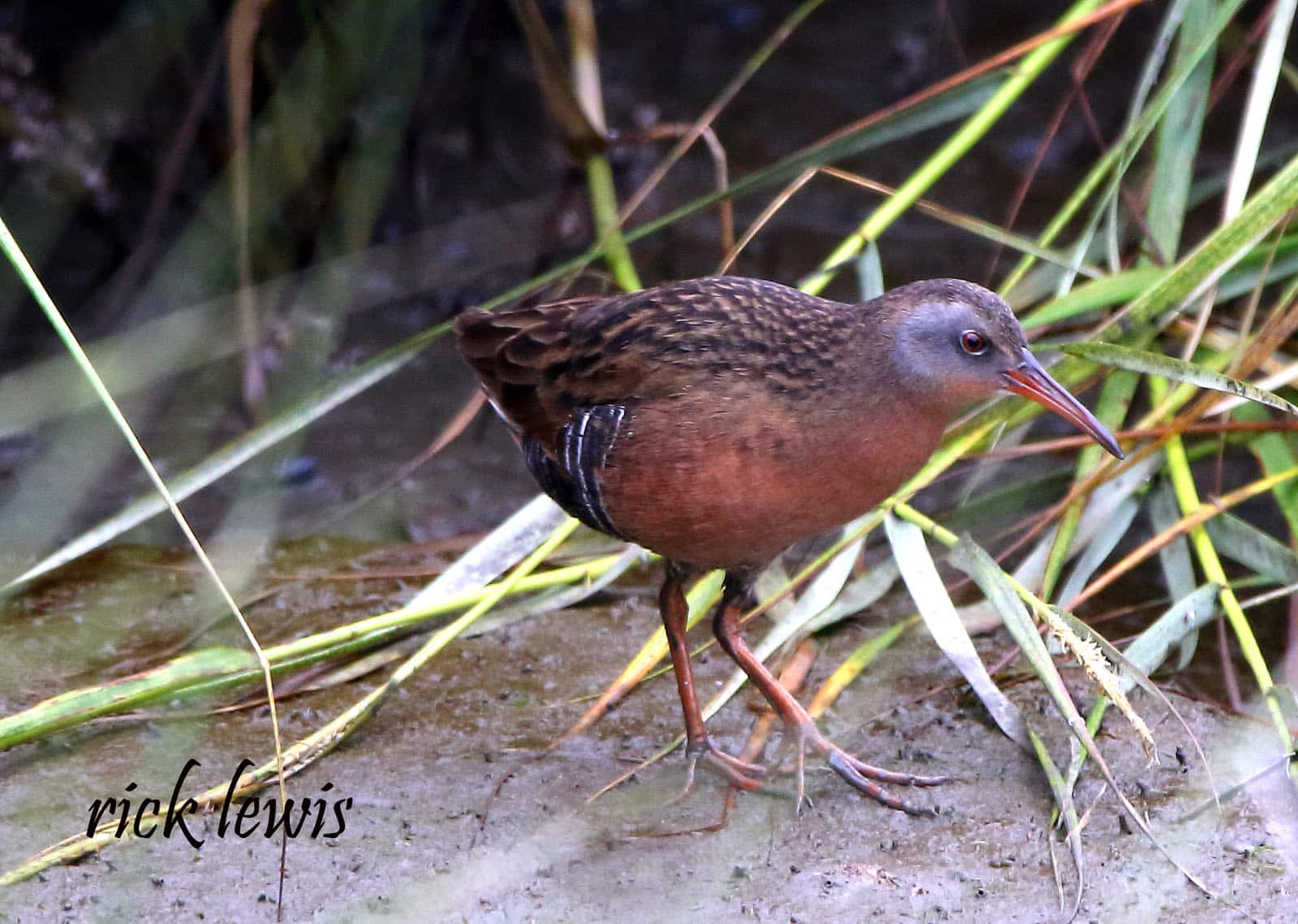
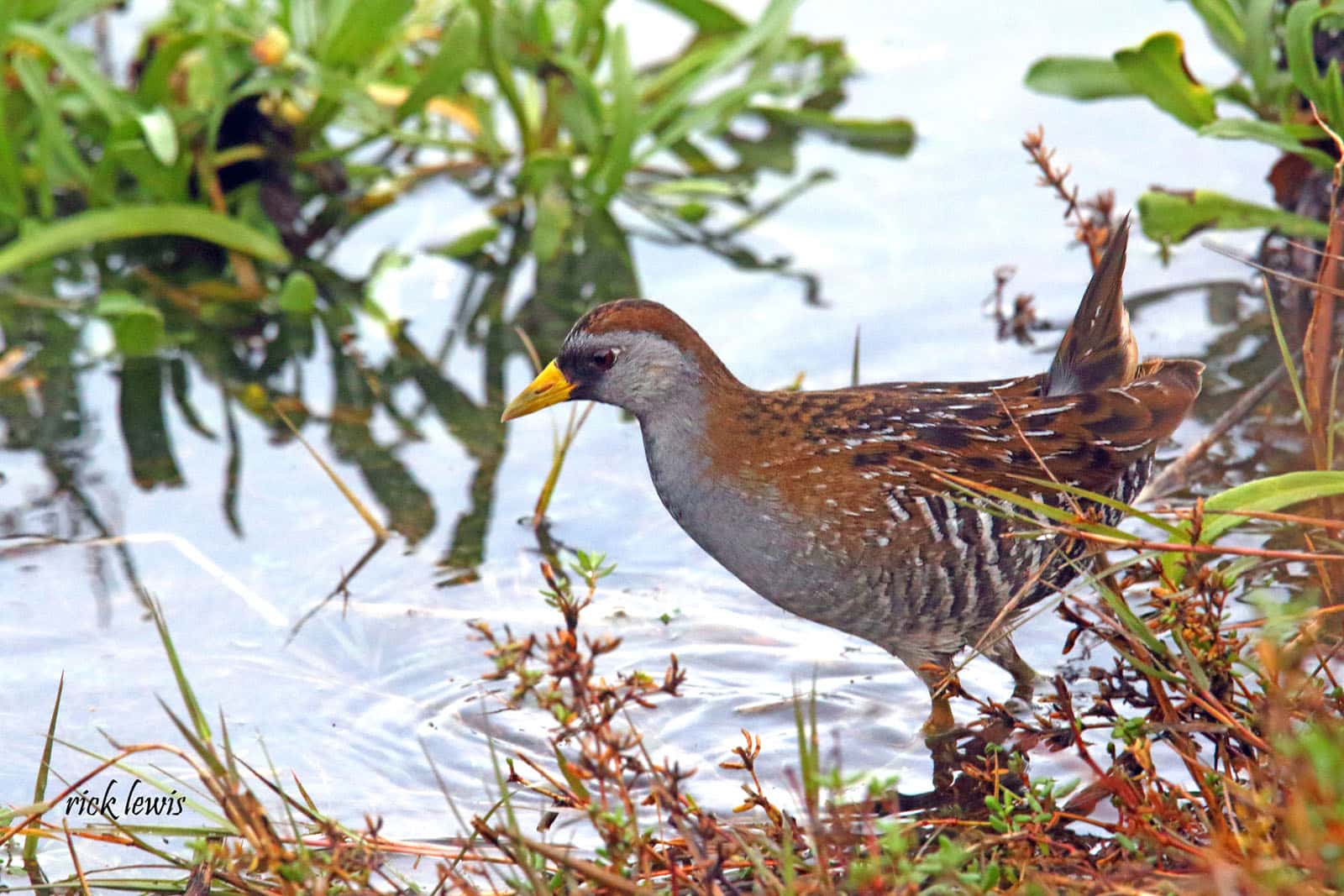
A morning king tide caused one party to reverse its coverage from counter-clockwise to clockwise in the hike along the Alameda Estuary and Bay Farm canals. The result was a good number and diversity of shorebirds (sandpipers and plovers) along the estuary shoreline.
Doug Henderson has been birding Alameda and the surrounding area for many years and is a member of the Golden Gate Bird Alliance.
Rusty Scalf began birding in High School in the 1960s. He is a member of Golden Gate Bird Alliance and participates each year in several different bird counts.
This article is part of a series written by Friends of the Alameda Wildlife Reserve (FAWR) members, FAWR is a Conservation Committee of Golden Gate Bird Alliance. To find out more about birds and GGBA’s free guided trips visit Golden Gate Bird Alliance.
